How to Train Your Cat to Be a Therapy Cat: 5 Vet-Reviewed Tips


In this article
It’s no state secret that cats make us feel good. Why else would we keep them and watch hours and hours of funny videos of them online? Their soft fur, relaxing purrs, and hilarious antics put us in a good mood, no matter how rough of a day we’re having. And yet, there’s something about your cat that’s special. That’s why you want to share them with the world, and you might even think they’ve got what it takes to be a therapy cat. But how do you start to train them? In this post, we explore cat therapy and how you can start training your cat today.

What Is a Therapy Cat?
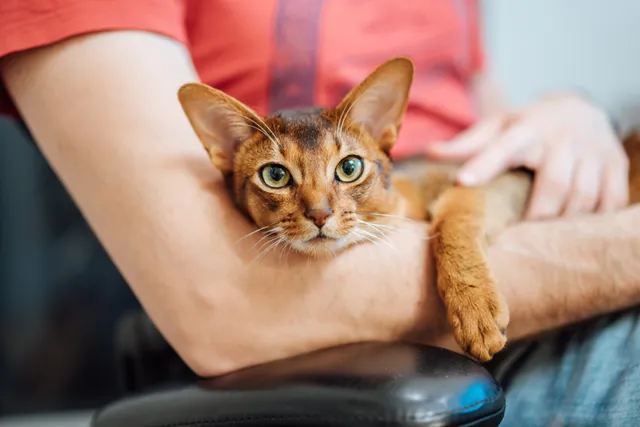
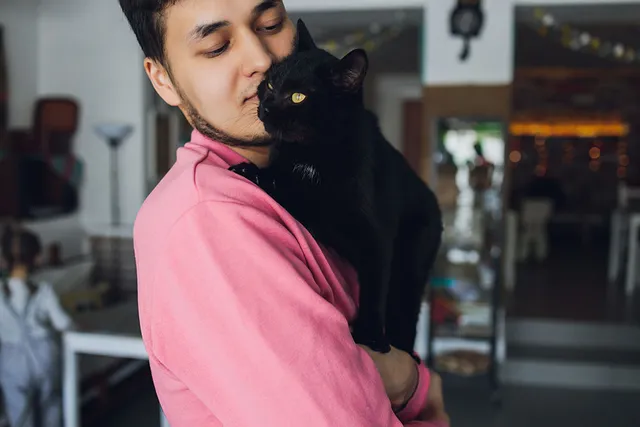
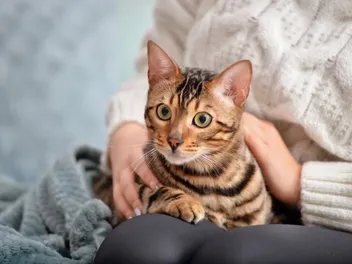
A therapy cat is a pet that visits hospitals, retirement homes, nursing homes, schools, and anywhere else they could be of use. These cats are well-trained pets who help people with health and emotional struggles. Their sole purpose is to make people feel good.
The primary difference between a therapy cat and a regular pet is temperament. Therapy cats must be well-trained and socialized to handle various situations and people. They also must be loving and happy to snuggle with people to release those “feel good” endorphins, and therefore not nervous or shy.
How Therapy Cats Help People
People who struggle with health and emotional issues are often depressed, stressed, anxious, or isolated. But when animals are brought into the picture, a lot changes.
Therapy cats can be great conversation starters and encourage people to socialize when they normally wouldn’t want to or struggle to communicate verbally. Pets can help improve moods, decrease blood pressure, and even improve heart health 1. And let’s face it: Being in a hospital bed or a retirement home can get boring. Therapy cats provide much-needed entertainment for those dreary days. But therapy cats can do so much more. They go as far as helping people with Alzheimer's and dementia with confidence and helping children with autism stay calm in high-stimulus situations. People struggling with motor skills often benefit from petting a cat. The list can go on about how therapy pets benefit those in need. The question is, how do you and your cat get started?

How to Know if Your Cat Is the Right Fit
Temperament and health are the most important aspects of therapy cats.
The ideal therapy cat is friendly, gentle, and patient with all kinds of people, including children. They like being petted and are fine with being held clumsily. They’re never skittish either. Instead, they welcome all kinds of adventures and strangers into their lives.
If this is your cat, you’re way ahead of the game. But don’t worry if your cat doesn’t check all of these boxes, as some cats can be trained. Still, cat therapy isn’t for all cats. Some cats simply do not like to be held or petted, especially by strangers, and many felines just don’t feel comfortable around a lot of people. Other cats are too unwell to participate and some cats may lash out when they don’t feel safe. However, if you feel your cat is the right cat for the job, then keep reading. We have homework for you.

How to Train Your Cat to Be a Therapy Cat
1. Start With Basic House Training and Socializing
This is where you should start if your cat is a kitten or teenager. Make sure your cat is well-trained in using the litter box and is settled into their new home, which usually takes a minimum of 4 weeks but could be longer.
This not only ensures your cat is settled into a solid routine, but it gives you both time to get comfortable with each other.

2. Try Extracurricular Training
Remember extracurricular activities in school? Cats have them, too. Most therapy pet programs require the use of a harness and leash so getting your cat comfortable with these at home is an excellent start. Only once they are comfortable with them in your home should you start to venture outside. Making sure your cat is happy with grooming and nail clipping is also important.
Regular reward based training sessions will increase your bond with your cat and build trust. If you learn and understand your cat’s body language, it will help you gauge when they are happy and not stressed. Many therapy pet owners also like to clicker train and teach their cat to follow basic commands which can help when they go into unfamiliar environments.
3. Train in Different Environments
It’s one thing to know your cat in their own environment, but it’s another to see your cat react to people and children in a completely different building. Therapy cats need to be comfortable in a variety of scenarios and responsive to their owners at all times without any stress or aggression. It’s wise to practice training in other places before you take your cat to volunteer. Traveling in the car and visiting places like pet stores can be a good place to start.

4. Get a Clean Bill of Health
Therapy cats must be fully vaccinated against rabies and have no illnesses that can be passed on from a cat to a human. They can’t be fed a raw diet and have to have no history of aggression under normal circumstances. To get a clean bill of health, visit a vet and professional animal trainer for references.
5. Enroll in a Pet Therapy Program
You’ve trained, you’ve practiced, and you’ve received the OK from the doctor. Now it’s time to reach out to a pet therapy program! Some of the most popular are Windwalker Humane Coalition and Pet Partners. Both volunteer programs have high standards of practice in animal-assisted therapy and are actually in need of more cat therapy teams. Organizations will need to establish that you and your cat meet their requirements, and there may be further training to be done. A pet therapy program will help you find places to visit locally and may provide liability insurance coverage should something go awry during a visit. You can also build comradery with other volunteers and pet lovers just like you.

Conclusion
Medicine heals the body, but therapy cats heal the soul. Who doesn’t want to share that philosophy with the world?
As long as your cat is the right fit, training them to become a therapy cat isn’t as challenging as it seems. With the help of a pet therapy program and a little bit of patience, you and your cat will be changing the world in no time.
Sources
https://journal.iaabcfoundation.org/training-cats-to-become-therapy-cats/
https://www.aspca.org/about-us/aspca-policy-and-position-statements/therapy-animals
https://www.nytimes.com/2016/12/15/nyregion/robotic-therapy-cats-dementia.html
https://newsinhealth.nih.gov/2018/02/power-pets https://www.autismparentingmagazine.com/cats-help-children-with-autism/
https://www.alzheimers.org.uk/blog/can-caring-for-a-pet-help-a-person-with-dementia
https://www.cats.org.uk/mitcham/adopt-a-cat/new-adopters-frequently-asked-questions
Featured Image Credit: Nitiphonphat, Shutterstock
Expert cat care, straight to your inbox
News, insights, and useful advice, delivered to you.

No spam — unsubscribe anytime.
By signing up, you agree to our Terms & Conditions and Privacy & Cookies Policy.
How useful was this post?
Click a star to rate. You can leave written feedback afterwards. (We read all feedback.)
Cassidy's journey from vet tech and professional pet sitter to pet writer showcases her lifelong passion for animals, both domestic and wild. Throughout the years, she has cared for many pets and enjoys writing about the animal-human bond. She and her husband have settled in Wichita, where they live with their German Shepherd, Raven, two cats, Lucy and Strudel, and a small flock of backyard chickens.