6 Interesting Facts About Cats' Testicles & Vet Approved Neutering Advice


In this article
Companion animals are commonly neutered, so it's easy to forget that when male cats are born, they come into the world with all the equipment needed for successful reproductive lives, including testicles. Feline reproduction is a complex and wildly interesting subject, so keep reading to learn more about a tiny part of it. Below, we'll shed some light on six interesting facts about cat testicles.

The 6 Facts About Cats' Testicles
1. Cats' Testicles Generally Come in Pairs
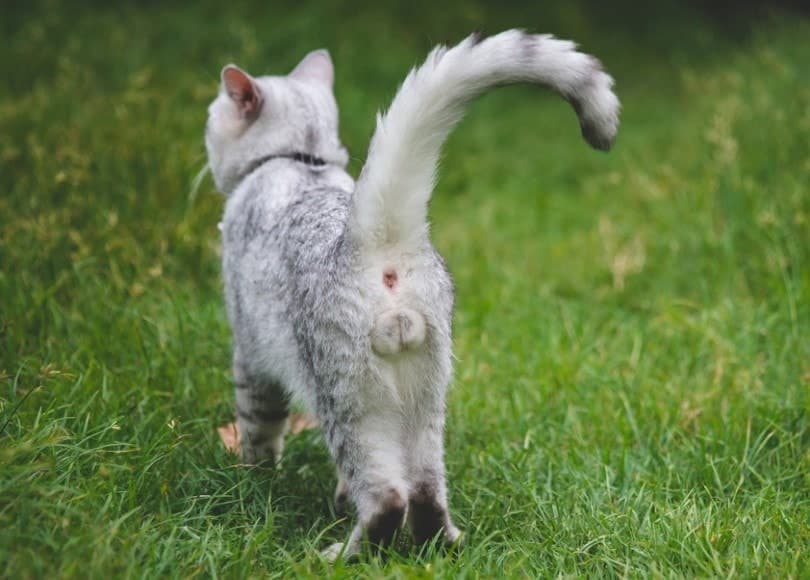
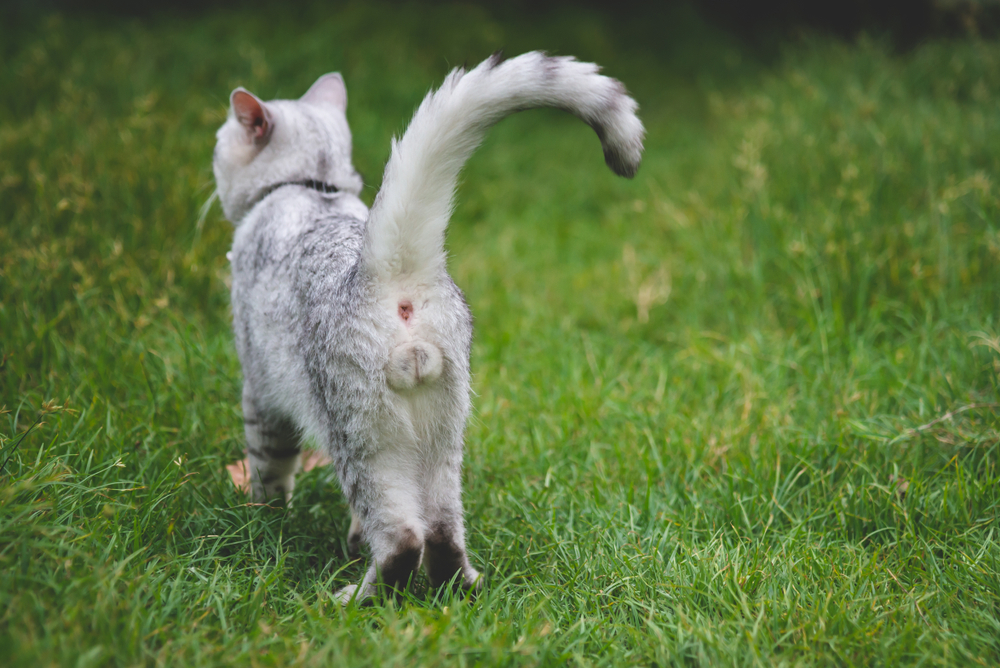
Male cats have two testicles, which are located in the scrotum just below the anus. They are visible when a cat’s tail is lifted. Normal testicles are oval in shape, and as the tom cat matures, the testicles increase in size until about 2-3 years of age, after which their size usually remains the same.
Sperm is formed in the testicles and then travels to the epididymis (a long coiled tube attached to the testicle) to mature and it is stored here. The epididymis is connected to the ductus deferens which carries ejaculated sperm to the urethra.
Unlike in most other species the scrotum is covered in hair. Below the scrotum is the penis inside the prepuce.

2. Cats' Testicles Are Removed During Neutering
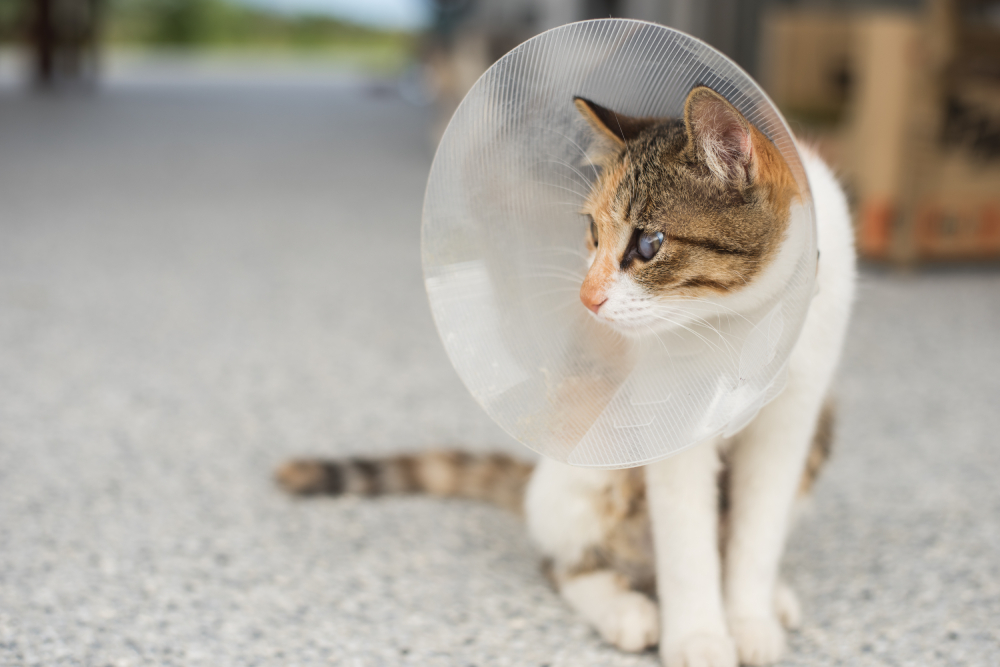
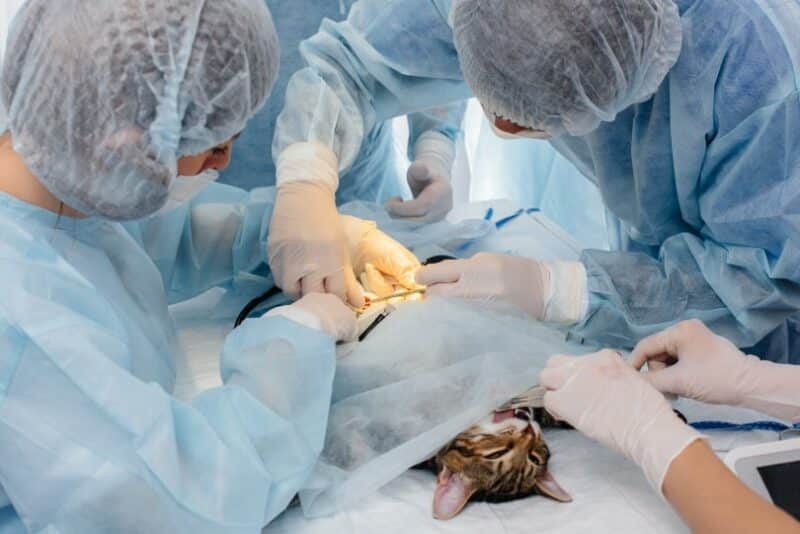
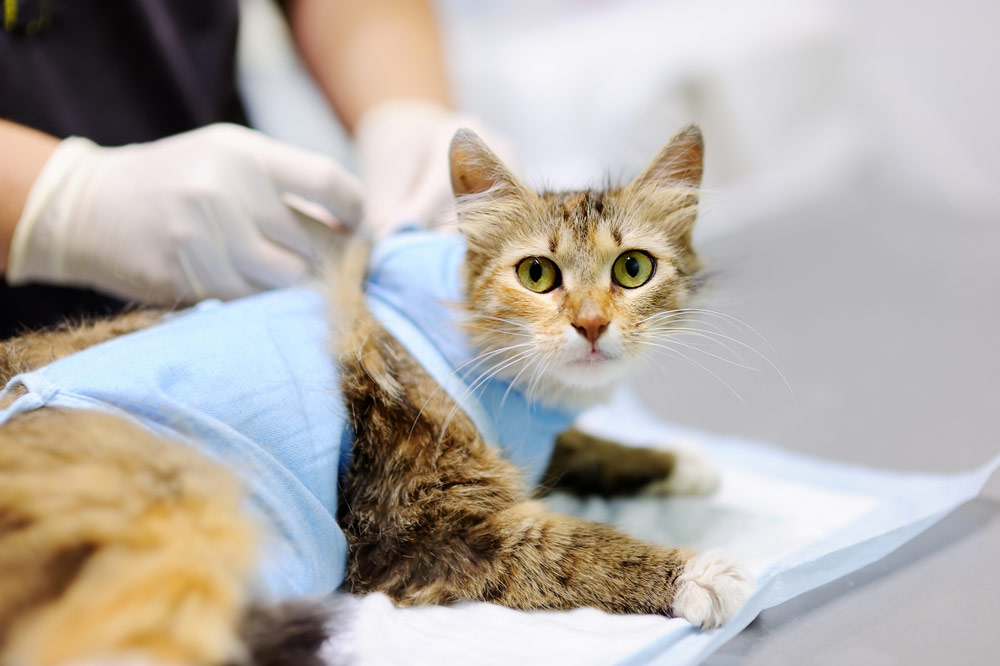
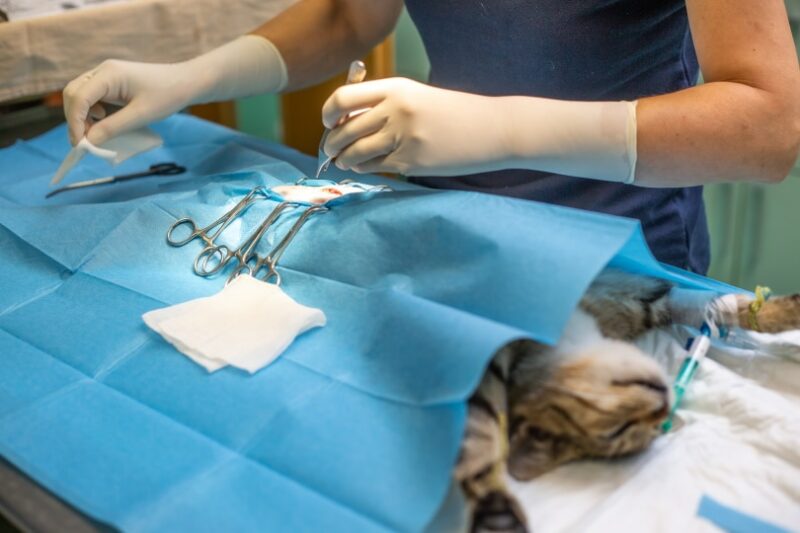
When male cats are neutered, both testicles are removed under general anesthetic through small incisions in the scrotum. This is a short procedure with it generally taking around 10 minutes. Recovery is usually quick as well, cats are usually drowsy for a few hours after the surgery but are often pretty lively by the following day! Follow the vet’s advice in the postoperative period but try to keep your cat as rested as possible while they heal and fully recover.
3. Cats' Testicles Can Fail to Descend
Cryptorchidism is when a male cat's testicles don't descend into the scrotal sac. Testicles develop near the kidneys in the abdomen and normally descend into the scrotum by 2 months of age. In some cats this can occur a bit later but rarely after a cat reaches 6 months. A cryptorchid cat can either have one or both testicles retained, they can either be in the abdomen still, in the inguinal canal or inguinal region.
Cryptorchidism is much less common in cats than in dogs affecting less than 2% of cats. The most common breed associated with cryptorchidism is the Persian. The exact cause is not fully understood but is believed to have a hereditary component as it can be seen in families of cats.

4. Cats' Testicles Can Become Inflamed
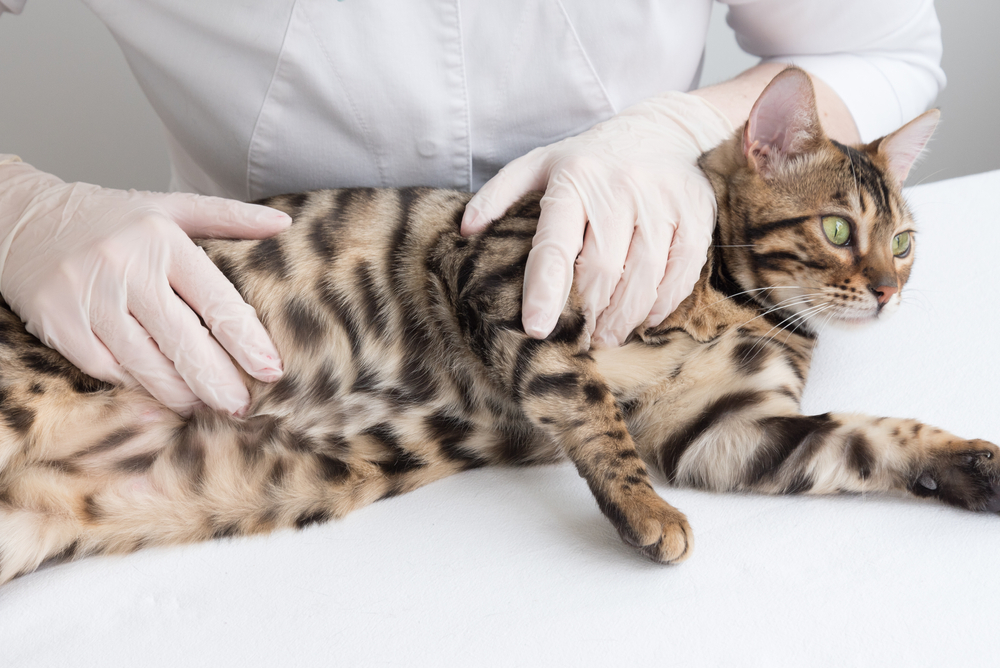
Cats' testes can become painfully inflamed due to infections or trauma. It's technically called orchitis and is fortunately rare in cats. It is most often the result of injuries, wounds or bite wounds to the scrotum and testicles. Signs include scrotal swelling, enlargement of the testicles and pain. If you’re concerned about your pet's health, you should contact a vet.
5. Cat's Testicles Can Develop Tumors
Although rarely reported, cats can develop testicular tumors. Older cats and cats with cryptorchidism are more susceptible. Seminomas, Leydig cell tumors and Sertoli cell tumors have been reported. Usually the sign is the presence of a mass (lump) on the testicle, in some cases this can be accompanied by other signs if the tumor is malignant, or is producing estrogen (which can cause feminization). Treatment is usually surgical removal of the testicles (neutering).

6. Cats' Testicles Can Be Abnormally Small
Cats can be born with small, underdeveloped testes, usually due to congenital conditions, or end up with smaller-than-average ones due to acquired conditions such as infections and disease. Hypoplasia is the term used to describe testes that are smaller than normal and affected cats are usually infertile.

What Are the Advantages of Neutering Cats?
Neutering cats is important to reduce the number of unwanted kittens in the world, but there are other major advantages.
Reduces Roaming and Yowling
Neutered males are less likely to roam away from home looking for females, they tend to be calmer cats.

Reduces Aggression
The lack of testosterone also reduces aggression. It helps prevent injuries due to fighting with other cats and reduces the spread of some infectious diseases.
Prevents Testicular Cancer
As neutering removes the testicles it removes the risk of testicular cancers.
Reduces Marking
Neutered cats are less likely to scent mark, and neutering weakens the smell of their urine.

What Are the Potential Disadvantages of Neutering Cats?
While advantages generally hugely outweigh any possible downsides, there are a few things to be aware of.
Infertility
Neutering is permanent and irreversible, and it ends cats' ability to reproduce, which may be an issue for owners considering breeding their pets.
Surgical Complications
Surgical and anesthetic complications are few and far between but are possible. Cats generally recover from the procedure relatively quickly but postoperative infections around the incision occasionally crop up.

Weight Gain
Neutering reduces energy expenditure and slows metabolism. This means cats can be prone to gaining excess weight, if fed the same amounts as before neutering. It's important to pay attention to how much you feed them and ensure they get enough physical activity to help them stay a healthy weight. Measuring your cat’s food will help prevent overfeeding. There are commercial brands formulated to meet the needs of neutered pets but check with a veterinarian before switching your cat’s food to ensure they're getting the right diet.
Conclusion
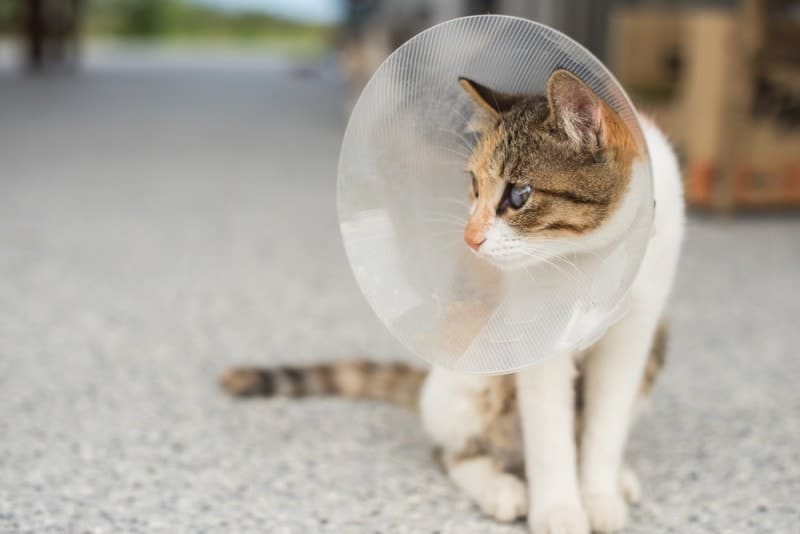
Most companion cats are neutered (and don’t have testicles), but there are many interesting things to learn about this often-forgotten part of cats’ anatomy. Problems such as retained testicles can occur although they are rare in cats.
The benefits of neutering your cat usually far outweighs any drawbacks. Castration reduces sex-hormone-driven behavior such as marking and yowling, and usually puts a lid on activities such as attempting to get out to find reproductive opportunities. It also reduces fights with other cats. Speak to a vet for advice if you have any further questions or concerns relating to your cat’s testicles or neutering.
Sources
https://www.sciencedirect.com/science/article/abs/pii/S0093691X0600183X
https://pubmed.ncbi.nlm.nih.gov/1351479/
https://www.petmd.com/cat/conditions/reproductive/c_ct_testicular_degeneration_hypoplasia
Featured Image Credit: ANURAK PONGPATIMET, Shutterstock

Expert cat care, straight to your inbox
Vet-reviewed advice, behavior tips, and the best of Catster. Free, and you can unsubscribe anytime.
By signing up, you agree to our Terms & Conditions and Privacy & Cookies Policy.
Lorre Luther is a writer who is firmly convinced that cats are smarter than humans. She left her law career in the United States and moved to the Netherlands to follow her dream of becoming a writer. Lorre currently lives in Rotterdam, she enjoys traveling and greatly appreciates the beauty of nature. Lorre has a spot for animals and admires the intelligence of cats.
Join the conversation
Ask a question, share your story, or send private feedback.