How to Take Care of a Cat: Vet-Approved Beginner's Guide



Here are much-needed tips on cats and how you can give a kitty the best life possible. It can be difficult to be sure if you’re ready to take on the responsibility of owning an animal, so let’s get some more information to help your decision with this guide to owning a cat.

Before You Begin: Understand the 5 Pillars of Animal Welfare
To really dig in deep, we’re going to go over the five pillars of animal welfare. These are staples in cat care—non-negotiables, if you will. These freedoms highlight what our cats need to be happy and healthy and all of the care tips provided below fall into one or more of these pillars.
1. Freedom from Hunger and Thirst
No cat should ever be hungry or thirsty. When you have an animal, you have to make sure that they have the appropriate resources to keep them happy and healthy. They should have ready access to fresh water and be fed good quality cat food.
2. Freedom from Discomfort
This means your cat should be provided with an appropriate, comfortable environment to live in, which includes shelter and a comfortable resting area. It is important that cats feel safe and comfortable in their homes.

3. Freedom from Pain, Injury, or Disease
Your cat should never be hurt, especially at the hands of you. It is imperative to always ensure that your cat is well cared for, and never in pain. If they show any signs of pain or illness they need to be taken to the vet as soon as possible for rapid diagnosis and treatment.
4. Freedom to Express Normal Behavior
Your cat should be free to express normal feline behaviors in their own home. For example cats need to be provided with suitable scratching posts, vertical spaces that they can climb on and opportunities for play so they have an outlet for their normal ‘hunting’ behaviors of stalk, pounce and attack!
5. Freedom from Fear and Distress
It is important that your cat’s environment and treatment also avoids any mental suffering. For example if you have a person or dog in the home who doesn't really like cats, or there could be an environment where they might be fearful, it might not be the best decision to get a cat.

How to Take Care of a Cat: A Guide to Owning a Cat
1. Provide an Appropriate Diet
When your cat is young, they will need a high-quality, protein-rich kitten chow explicitly designed for their life stage. Kittens require different levels of protein and certain vitamins and minerals to keep up with the demands of a growing body. Most switch to adult food at 10-12 months of age.
There can be an overwhelming amount of choice when it comes to cat foods and an experienced veterinarian is your best source of advice and information. Make sure that any food you choose is complete and balanced and has been adequately researched. At a minimum it should meet the Association of American Feed Control Officials (AAFCO) guidelines for nutritional adequacy (this will be stated on the food packaging).
For most cats some wet or moist food is ideal as this helps keep them hydrated, many owners offer kibble alongside it. Studies have shown that cats are usually grazers and prefer to eat multiple small meals throughout the day, so if possible measure out their daily ration and give it to them in several small portions throughout the day. Generally cats should not be fed ad lib (free access) as it can encourage overeating and excess weight gain.
2. Provide Fresh Water
Cats in the wild get much of their moisture from the prey that they eat, our domestic cats often need to be encouraged to drink to stay in good health. Ensure your cat has fresh water available to them at all times. Some cats may drink water out of a regular bowl, but others may prefer running water and like a cat water fountain. You may wish to try different things to see what your cat prefers. As mentioned above wet food will also increase their water intake.
Water bowls should be placed away from their food bowls and litter boxes, and in a place they feel safe away from noise and commotion.
3. Provide a Litter Box
With freedom to express normal behavior comes the importance of having easy access to one or more litter boxes. Litter boxes are necessary to give your cat a place to use the bathroom. Since a cat’s natural instinct is to cover their urine and feces to protect themselves from predators, litter boxes give your cat a way to do so. Most cats prefer their toileting area to be in a more private area away from their main eating and sleeping areas.

4. Provide a Comfortable and Enriching Environment
The cat should come into a neutral, calm zone where they can freely express themselves without fear. Once they warm up, they should feel like your house is their sanctuary. Make any introductions to new pets slowly and carefully. Speak to a veterinarian about how best to do this.
You should also make sure your new cat has enrichment and is able to express their natural behaviors. They will need napping spots and places to exercise. So, prepare to get cat trees, caves, wall climbs, toys, and other cat supplies to keep them busy. This will help prevent your cat from displaying undesirable behaviors out of boredom and destroying your furniture and belongings.
5. Provide a Safe Environment
Your cat should always feel warm, cozy, and totally comfortable in their own living space. If they are constantly on edge, their quality of life will diminish.
Some examples would include letting a small child terrorize them, letting your dog play too rough with them, or putting them in the line of fire with a person who doesn't like them. If you have a questionable scenario that creates a problem down the line, you should reconsider getting a purring pal for now.

6. Make Sure They Have Proper Vet Care
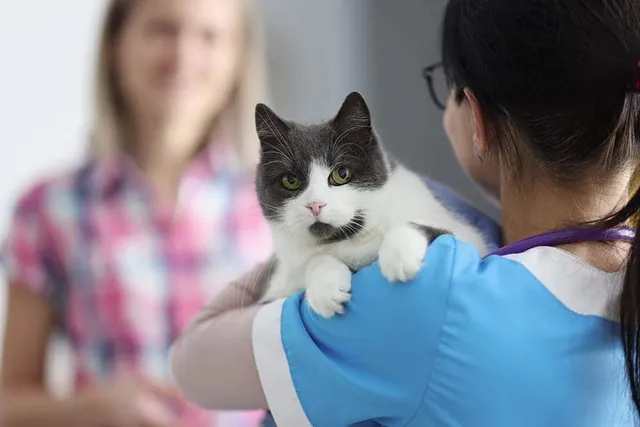
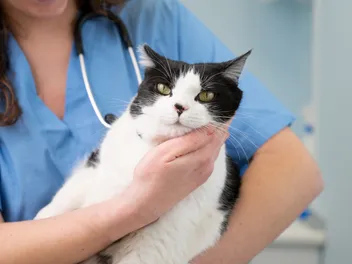
Vet care is absolutely imperative and is an essential part of owning a cat. Cats need routine preventative healthcare with yearly checkups and vaccines to make sure they are healthy, and to catch any potential health conditions before they pop up.
If you can’t afford appropriate basic vet care, you probably shouldn't have an animal now. Even if you dream of owning a cat, you should wait until the time when you're more financially stable and can afford to resolve any issues that might come up.
You don’t necessarily need to be rich to own a cat, but if you’re on a budget, you will need to plan smart. If you don’t have extra money stored away for vet care, you could opt for a pet insurance plan or take advantage of other savings options. Talk to a vet about pet insurance options or ways to make vet care more affordable.
7. Consider Spay/Neuter Surgery
Cat overpopulation in shelters and homelessness is a real problem. It’s a good idea to have your cat spayed or neutered as soon as possible to prevent unwanted litters of kittens, especially if you don’t have the means to take care of kittens.
Spaying and neutering can also help prevent or reduce unwanted behaviors such as spraying, urine marking, increased vocalization by females during heat cycles, and it can even prevent certain cancers from affecting your cat. Speak to a vet about the benefits and the best time to spay or neuter your cat.

How to Choose a Cat
Choosing a cat can be tricky and it might be hard to know where to start. Here are a few tips on how to pick your very own kitty.
Adult cat or kitten?
Cute kittens can be hard to resist but they usually require more time and patience from their owners due to their active and mischievous natures! If your household is more suited to a more laid back cat, an adult cat might be a better option.
Consider Fostering First
There are tons of cats at rescues and in shelters just waiting for a home! You could warm yourself up to what it's like to own a cat while giving these animals a break from the kennel environment by fostering. When you foster an animal, you take responsibility for that pet until another family adopts them.
Sometimes, people grow extremely attached to an animal they foster, and choose to adopt them within that time frame. Rescues and shelters often need volunteers, so if you have the space, time and resources this can be a good way of helping cats in need, while making sure adopting a cat fits into your home and lifestyle.
Adopt from a Rescue or Shelter
Instead of fostering, you can go directly to adopting if you find one that fits your situation and personality. Often, rescues and shelters will have an application process that you have to go through.
There are possible home inspections and other criteria you must meet in order to adopt a cat. So be willing to jump through some hoops which are there for the good of the animal, but know that in the end it will be worth it.

Accept a Cat Being Rehomed
If you know a friend, acquaintance, or family member that is no longer able to care for their cat, you could consider rehoming them. Life circumstances can really make it complicated for some people.
Choose a Responsible Breeder
Particularly if you are in search of a purebred cat, then selecting a responsible breeder is very important. Seek advice from your veterinarian, cat societies and professional websites and be sure that the cat breeder is registered. Do your research on your chosen breed and make sure the parents have had all the relevant health testing. Visit the breeder, and make sure the kittens are being raised in a home environment with appropriate socialization.

Considerations
You want to keep certain things in mind to see if your current circumstances work well with a cat.
Other Animals in the Home
Compatibility goes further than just you and the cat. You have to take other factors into consideration.
First, if you have a dog at home, have they ever been around cats? Have they ever shown excessive prey drive or aggression toward other animals? Dogs are usually much larger than cats and can accidentally or intentionally hurt or kill them.
Do you have a smaller pet—like a snake, gerbil, hamster, guinea pig rabbit, or anything else your cat might take interest in? Having smaller animals around can sometimes put them at risk if you bring home a kitty with natural hunting instincts.
Many people rehome pets because of incompatibility with current pets—so always look at this before committing.

Allergies
Folks often find themselves in a pickle. They bring a cat home, and all of a sudden, someone in the home starts sneezing, wheezing, and itching. The culprit? Pesky allergies.
Finding out after you have already committed to the cat is a bad deal. It could wind up being a total deal-breaker, causing you to rehome your cat. It’s best to find out beforehand by making sure members of your household have spent time with cats with no adverse reactions.
Importance of Vet Care
Vet care is absolutely crucial when owning any animal. You have to be financially stable enough to give that animal appropriate vet care anytime a need arises. You can have a stash of cash tucked away for a rainy day or opt for pet insurance.
Having a backup plan can assist you in the event of emergency surgeries, illness, and other potentially life-threatening circumstances. You also need to make sure you keep up with routine vet care, which can include parasite prevention, flea treatments, and routine vaccinations.
Be prepared to spay or neuter your kitten at roughly 4-6 months of age. Many poor behaviors come from staying intact, such as marking, spraying, yowling, or even fighting. Getting your cat fixed in a timely fashion will help you navigate around these issues.
Consider Pet Insurance
Pet insurance is growing increasingly popular—and for good reason! It helps to protect you against unexpected costs related to your cat, such as vet bills due to injury and illness.
Pet insurance policies can vary significantly in what they cost, what they cover and what is not included. It's important to carefully read the individual policy and what it covers to make sure it is the right cover for you and your pet. Most companies don’t cover preventative care such as vaccinations. Acting early is best, as most policies do not cover preexisting conditions.

Conclusion
So, now you know the basics of cat care. Does it sound like something you'd be up for? Can you meet the needs of a new feline friend? Sometimes, welcoming a pet can be a challenge, but if you are well prepared your kitty should integrate quite well, permitting you have the right home and lifestyle to suit a cat.
So, what do you think? Is there a feline newcomer in your future?
See Also:
Sources
Featured Image Credit: evrymmnt, Shutterstock
Expert cat care, straight to your inbox
News, insights, and useful advice, delivered to you.

No spam — unsubscribe anytime.
By signing up, you agree to our Terms & Conditions and Privacy & Cookies Policy.
How useful was this post?
Click a star to rate. You can leave written feedback afterwards. (We read all feedback.)
As a freelance dog writer and passionate pet enthusiast, Ashley Bates is pursuing studies in animal therapy. A mother to four human children and 23 animal companions, Ashley is dedicated to volunteering at shelters, advocating for animal rights, and rescuing animals in need. Her goal is to spread awareness, provide education, and offer entertainment about pets to reduce homelessness. Ashley's specialties include dogs and cats.