Cat Airplane Ears: 4 Vet-Verified Reasons Why Cats Do This, Facts & FAQ


In this article
Cats are known for their quirky behaviors, but one that continues to baffle pet owners is when they have "airplane ears." This seemingly strange behavior does have a purpose, and it’s not necessarily a good thing when your cat has airplane ears, even if it does look adorable. Usually, it means they want to be left alone. So, why do cats do airplane ears? We’ve outlined a few reasons below.

But First, What Are Cat Airplane Ears?
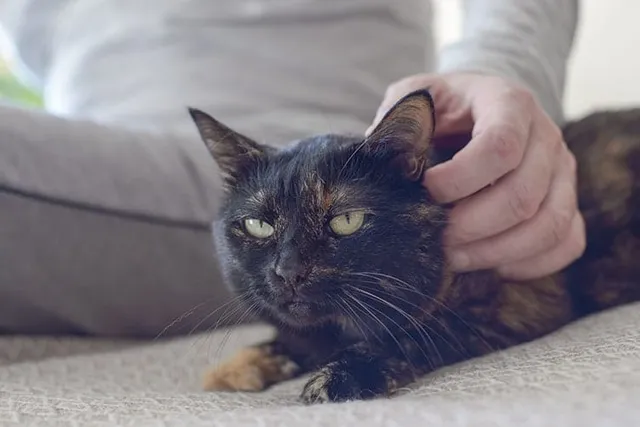
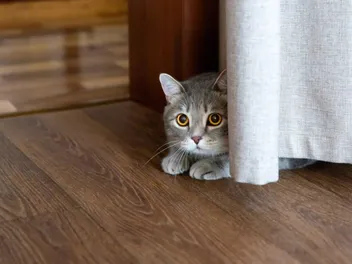
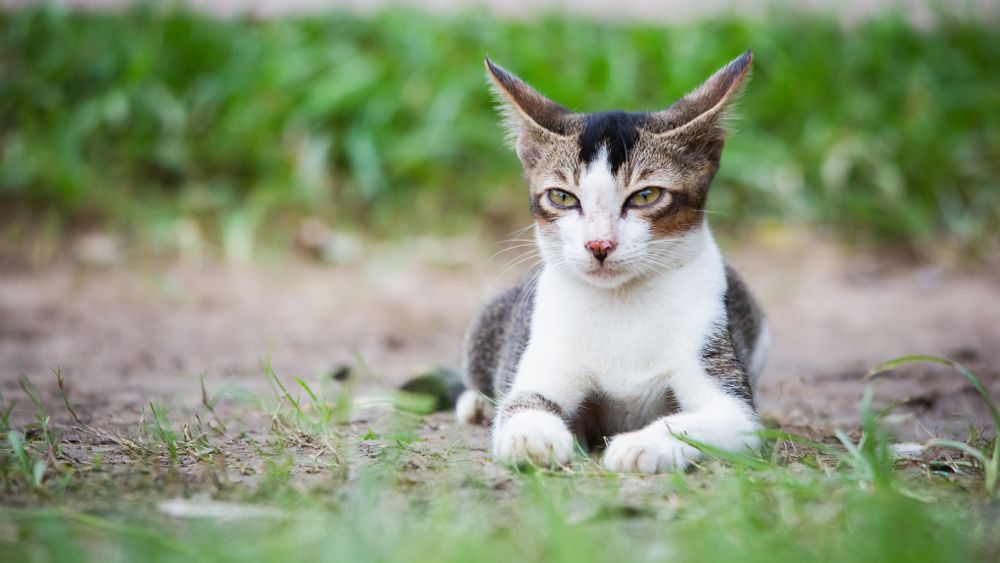
Airplane ears are when a cat holds their ears low and to the sides of their head, making them look like an airplane’s wings. Interestingly, you can tell a lot about a cat’s mood by the position of their ears, and you should know that airplane ears aren’t exactly a good thing.
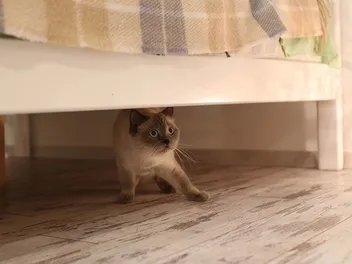
The position of a cat’s ears is often used as a form of communication, and in the case of airplane ears, it’s usually an indicator that your cat is feeling nervous, anxious, or frightened and wants to be left alone. If you don’t leave your cat alone and give them space, they could start to develop signs of aggression. But what could be causing your cat’s ears to go into airplane mode?


The 4 Reasons Why Cats Do Airplane Ears
1. Threats/Predators
Cats use their airplane ears as an early warning system for potential predators or things they see as a threat. This could be a new dog you just brought into the house, something they see outside, or even a new person that they find threatening, even if the person doesn’t mean any harm to them. When they lay their ears down, it's a sign that your cat might be feeling a little aggressive and protective as they prepare to fight off the threat.
2. Fear/Stress

When cats are scared, they will often lift their airplane ears in order to better detect and listen for any potential threats even if there isn’t anything visibly threatening nearby. By holding up their ears, a cat can more easily hear the direction of any possible danger and decide whether it’s safe to stay put or make an escape. The cat may also be in a new environment that they are unfamiliar with, and it's causing them stress.
3. Alarm
Cat airplane ears can also be used as a way for cats to focus on something that has alarmed them in the distance, particularly sounds that may be stressing them out. A cat may also twitch their ears. By twitching their ears, cats can better determine where sounds are coming from and target them more accurately. This is why cats will often tilt their heads when listening for something.
4. Cautious Curiosity

Cats may display airplane ears when they’re curious about something or want to investigate further while being cautious about it. If your cat has their ears up and alert, chances are that they heard or saw something that piqued their interest and they want to know more!
Are Cat Airplane Ears a Sign of Illness or Distress?
Usually, airplane ears are simply a sign that your cat is nervous or stressed. By giving your cat space and letting them calm down, the ears should return to their normal, relaxed, position. But if your cat is exhibiting any of the following behaviors along with airplane ears, it could be a sign that something is wrong, and you should take them to see a vet:
- Refusing food or water
- Vomiting or having diarrhea
- Lethargy and lack of energy
- Excessive scratching, biting, or licking of their fur
- Change in breathing patterns
- Disorientation or confusion
- Excessive vocalization, meowing, or hissing
If you are concerned about the health and well-being of your pet, seek veterinary advice for the best course of action.
Additional Ways Cats Communicate With Their Ears
1. Ears Flat Back or Clenched
This is another sign of fear, anger, or aggression. When your cat's ears are flat back, it usually means that they are feeling threatened or have a negative reaction to something. Ears in this position may follow airplane ears if the cat isn’t left alone. This is their way of putting up an emotional barrier to protect themselves from potential danger.
2. Ears Rotating
This is a sign of curiosity and interest. When cats rotate their ears, it usually means that they are curious about something and want to know more. Cats will often do this to pick up on a sound or scent and investigate further.
3. Ears Wiggling
This is a sign of joy and excitement. When cats wiggle their ears, it usually means that they're feeling excited or happy. This can be seen when they are playing with you or another cat, as a way of expressing joy and anticipation.
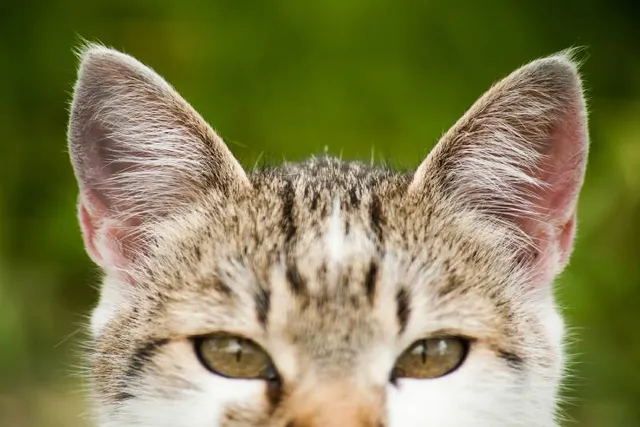
4. Ears Pointing Up
When cats point their ears up, it usually means that they are feeling alert and paying attention to something. This could be a sound, scent, or movement in the environment that has caught their eye and sparked their curiosity.
5. Ears Flicking Back and Forth
When cats flick their ears back and forth, it usually means that they are feeling uncertain about something. This can occur when a situation is unclear to them, and they need more time to process what's going on.
6. Ears Pinned Back
When cats pin their ears back, it usually means that they are feeling submissive or intimidated. This can happen when a cat is faced with something new and unfamiliar.
7. Ears Pointing Down
When cats point their ears down, it usually means that they are feeling relaxed and content. This behavior is often seen when cats are resting or sleeping, as they no longer feel the need to stay alert and attentive.
8. Ears in Two Different Positions

When cats have their ears in two different positions, it usually means that they are feeling confused and uncertain about something. This behavior can be seen when a cat is trying to partially focus on some strange noise in the distance but doesn't want to lose attention to something else. They might be trying to process conflicting information or make sense of an unfamiliar situation.

How Do I Know My Cat Is Happy and Content?
If your cat is exhibiting any of the following behaviors, it could be a sign that they are feeling happy and content:
- Rolling onto their back
- Exhibiting playful behavior or chasing objects
- Purring or making chirping sounds
- Following you around the house
- Rubbing up against you
What Ear Movements Are a Sign of Ear Infections in Cats?

Cat airplane ears are usually nothing to worry about, though you should give your cat space if you see them. However, if your cat is exhibiting any of the following ear movements or signs, it could be an indicator that they have an ear infection, and you should see a vet immediately.
- Head shaking or tilting
- Rubbing their head against furniture or other objects
- Scratching at their ears excessively
- Ear discharge (red, yellow, or brownish tint)
- Swelling of the ear flap
- Pain or discomfort when touched around the ears
Conclusion
Cat ears can provide us with insight into what our furry friends may be thinking. In the case of airplane ears, this usually means your cat is scared or nervous and wants to be alone. Next time you see your feline pal ready for takeoff, give your cat space to calm down, and their ears should return to normal in no time.
Featured Image Credit: Ranganathan Iyer, Shutterstock
Expert cat care, straight to your inbox
News, insights, and useful advice, delivered to you.

No spam — unsubscribe anytime.
By signing up, you agree to our Terms & Conditions and Privacy & Cookies Policy.
How useful was this post?
Click a star to rate. You can leave written feedback afterwards. (We read all feedback.)
Christian started writing for a local newspaper as a teenager, and he's been involved in the publishing industry for most of his adult life. Combining his love of writing with a passion for animals, he is currently the Director of Editorial at Pangolia and the Editor-in-Chief at Catster.
Christian lives in the Philippines with his wife, son, and four rescue cats: Trixie, Chloe, Sparky, and Chopper.