What Is the Worst Cat Litter Type? Considerations & Advice (Vet-Reviewed)


In this article
You can find so many different kinds of cat litter these days. They can come in pretty packaging or have appealing buzzwords. However, looks can be deceiving. Cat litter can affect a cat’s comfort, respiratory health, and willingness to use the litter box, and some types may cause issues in sensitive cats.
Not all cat litter is equal, and it’s important for cat owners to make well-informed decisions when purchasing it. Here are some key things to watch out for and be mindful of when shopping for new cat litter.

Cat Litter Types and Their Disadvantages
1. Sodium Bentonite

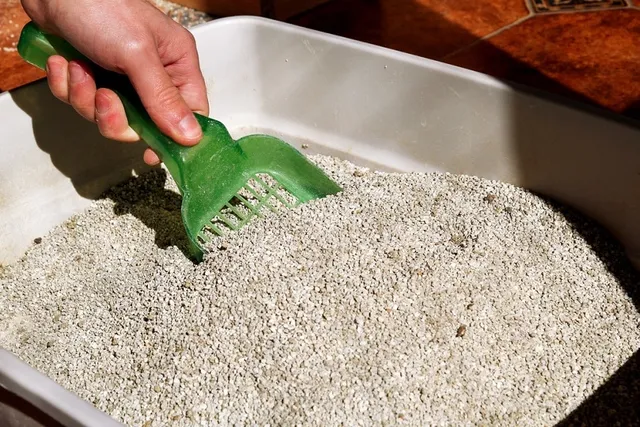
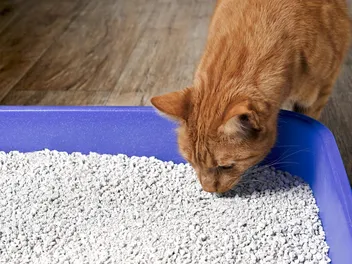
Some cat litter can contain sodium bentonite, which is a type of highly absorbent mineral clay. There’s no denying that cat litter containing sodium bentonite does a good job of clumping the litter and keeping the litter box dry. However, it may pose risks if a cat frequently eats or licks litter containing sodium bentonite, a behavior known as pica. Ingesting large amounts of clumping clay can lead to digestive issues, and in severe cases, it may contribute to intestinal blockage.
Some older case reports have suggested possible adverse reactions associated with bentonite exposure, but these are rare and not well established in modern veterinary literature. The primary concerns remain gastrointestinal obstruction and dust-related respiratory irritation in sensitive cats.
2. Pine

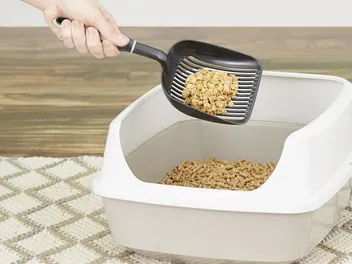
You can find several different varieties of wood-based cat litter, and they can be made with all kinds of wood and plant material. Some cat litter can use pine wood, which provides a fresh scent and helps reduce odors. However, some cats are sensitive to strong scents and may avoid heavily scented litters. So, if your cat doesn’t seem to like pine cat litter, try switching to cat litter with milder scents and cleaning out the litter box more frequently. It’s also worth considering other factors like texture, box placement, or potential medical issues if avoidance continues.
3. High Levels of Dust

Different kinds of litter have varying levels of dust in them. You can even find some that are 99% dust-free, although dust levels can still vary depending on how the litter is poured or used. Dusty cat litter can make cleanup more challenging, as finer particles of litter will track further from the litter box. It can also get stuck on your cat’s paws. Cats may ingest small amounts while grooming, which can be irritating for sensitive individuals.
High-dust litter can also worsen respiratory signs in cats and humans with asthma or other breathing sensitivities, making them less suitable for affected households.
4. Artificial Fragrances

Similar to pine scents, artificial fragrances can be irritating to some cats. Strong perfumes may discourage sensitive cats from using their litter box, although this varies from cat to cat.
While artificial fragrances can help mask odors, they do not necessarily eliminate them. Some litter products instead use odor-absorbing ingredients to help reduce smells more effectively.
So, it’s much more effective to use cat litter that has deodorizing ingredients, like baking soda, or mix cat litter deodorizing crystals into the cat litter.
5. Clay Litter

While clay cat litter is fairly common, it may not be the most environmentally friendly option. Most clay litters are not biodegradable, meaning they do not break down naturally and can remain in landfills for a very long time. Environmental impact can also vary depending on how the clay is sourced and processed.
Clay cat litter also tends to contain dust and stick to your cat’s paws. It tracks easily, so you’re likely to spend a lot more time cleaning up bits of litter throughout your home.

Finding the Right Cat Litter for Your Cat
Finding the right kind of cat litter can feel overwhelming because there are so many options. However, your search can be easier and more simplified if you focus on a few factors. The following key features will help you find cat litter that both you and your cat will appreciate:
- Low dust and tracking
- Odor control
- Absorbency
It’s often helpful to consider customer reviews while shopping for new cat litter to see if they mention anything about these features.
It’s also important to consider how much you’ll be budgeting for cat litter. Cat litter prices will vary depending on the material. Non-clumping clay cat litter tends to be the more affordable option. On the other end, you can find premium cat litter with special formulas designed to reduce dust and be safer and less irritating for cats with asthma or breathing issues. Eco-friendly cat litter is usually priced on the higher end, but you can still find some budget-friendly options made with recycled or natural materials.


Conclusion
Overall, avoid cat litter that contains significant amounts of dust or has strong scents. It’ll also be helpful to look for cat litter with low-tracking formulas. When given the opportunity, choose eco-friendly options and cat litter made with biodegradable or recycled materials.
Taking the time to look for the right cat litter won’t just benefit your cat. You’ll also reap the benefits of having a cleaner home, reducing litter box odors, and helping your cat maintain healthy litter box habits.
Related Read: Pine Cat Litter: Pros, Cons, & Things to Know
Featured Image Credit: Mr.Piya Meena, Shutterstock
Expert cat care, straight to your inbox
News, insights, and useful advice, delivered to you.

No spam — unsubscribe anytime.
By signing up, you agree to our Terms & Conditions and Privacy & Cookies Policy.
How useful was this post?
Click a star to rate. You can leave written feedback afterwards. (We read all feedback.)
Jessica is a freelance writer who spends most of her day researching and writing while her fluffy Cavapoo, Nora, naps beside her. She loves and appreciates pets and animals because there’s so much to learn from them, and they do so much for people. As a dog owner, she understands the special connection that pet owners form with their pets. She loves sharing helpful information that people can use to better understand their pets. When she’s not writing, you can find her walking dogs, tending to her plant babies, or drinking her nth cup of coffee.