Are Cats Good for Autistic Children? Vet Approved Pros, Cons & Benefits


In this article
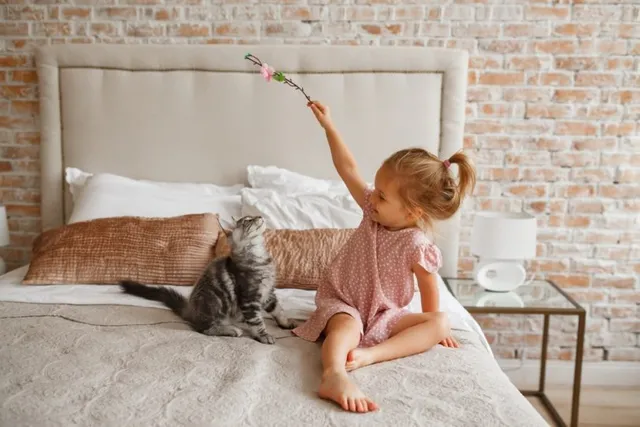
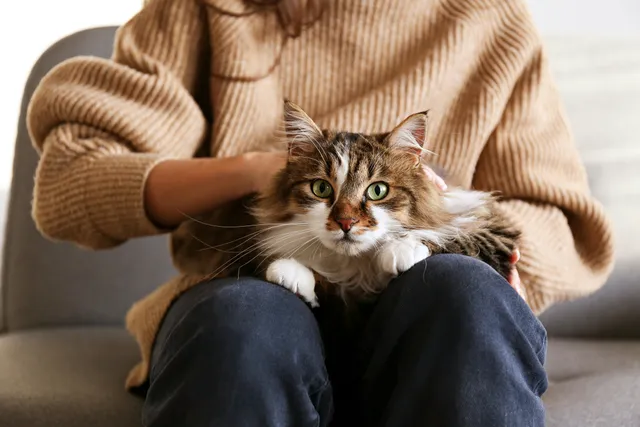
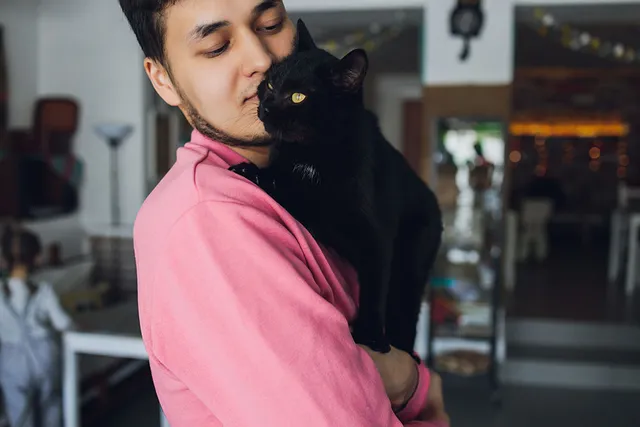
Having a cat as a pet is wonderful for many reasons, not least of which is the benefit they bring to our physical, emotional, and mental health. The cat-human bond is something distinctly special. So, if you have a child who is autistic and are seeking a therapy animal, you might be wondering if a feline would benefit your child or whether you should go with a dog or another animal.
The good news is that cats can benefit some autistic individuals, as they can help improve social skills and more. That doesn’t mean there aren’t some cons to bringing a cat into the home, though. Here’s a closer look at cats' pros, cons, and benefits for autistic children.

Pros & Benefits of Cats for Autistic Children
Benefits of Getting a Cat for an Autistic Child
What kind of benefits does having a cat in the home offer for autistic children? It turns out there are several benefits to having a furry feline around!
1. Easier to Care For
A big pro of feline ownership is that cats are usually easier to care for than dogs. Yes, you have to clean out the litter box, but no walks are involved. Plus, though cats are affectionate and cuddly, they also tend to want some alone time now and then, which could be less overwhelming for some autistic children. And owning cats tends to cost less than owning other larger animals; everything from food to medical care is less expensive for felines.

2. Create Routine
Felines are big on having a set routine; often, so are autistic children. Routines create stability and allow one to know what to expect and when. Having a kitty in the house helps provide a routine, as well as consistent, calming companionship, which can be beneficial for those with autism.
3. May Boost Confidence
It is an unfortunate reality that autistic children aren’t always accepted as they are, especially outside their homes. Having a cat around means having a friend who always accepts you just as you are, which can be a fantastic confidence booster. And this extra confidence can help kids feel more confident in social settings, making them feel less isolated.
4. Animal-Human Bonding
A study by the Human Animal Bond Research Institute found that when cats were adopted into homes with autistic children, the children and cats were quick to develop strong bonds1. And these strong bonds remained strong over time, meaning having a cat in their lives proved to be consistently positive.

5. Can Increase Social Skills
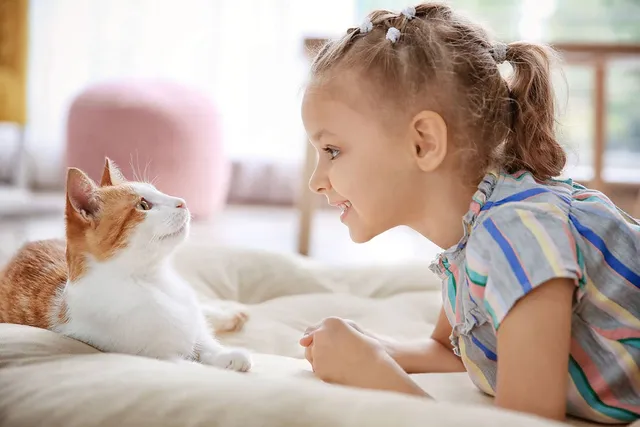
That strong bond that develops between felines and autistic children is terrific in more ways than one. In particular, this connection can help children with their social skills. Having a bond teaches them how important connections can be, which can aid in having them connect with other people, too.
6. Might Reduce Symptoms
What sort of symptoms can having a kitty possibly reduce? A cat may help reduce such symptoms as feeling overwhelmed when in crowded settings and trouble maintaining eye contact. Because cats can help with social interaction, that can also translate into having an easier time with things like answering questions or introductions.
7. Anxiety Relief
Cats can reduce anxiety in most people because interacting with them via playing or petting them has been shown to lower cortisol levels in the body. Since cortisol is known as the stress hormone and causes an increase in blood pressure, reducing it can be highly beneficial for anxiety. Even in a particularly stressful situation, interacting with a cat can help create a sense of calm.

8. Sensory Benefits
A feline also offers wonderful sensory benefits. Kitties purr, which causes vibrations, and they have fantastically soft fur. This sort of sensory stimulation may be soothing for some with autism.
9. Encourage Empathy
Particularly when introduced into the home at an early age, cats can help autistic children develop a sense of empathy. Caring for animals helps kids better understand the emotions of others, which can be a huge benefit when it comes to social interactions. Contrary to popular belief many autistic people experience hyper-empathy and feel distressed on behalf of other people and animals. Although difficult to experience for the autist, it often results in very protective feelings towards family, friends, and pets. This is an admirable trait.
Cons to Getting a Cat for an Autistic Child
1. Sensory Triggers
Sensory triggers can be common in those with autism, but what is a trigger for one child may not be a trigger for another. Having a feline around might not be best for all autistic children, depending on what their sensory triggers are. There may be certain textures, smells, or sounds associated with felines that a child is sensitive to, which means a different type of animal may be better suited to the home.
2. Responsibility
Someone in the home will need to be responsible for feeding the kitty, cleaning out their litter box, etc., whether that’s the child or another person. Everyone is capable of different levels of responsibility, so you’ll need to determine who in the home can handle being responsible for the care of a cat. There are also often higher responsibilities in terms of finances and medical professional involvement for neurodivergent people. It is important to consider if you have the resources of time and finances to look after a cat for the next 20 years!

3. Conflicting Personalities
Different cat breeds will have different personalities. Some may be outgoing and energetic, while others will be lazier and more prone to cuddling. You’ll want to determine what personality will work best with your child’s personality before bringing a feline into the home. Otherwise, you could end up with a case of clashing personalities. If your child is a big hugger and wants to be able to pick up and cuddle your cat frequently then a Bengal is not likely to be the right breed for example.
4. Allergies
If you’ve never had an animal in the home before or if your child hasn’t had the opportunity to be around many pets, there’s always a chance you could find out they are allergic to the kitty. You may want to try interacting with cats at a shelter or a friend’s cat before bringing one into your home to ensure there aren’t any allergic reactions.
Final Thoughts
Cats can be extremely good for autistic children, as they offer plenty of excellent benefits. Felines can help children relieve anxiety, improve their social skills, and more. However, there are also a few cons to pet ownership, such as the possibility of getting a cat whose personality doesn’t mesh with your child’s. But for the most part, the pros and benefits outweigh the cons.
Featured Image Credit: Daisy Daisy, Shutterstock
Expert cat care, straight to your inbox
News, insights, and useful advice, delivered to you.

No spam — unsubscribe anytime.
By signing up, you agree to our Terms & Conditions and Privacy & Cookies Policy.
How useful was this post?
Click a star to rate. You can leave written feedback afterwards. (We read all feedback.)
Misty Layne lives out in the woods in small-town Alabama with her two Siamese cats —Serafina and Jasper. She also has an array of stray cats, raccoons, and opossums who like to call her front porch home. When she’s not writing about animals, you’ll find her writing poetry, stories, and film reviews (cats, by far, her favorite writing topic, though!). In her free time, Misty enjoys chilling with her cats, playing piano, watching indie and foreign films, photographing abandoned places, and catching up on her never-ending TBR list.