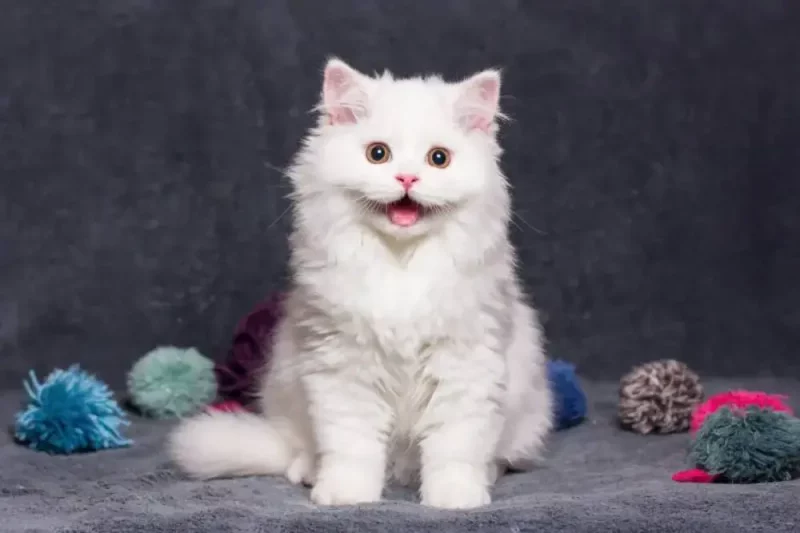
Kittens are vulnerable animals, and it’s unfortunate that many don’t have safe homes to live in, or mothers to look after them. Fostering kittens provides a safe temporary home for them to grow and prepare them for adoption.
All kittens are unique, and no two fostering experiences are the same. However, there are a few common expectations that come with fostering kittens. Having a realistic picture of what fostering kittens looks like will help you determine if you’re ready to take on this responsibility.

The 10 Things You Should Know Before Fostering Kittens
1. Have Clear and Realistic Expectations
Caring for kittens certainly has its fun and sweet moments. However, it’s not just about spending a little extra time with adorable kittens. Fostering kittens takes a lot of time and dedication. Kittens require a lot of attention and need help with just about everything during their first few months of life. Foster parents are responsible for socializing kittens and helping them learn to interact with and be handled by humans. There will be a lot of feeding, cleaning up litter trays every day, not to mention washing dishes, and potentially even sterilizing bottles.
It’s also important to mention that not all foster stories are successful, and there are times when weak or sick kittens don’t make it. And at the end of all that you have to say goodbye when the kitten finds their forever home. Fostering kittens is definitely a rewarding experience, but it’s important for potential foster parents (and their families) to be ready to take on whatever challenges that may arise along the way.

2. You Don’t Need to Be an Expert
While it’s important to be aware of the serious responsibilities that come with fostering kittens, it doesn’t mean that you have to be a cat expert. It helps to have experience living with cats, but many cat adoption organizations will accept cat foster parents who have minimal experience. They’ll also provide their own orientation and training or may recommend you volunteer at their shelter space for a period of time before fostering.
Most cat adoption centers will welcome enthusiastic and earnest learners, and they won’t expect their foster parents to know all the answers. So, you don’t have to let your lack of experience deter you from fostering kittens but be prepared to learn about kitten milestones, neonatal care, vital signs and much more.
That being said, some kittens require extra special care. It’s unlikely that you will be given a critically ill kitten to look after but it’s important to know your limits and speak up if anything is outside your comfort zone. Some kittens are too weak to suckle and need syringe feeding or tube feeding; with this comes the deadly risk of aspiration pneumonia. This is best left to experienced handlers.
3. Take Kittens to Their Veterinarian Appointments
One of the main responsibilities of kitten foster parents is scheduling and taking kittens to their veterinarian appointments. Stray kittens can be at higher risk of diseases and require thorough medical attention. They need to stick to a vaccine schedule and may have an additional deworming schedule.
Another important medical procedure that all foster kittens must undergo is spaying or neutering. While foster parents aren’t expected to pay for these procedures, they do need to schedule them and provide appropriate care for the kittens while they recover.
There is always the chance one of the kittens will need an urgent or emergency veterinary appointment. This means being responsible enough to know the signs that your kitten(s) need a vet, or aren’t doing well. You have to be willing to be flexible, and go to out of hours appointments if needed.
4. Some Kittens Require Medicine
Cat adoption centers don’t typically assign kittens that require intensive care to new foster parents. However, it’s still important to know that you may receive a kitten that requires additional medical attention.
Kittens can come into adoption agencies with nutrient deficiencies or illnesses and need to be nursed back to full health. Therefore, kittens need reliable foster parents who are able to stick to a consistent routine and tend to any additional medical care needs, such as administering medication and minor wound care.
If the disease is infectious, like ringworm (which can be spread to humans) or respiratory viruses, this can put members of your household and pets at risk. While carers should notify you if an animal is carrying an infectious disease, sometimes this doesn’t present itself until they are already in your home.
5. Create a Designated Foster Kitten Space
In addition to potentially carrying something, kittens are vulnerable to catching transmissible diseases, especially when they’re too young to start their routine vaccines. Any cats in your household should be healthy and vaccinated, with a competent immune system. A period of quarantine will prevent diseases being spread both ways, most organizations recommend keeping the kittens separate from other pets for 2 weeks.
Set up a warm and comfortable area that has all the necessary supplies for looking after kittens. Kittens that are not very mobile (around the 3-4 week mark) should be kept in a carrier or cardboard box. The ambient temperature should be 89.5-93°F for 1 week old kittens and can be slowly decreased until they are 4 weeks of age, when they can cope with a temperature of 75°F. Make sure there is warm and comfortable bedding, and that absorbent material can be changed when urinated or defecated on. Keep the area clean and hygienic.

6. It’s Possible to Foster Kittens With a Full-Time Job
Contrary to popular belief, you can foster kittens while having a full-time job. Most foster care programs are able to accommodate a foster parent’s schedule. If you don’t have as much time, they may assign an older kitten or a cat that doesn’t require an extensive amount of attention. Very young kittens need feedings every few hours. However, as socialization is one of the main objects of foster care, it’s necessary for you to be able to interact with your foster kitten for at least a few hours a day.
7. Kitten-Proof Your Home
Kittens can be quite the escape artists, especially after they’ve been weaned and have better control of their limbs. Therefore, it’s an absolute must to kitten-proof your home. Kitten-proofing your home will look similar to baby-proofing a home. Electrical sockets must be covered, and wires must be unreachable or left unplugged. House cleaning products and other chemical supplies must be stored in unreachable shelves or cabinets, and any items you don’t want ruined must be hidden in a safe location. Close up any windows and make sure there are no exit points. Look around your house for potential hazards; this could include toxic foods and plants or items that could be swallowed. Also make sure you have all the necessary supplies for looking after your kittens.

8. Some Kittens Need to Be Bottle-Fed
Sometimes, adoption centers reach full capacity and need to transfer young, orphaned kittens to foster homes. Depending on how many weeks old the kitten is, you may need to bottle-feed them about every 2 hours. A kitten milk replacer is used to keep the kittens. It’s also the foster parent’s responsibility to prepare and adjust the formula correctly so that their kitten gets all the nutrients they need.
Another part of hand-raising kittens is helping them relieve themselves after they’ve finished eating. Kittens under 3 weeks of age can’t urinate or defecate on their own, so mother cats will lick their kittens to help them. Foster parents will have to help their kittens and check to make sure they relieve themselves after each feeding. Once they are ready to try some solid food (around 3-4 weeks of age) it will be up to you to wean them.
9. Kittens Require Socialization Opportunities
One of the main benefits of fostering kittens is the opportunity to socialize them with humans. Therefore, cat adoption centers make it a priority to ensure their foster parents have enough time each day to interact with their kittens for at least a few hours. Single kittens and those separated from their mother are prone to behavioral problems. The kittens, once quarantined, should meet all kinds of people, including children. Get them used to noises, textures, new objects, and surfaces. Play with them and pet them to keep things positive. Try not to scare them at all.
Foster parents are also the main resource for learning about a kitten’s personality and preferences. This information can help adoption centers rehome kittens to families that can meet their needs. So, you can expect adoption centers to ask you about your cat’s personality and what types of homes they’re best suited for.

10. The Timeline for Fostering Varies
Foster kittens can stay in the same foster home for just a few weeks to several months. It’s in the kitten’s best interest to have the same caregiver look after them throughout their foster care experience. So, it may not be the best time to foster kittens if you have any upcoming travel plans. However, you can always request to take a break between foster kittens so that you can go on your well-earned vacation before resuming your care for foster kittens.
In Conclusion
Fostering kittens is often a rewarding and life-changing experience. It’s certainly worthwhile caring for an animal in need. However, it’s also important to know general things to expect and if you can meet those expectations. So, if you feel prepared to take the next steps and apply to become a foster parent, make sure to contact a nearby cat adoption organization.
If you don’t think you can foster kittens right now, there are plenty of other ways to support vulnerable animals in your community. You can always reconsider fostering again once you’re at a place in which you have more time to care for foster kittens.
Featured Image Credit: uzhursky, shutterstock
 The 10 Things You Should Know Before Fostering Kittens