How to Tell If Your Cat Is Overweight: 4 Vet-Reviewed Signs to Look For


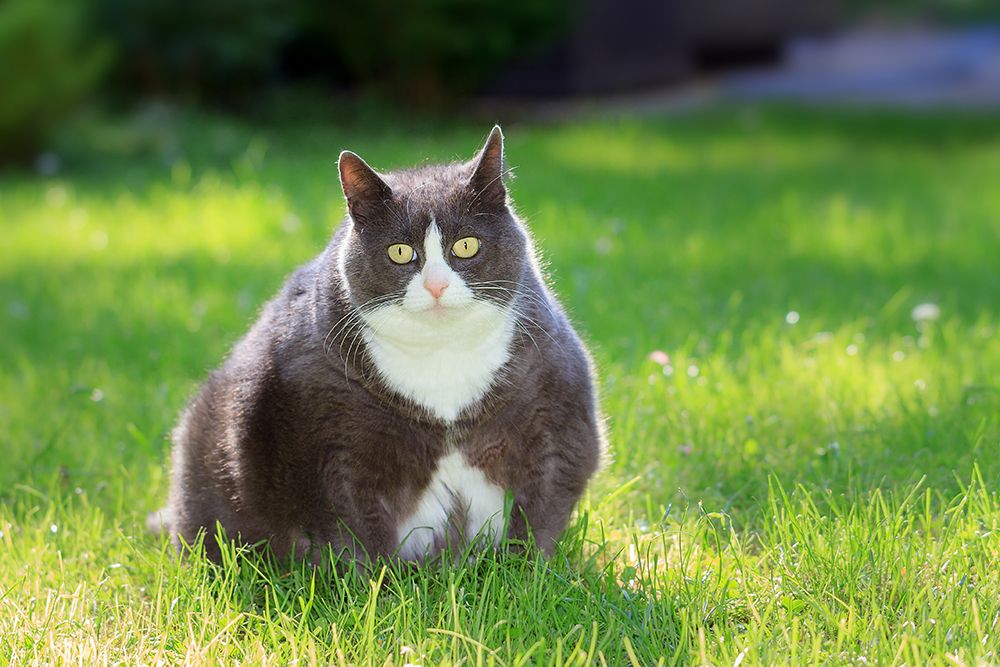
Do you suspect that your cat is on the chunky side? If so, are you wondering how to tell or what signs to look for? Obesity is a common problem with domesticated cats, and the number of obese felines is on the rise. As of 2018, 60% of cats in the United States are overweight or obese.
Obesity leads to a whole slew of health problems that you want your kitty to avoid, and it’s wise to know how to tell if your cat is gaining weight so that you can address the issue. In this article, we’ll look at the signs that indicate your cat is overweight and what you can do about it.

How Can I Tell if My Cat Is Overweight?
First, your cat’s breed and age affect their weight. Some cats are built differently. For example, some are long, lean, and muscular, while others are naturally big-boned, like the Birman cat or Ragamuffin.
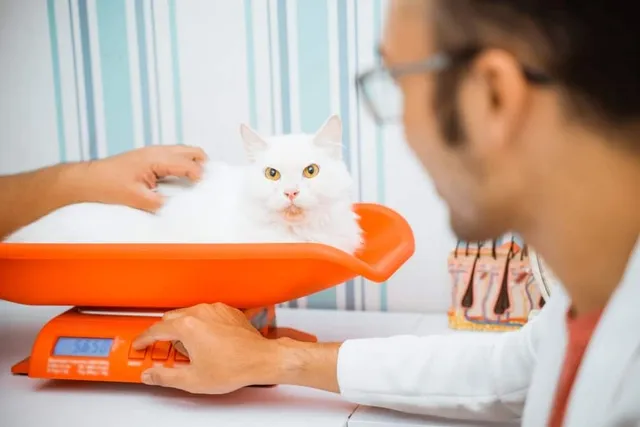
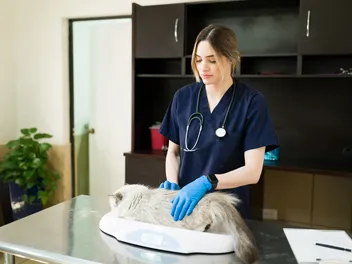
Knowing the ideal weight for your breed is the first step in determining if your cat is overweight. To know for sure, a veterinarian can inform you of the ideal weight range, which is generally 7–12 pounds, depending on the breed and sex.
The 4 Signs to Look For
Let’s move on to signs to look for to determine if your cat is overweight.
1. Rib Cage

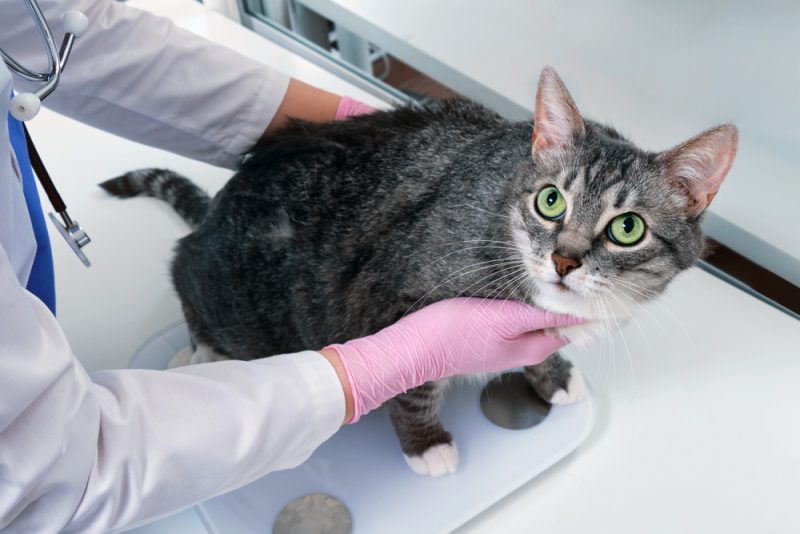
According to the Cummings School of Veterinary Medicine, you can feel your cat’s rib cage to see if they're overweight. The rib cage area should feel no more padded than the back of your hand. If you can’t feel the rib cage or have to press firmly to feel it, you may have an overweight cat.
If you can’t feel the rib cage, you probably have more than just an overweight cat. Your cat is more than likely obese. A cat is considered obese if their weight is 20% over the ideal body weight.
2. Inspect the Waistline
A cat’s waistline is directly above the hips. An excellent way to check the waistline is to look directly down from above while your cat is standing. What you’re looking for is a slight indent in the waistline.
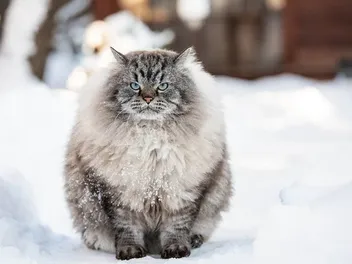
This method is a little harder if you have a long-haired cat, so keep that in mind. In that case, feeling the rib cage might work better. Nonetheless, if you can’t see any indention or if your cat’s sides are bulging, your cat may be overweight.
3. Trouble Jumping

Most cats are pretty acrobatic and love to jump on things, especially cat trees, and some love the feeling of being higher up than anyone else in the room. A cat’s body is designed for jumping, leaping, and running.
If your cat is having trouble jumping and takes several attempts to jump on their favorite piece of furniture, it may be because your cat is carrying around excess weight. If your cat gives up jumping altogether, they're more than likely overweight or obese.
4. Use an Overweight Cat Chart

An overweight chart or a Body Condition System (BCS) chart can help determine if your cat is overweight. The charts can come in handy to tell if your cat is overweight or underweight by using graphics and written content to help you further.
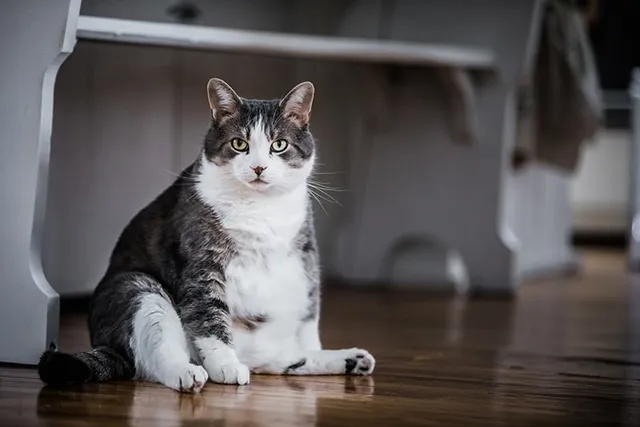
Sometimes, you can tell if your cat is overweight just by looking at them. If you see a protrusion on the sides, your cat is probably not at their ideal weight.
What Health Problems Are Associated With an Overweight Cat?
Many health issues can arise in overweight cats, such as diabetes, arthritis, liver disease, pancreatitis, gastrointestinal problems, urinary issues, skin issues, and cancer. Your cat can also have mobility issues and depression from being overweight.
If your cat can no longer jump up on their favorite piece of furniture or gets tired from playing for only a short period, depression can undoubtedly settle in. As you can see, your cat being overweight can cause both physical and mental issues.
How Can I Help My Cat Lose Weight?
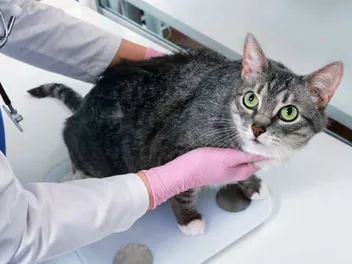
Before you try a weight loss program for your kitty, it’s best to take your cat to the vet if you’re not 100% certain. A diet plan can lead to other medical problems if your cat isn't overweight.
Once you know your cat needs to lose a pound or two, you can increase the amount of exercise your cat gets, modify your cat’s diet (usually under a vet’s recommendation), or select a weight-management cat food.
When looking for cat food, choose a complete and balanced formula with reduced fat and calories and all the nutrients cats require. If ever in doubt, consult with a veterinarian for recommendations.
You can make exercise fun for your kitty by providing puzzles and games, especially ones with a treat inside that they will have to work for to get out, which burns calories. Cat trees and scratching posts are excellent in providing exercise, too.
Conclusion
Keeping your cat at an ideal weight is vital for their physical and mental health. It’s vital to monitor your cat’s appearance and maintain yearly exams so that you can keep medical issues at bay and prevent your cat from becoming overweight in the first place. In doing so, your cat will have a healthy and long life.
It may be challenging initially, especially if your cat gives you the evil eye when you cut back on food or treats, but stay vigilant! After all, your cat’s health depends on it.
Featured Image Credit: Dennis van de Water, Shutterstock
Expert cat care, straight to your inbox
News, insights, and useful advice, delivered to you.

No spam — unsubscribe anytime.
By signing up, you agree to our Terms & Conditions and Privacy & Cookies Policy.
How useful was this post?
Click a star to rate. You can leave written feedback afterwards. (We read all feedback.)
Rachel Giordano is a Pensacola, Florida-based musician and writer. She lives with her partner and their two dogs, Sophie, a Boston Terrier, and Aero, a Border Collie/Sheltie mix. Rachel holds a Bachelor of Arts degree in communication and loves writing about all types of cat breeds. When she’s not writing about cats, she loves to write suspense/thriller novels. A musician by night and writer by day, she enjoys sharing her knowledge of the needs and requirements of our furry friends.