The 5 Stages of a Urinary Blockage in Cats: Vet-Verified Info & FAQ

In this article
Feline lower urinary tract disease (FLUTD) is a syndrome related to inflammation in the bladder and urethra. It’s one of the most frustrating conditions for cat owners and, unfortunately, strikes many kitties in the prime of life. Some forms of FLUTD can lead to a cat being unable to pass urine, otherwise known as a “blocked cat.”
A urinary blockage is much more common in males because their urethra (tube from kidneys to bladder) is longer, narrower, and more easily obstructed. This is the most severe consequence of FLUTD and is a medical emergency as this is a life-threatening problem for cats. The affected cat can’t excrete toxic waste products made in the body. Unchecked, the toxins and pressure on the kidneys lead to problems such as dangerous slowing of the heart, kidney failure and finally, death. Understanding how the disease progresses is helpful, as intervening early can reduce your cat’s chances of becoming blocked in the first place.

How a Urinary Blockage Develops
1. Underlying Disease
The first step toward a cat becoming blocked is a problem in their bladder or urethra. Since FLUTD is a syndrome rather than a specific diagnosis, there is more than one problem that could lead to a cat becoming blocked. Some of these underlying diseases include:
- Bladder stones or crystals are minerals that form in your cat’s bladder. They can be large or microscopic. They irritate the lining of the bladder causing inflammation. Sometimes, they can end up traveling down the urethra and then lodge there, creating a blockage.
- Idiopathic cystitis is inflammation of the bladder thought to be triggered by stress. Middle-aged cats that live indoors, are overweight, sedentary, and have social conflicts with other cats in the house are more at risk. The inflammation in the bladder can cause a clump of protein and other debris, or “plug,” which can physically block the urethra. This occurs in about half of blocked cats.
- Cancer of the urinary tract can lead to bladder troubles and urinary blockages. This is uncommon but should be considered in older cats.
- Urinary tract infections usually occur secondary to another bladder problem and are only present in a small portion of blocked cat cases. They can cause signs of FLUTD but are more common in female cats.

2. Signs of Bladder Problems
Your cat will start showing milder signs of bladder trouble before the blockage in most cases. These signs result from inflammation and pain in the urinary tract. Early signs to watch out for include:
- Urinating in small amounts
- Urinating more frequently
- Straining to urinate
- Crying while urinating
- Blood in the urine
- Cloudy or smelly urine
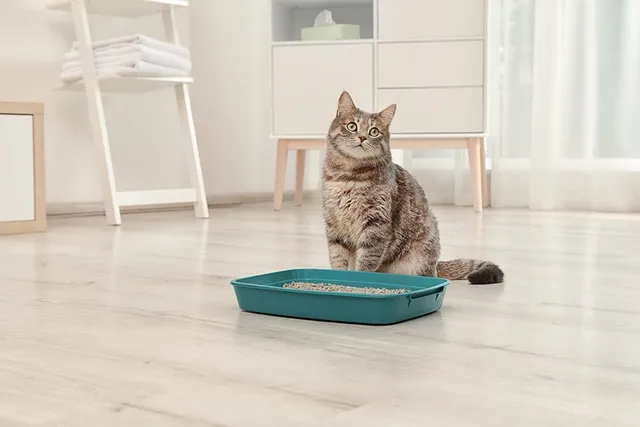
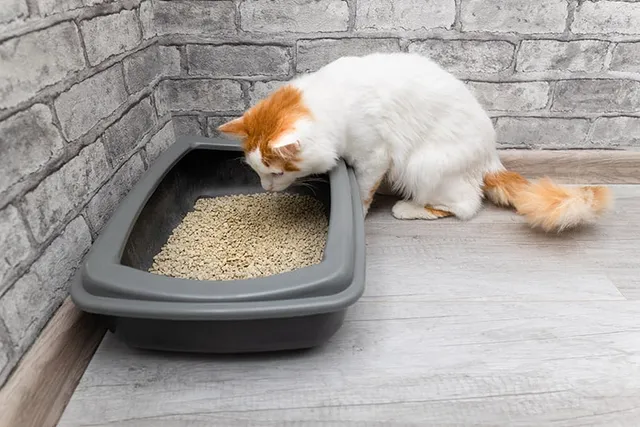
- Urinating outside of the litter box
- Frequent licking of genitals
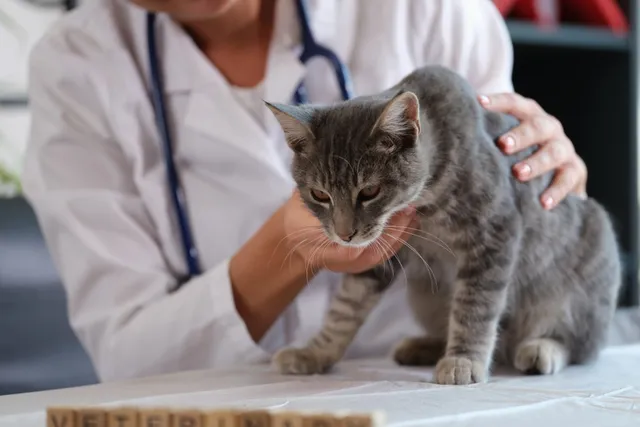
Ideally, you would notice these signs and take your cat to the vet sooner rather than later. Your vet will take a history, examine your cat, and may recommend further testing, such as urine tests or diagnostic imaging. Then, your vet can make a treatment plan to help your cat and try to prevent urinary blockage.
3. Urethral Obstruction
A urethral obstruction occurs when a blockage in the urethra prevents urine from getting through, the bladder cannot be emptied. Aside from plugs and stones, swelling and spasms of the urethra can cause obstructions. This is when a cat truly becomes blocked.
A blocked cat cannot pass any urine, and over several hours, the bladder increases in size and becomes large and firm because it is so full of urine. The obstruction is very painful, and these cats can cry a lot, become lethargic, stop eating, become aggressive when touched, and lick their genitals a lot.
At this stage, your cat needs emergency veterinary treatment. Your vet will pass a urinary catheter to relieve the obstruction, which allows your cat to urinate and treat the underlying cause of FLUTD. Your cat’s urinary catheter may stay in for a few days and they will remain in the hospital on a fluid drip.
This allows the bladder to recover and reduces the risk of another blockage. Your cat will usually get medications for pain relief and bladder support.

4. Metabolic Disturbances
Since blocked cats can’t get rid of the waste products in their urine, these products build up in their system. They cause the cat to become nauseous, so you might also notice vomiting. Throughout this process, the kidneys keep trying to produce urine and the pressure in the urinary system causes kidney damage.
The waste products cause the blood to become acidic, leading to metabolic problems. There is also an accumulation of potassium in the blood, which worsens over time. Excess potassium (hyperkalemia) leads to a low heart rate and abnormal heart rhythm in severe cases. These severe metabolic disturbances can cause your cat to collapse and ultimately even pass away.
Fortunately, these changes can be reversed if caught in time, and the prognosis is better with prompt vet treatment to relieve the blockage and restore metabolic balance.
5. Death
The sad fact of the matter is that a cat will eventually die from a urinary blockage after a period of pain and suffering. If you notice signs of urinary obstruction, you must get your cat to a vet immediately.
Frequently Asked Questions
How Much Does Treatment Cost?
According to Pawlicy Advisor, you can expect to pay $750 to $1,000. However, if the blockage recurs or your pet needs advanced care or surgery, the bill could be more than $3,000. Don’t let these costs get in the way of seeking help for your cat with a blocked bladder. Most vets are understanding of financial constraints and will discuss options with you. Although difficult to bring up and discuss, in some cases euthanasia may be recommended to end your cat’s suffering.

Can a Cat Survive a Blockage?
There is good news for your cat since the blocked bladder survival rate with treatment is very high. Feline urinary tract obstruction has an excellent prognosis when treated appropriately. For hospitalized cats, 91%–94% will recover well enough to go home.1
Unfortunately, the recurrence of urinary blockage is very common. One study showed that 51% of cats had a recurrent episode of FLUTD soon after recovery, and as many as 21% could be euthanized due to recurring signs.2
How Can I Treat My Cat’s Blockage at Home?
It’s vital to know how to help a blocked cat pee. The truth is, once your cat stops urinating, there is nothing you can do to help them at home. They need emergency veterinary treatment. The best way to treat a cat’s urinary blockage at home is to prevent the problem from occurring in the first place.
The exact strategies vary depending on the underlying cause in your cat, and you should talk to your vet. Some standard preventative methods include:
- Increasing your cat’s water intake using a water fountain or choosing diets high in moisture
- Refreshing their water once or twice a day
- Prescription urinary diets to dissolve bladder stones and help with stress
- Maintaining a healthy weight or body condition
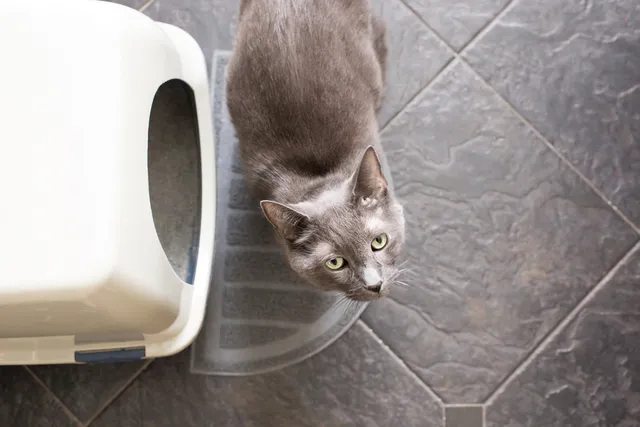
- Providing a litter box per cat in your household, plus an additional one
- Ensuring the litter box is 1.5 times the length of your cat
- Ensuring your cat likes the litter and it is 2 inches deep
- Keeping litter boxes clean and inviting in a comfortable, quiet area of the home
- Offering hiding spots in the home
- Putting your cat’s resources in a private area
- Avoiding placing the litter close to feeding areas
- Minimizing stress through changes in the home
- Providing enrichment
- Playing with your cat
- Shutting the curtains to avoid interactions with outdoor cats
- Using calming products like synthetic pheromones or supplements
- Considering anxiety medications
Can Cat Urinary Blockage Solve Itself?
Once owners have noticed signs of illness and the cat is not urinating, the signs will seldom go away on their own and it is not a risk you should take. More likely, the cat will die within 2–3 days if left untreated. Genuine urinary tract blockage is a true medical emergency. Incomplete or small blockages with urinary stones can, in theory, pass with the build up in pressure but there will be considerable pain and risk to your cat, so veterinary attention should always be sought.

Conclusion
Urinary blockages are potentially life threatening conditions for cats. The blockages require prompt veterinary treatment to save your cat’s life. Being alert to problems can help you catch the disease in its early stages. Prevention and early intervention can reduce your cat’s risk of getting blocked. However, your cat can still get blocked despite the best care from you and your veterinarian. Sometimes, the cases are recurring, which makes them all the more frustrating for loving owners.
Sources
Featured Image Credit: megaflopp, Shutterstock
Expert cat care, straight to your inbox
News, insights, and useful advice, delivered to you.

No spam — unsubscribe anytime.
By signing up, you agree to our Terms & Conditions and Privacy & Cookies Policy.
How useful was this post?
Click a star to rate. You can leave written feedback afterwards. (We read all feedback.)
Dr. Ashley Darby BVSc (Veterinarian)
Ash has worked in mixed and small animal emergency clinics and general practice ever since 2017 after graduating from Sydney University. She grew up in South Africa and England before moving to Australia, and her passion for animals came from many childhood safaris in the Kruger National Park.
Ash lives with her husband Ben, two energetic Springer Spaniels, and one very tolerant black cat. She also competes in dressage, eventing, and show jumping with her horse, Atlas.