Get

In Your Inbox

Catster is reader-supported. When you buy via links on our site, we may earn an affiliate commission at no cost to you. Learn more.

What Age Cat Should I Adopt? Benefits & Risks At Each Life Stage Explained

Share

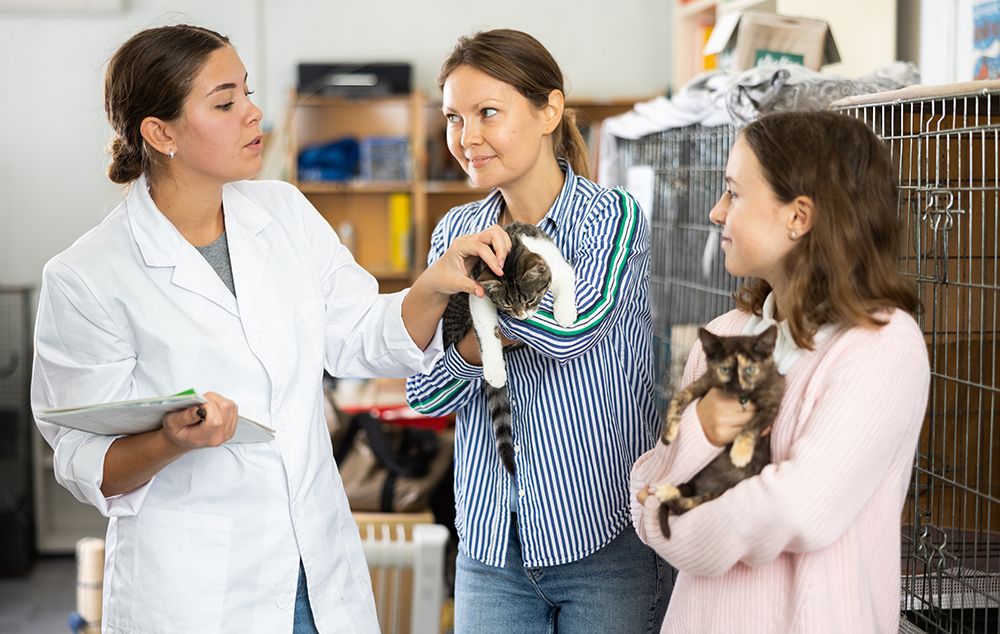
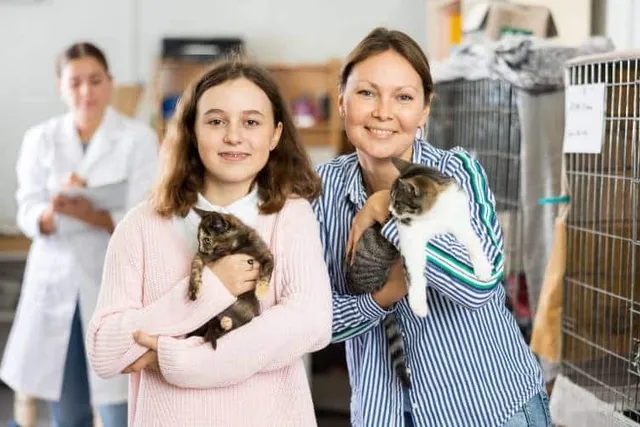
mother and child adopting cats from the shelter

You’ve decided it’s time to get a warm, fuzzy love ball – in essence, a cat. But there are so many unwanted cats up for adoption that it can be overwhelming to choose one. When selecting a cat, you might consider size, temperament, shedding, and other criteria, but the first issue to solve is how old you’d like the cat to be.

There are lots of different aspects to consider, but is there an ideal age to adopt a cat? All cats have something special to offer, regardless of age, but some considerations will help you make the best cat selection.

divider cats oct 2024

Adopting Cats at Different Lifestages Explained

Adopting Kittens

kittens sitting in a cage in the house of a cat breeder
Image By: Maria Surtu, Shutterstock

Kittens are so much fun, but they’re a lot of work, too. What’s the best age to adopt a kitten? The ideal age is 10-12 weeks, but if you are adopting a kitten from an animal shelter, they may need a new home when they are 8-10 weeks.

Benefits
  • A Fresh Start: Kittens are a clean page for you to fill in the story. They shouldn’t have any major hang-ups or behavior problems. It’s up to you to mold them.
  • Training: You can start training a kitten right away. They respond well to treats, attention, or a toy. They can also be gently corrected for unwanted behavior, such as scratching or biting, and rewarded when they use their scratching post or treat us gently.
  • Comedic Relief: There’s little funnier than a kitten jumping straight up in the air to catch a fly or a kitten falling off the sofa and looking shocked.
  • Other Pets: Existing cats or dogs are more likely to accept a kitten than an older cat.

Drawbacks

  • Health: Kittens can have special health issues, including worms, ear mites, Ringworm, and Feline Leukemia. Sometimes they may have trouble transitioning to new foods, and it may take some trial and error to get things right.
  • Safety: Kittens get into everything. Your house must basically be clutter free and you need to check for holes in walls, screens, etc. Wires and cords are another target, so you’ll need to tuck these away or use protective tubing to thwart exploring teeth.
  • Housetraining: Most kittens have mastered the litter box by the age of 5-6 weeks, but others might be a bit slower to catch on, so you may need some patience to help them figure things out.
  • Needles for teeth and claws: All cats have teeth and claws, but kittens’ are particularly sharp, and they will use them to play, explore, and climb furniture, curtains, and people.
  • Unpredictable temperament: Although their early life with you will have a bit of impact on their behavior, feline personalities tend to be less predictable than dogs.

If you don’t have any other pets, you might want to consider bringing home a pair of kittens. Not only does it mean double the fun, but it means they will have company when you go out, and someone to engage in rough play with, sparing your hands and ankles from sharp teeth and claws.


Adopting Middle-Aged Cats

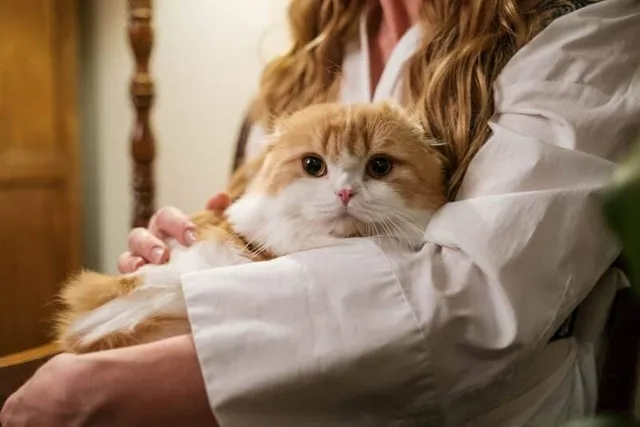
calico cat in the arms of a woman
Image By: Mirahybrid, Shutterstock

Benefits
  • Personality: When you adopt an older cat, you have a much better idea of their character and temperament, and the shelter should know if they’re good with other cats or dogs, children, etc.
  • Health: A cat tends to be healthiest in the middle of their lives, having moved beyond kitten risk factors, but not suffering any effects of old age. Your cat should have been checked over by a veterinarian and treated for any immediate health issues.
  • Activity: An older cat is usually calmer and placid than those crazy kittens.
  • Spaying and neutering: Adult cats are usually spayed/neutered by the animal shelter prior to rehoming, which is one less thing for you to worry about.

Drawbacks

  • Background: Shelters often don’t know a cat’s exact background, which means she could have some personality or behavior issues.
  • Training: Cats can already be challenging to train, and adults even more so. Fortunately, most cats don’t require a great deal of obedience or toilet training.
  • Behavior: One of the most common and most challenging aspects of adopting an adult cat is the potential for territorial or stress-related behaviors like scratching furniture and inappropriate urination. There are lots of ways to help ease your new cat’s transition and reduce the risks of experiencing these unwanted behaviors.
  • Conflict with other pets: Bringing an adult cat into a home with other pets can be challenging, and needs to be done carefully. Some cats will never get along with other pets, which is why it’s important to get as much information about them as possible.


Adopting Elderly Cats

senior calico cat on kitchen towels
Image Credit: Kristi Blokhin, Shutterstock

Cats over 10 are considered elderly. When considering whether to adopt an older cat or a young kitten, consider these issues:

Benefits
  • An Act of Kindness: Anyone who adopts an elderly cat is doing a great thing. They are the least likely to be adopted and shelters cannot keep them indefinitely.
  • Behavior Problems: Old cats generally do not have the same behavior problems as younger cats.
  • Personality: Now you’re talking about getting a truly mellow cat. Even cats that were flighty or grumpy when they were younger tend to be much more settled and relaxed as they enter their retirement years.
  • Activity: Older cats are much less likely to be tearing around the house, climbing the furniture, or generally wreaking havoc.

Drawbacks

  • Training: Although you can teach an old cat new tricks, they tend to be pretty set in their ways. The most important thing will be to ensure they are consistent about their litter box use.
  • Health: Older cats tend to have more issues than middle-aged cats. Their teeth and gums often require vet attention, they are more likely to develop arthritis, kidney disease, hyperthyroidism, or cancer. They will need more regular check-ups and blood tests to stay on top of their health.
  • Less Time Together: Most cats live until about 16, so your time with an elderly cat will inevitably be more limited than your time with a kitten.

divider cats oct 2024

Final Thoughts

Selecting a cat is such a personal issue. Considering whether an older cat or a young kitten fits your life is essential, and knowing the issues of each age will make your cat selection an easier task. Although the obvious appeal of an adorable, playful kitten is pretty hard to resist, if you want to be more confident about the health and temperament of your new pet, an adult might be the way to go. After all, they’re not kittens for long!

Giving a forever home to an older cat can be very rewarding, but you need to be prepared for the added costs and potential heartbreak this will likely entail.

In any event, adopting a cat in need from an animal shelter is a wonderful thing to do, and even better, you might want to think about adopting two!


Featured Image Credit: BearFotos, Shutterstock

Want content like this delivered to you?

Sign Up For Our Newsletter

News, insights, expert advice, and everything cat

* By submitting, you agree to our Terms & Conditions and Privacy & Cookies Policy.


How useful was this post?

Click on a star to rate (you can leave written feedback after clicking submit)

Help us improve Catster for pet parents!

Your feedback really matters.

What did you like about this post? Also how can we improve it?

Join the conversation

2 Responses

  1. I am looking for a cat as mine snuck out and has been quite a while. She was an indoor cat. whichever one is available will also be an indoor cat. I love cats that just love to cuddle and have me spoil them. I've always been an animal lover. I'm 76. and can't afford a real. expensive cat. I don't know if you spay or neuter them and rabies shots before you let them be adopted. Thank you Joyce Lawson 5089429901

    1. Hi Joyce, Thank you for reading us, and for being an animal lover. We do not offer cats for adoption, please contact a shelter or animal services in your area they always have cats looking for a forever home. These places usually have them neutered and vaccinated before they put them out for adoption. We wish you the best in finding your new family member.

Leave a Reply

You’re very welcome to leave a comment or question. Please know that all comments must meet our community guidelines, and your email address will NOT be published. Let’s have a positive and constructive conversation.


Catster's Digital Magazine is Back!

Vet-approved health & behavior advice

Real cat stories & community features

Chatting With Sally About Mission Meow & Helping Cat Rescue Organizations Collaborate | Chatty Cattys, Episode 24

In this episode of Catster’s podcast, Chatty Cattys, Nicole and Dr. Karyn sit down with Sally Williams, the founder of Mission Meow, for...

Vets Urge Owners: Don’t Ignore Sweet Smell Coming From Cats

Cats are not particularly known for having a pleasant aroma. The occasional whiff of fishy cat breath and that unmistakable post-litter-box scent simply...

“A Cat Spay Costs How Much???”

America has a kitten problem. Every day, thousands of cats and kittens are abandoned, surrendered, or discarded. Those who are lucky enough to...

Ask Dr. Paola – Help! My Cat Is Seeking My Attention! (June 15, 2026)

Welcome to our “Ask Dr. Paola” series, where every Monday we bring expert advice straight from Dr. Paola Cuevas (MVZ) to help our...

More related

Can Cats Get Jealous? How to Handle Cat Rivalry (Vet-Approved)

People tend to think of their pets as members of the family, interpreting their behavior and personality the same way that one would...

Cat Preventive Care for Good Health & Longevity: 8 Fundamental Pillars

There is an aspect of veterinary medicine that is called preventive care; meaning preventing health problems through proactive measures. Preventative care means better...

Ragdoll Kittens for Sale in North Carolina: Breeders List 2026

Catster advocates for adopting before shopping, though we fully understand that there are many reasons for seeking a breeder. So, we encourage it...

An Introduction to Raphael in Eight Questions (and Answers)

Welcome to the Wednesday Cats of Catster! Every week, we share a story from one of our cat-loving Catsters. This week is about...

Keep reading

What to Do When You’re Scared of Your Own Cat: 10 Effective Tips & Tricks

Generally, owners live peaceful and pleasant lives with their cats. There might be the occasional scratch when playing, or hiss if you accidentally step on a tail, but our cats depend on us for food, health, affection and love, just...

Scared man covering his face

8 Products for Senior Cats to Make Your House Easier for Them

It seems that one minute, you have a sprightly little kitten jumping around, ripping down your curtains, and the next, you have a lazy old senior who prefers taking window naps. Our animals’ lives certainly go far too quickly for...

Long hair tabby cat with beautiful green eyes and long whiskers stretched out and relaxed senior cat

Why Does My Cat Growl? Meaning, How You Should React & FAQ (Vet-Verified)

Pet cats are usually friendly and interactive with their human companions. But sometimes, they display aggressive behavior, such as growling. You may be wondering why cats growl and what it means when they do it. Is your cat acting territorial,...

angry cat hissing

Cat Yeast Infection vs. Ear Mites: Vet Reviewed Differences (With Pictures)

If your cat is constantly shaking their head and scratching their ears, a few scenarios may come to mind: Are they allergic to something? Are they sick? Have they been infested by parasites? Constant irritation is also a fairly common...

Cat Yeast Infection vs. Ear Mites

How to Stop a Cat From Suckling: 6 Vet-Approved Tips for Prevention

Kittens often engage in suckling for a variety of reasons, including because they were weaned too early or find it comforting. This is a fairly normal behavior in kittens, but sometimes it continues into a feline’s adulthood, and while the...

cat-suckling-blanket

Is Vinegar Bad for Cats? Vet-Reviewed Safety Concerns

Vinegar is one of the wonder products many regularly use for different purposes such as cleaning. So, is vinegar bad for cats? Vinegar is incredibly acidic and can irritate their mucous membranes if consumed undiluted. However, if it’s mixed with...

Is Vinegar Bad for Cats

Is Catnip Safe for Kittens? Vet-Reviewed Facts & FAQ

In a way, catnip is as much a treat for doting pet parents as it is for their feline family members. We may not get the same euphoric benefits, but it feels good to know we can offer an extra-satisfying...

Catster_Is Catnip Safe for Kittens

Can Cats Eat Bread? Vet-Approved Facts & FAQ

Bread is a tasty treat that can be served in a variety of ways. During the pandemic, many people began experimenting with making their own bread at home due to shortages at grocery stores and bakeries, as well as to...

Can Cats Eat Bread

Love Cats? So Do We! Join the Catster Community

Stay informed with expert pet care insights delivered straight to your inbox! Discover professional guidance on animal behavior, feeding tips, trusted product picks, and much more.


Sign up for the Catster Email Newsletter

Stay informed with expert pet care insights delivered straight to your inbox! Discover professional guidance on animal behavior, feeding tips, trusted product picks, and much more.