How to Care for an 8- to 12-Week-Old Kitten (Vet-Verified)



In this article
Eight to ten weeks old is usually when many breeders and shelters let you take your kitten home, and while they’re certainly adorable at this age, they also have some additional care requirements. It can be a lot to keep up with, and you certainly don’t want to get it wrong, which is why we covered all the basics for you below. From what you need to pick up at the store to the care they require when they’re with you at home, we’ve highlighted a little bit of everything that goes into caring for 8- to 12-week-old kittens.

Necessary Supplies
When you’re bringing a new kitten home, one of the most important things you need to do is ensure you have all the necessary supplies waiting for them there.
While there are plenty of additional things you can purchase for your cat, these are the necessities:

Prepping Your Home
Not only do you need to get all the necessary supplies for your cat, but you need to get your home ready for them, too. Everyday things that might be fine could turn into a problem as soon as you bring a kitten into the home.
Start by securing loose blinds, cords, strings, and other temptations around your home. These things are super enticing for your cat to play with, but they can seriously hurt your kitten.
Next, remove any breakable items from your shelves. Many cats love to climb and explore, meaning your knick knacks may take a beating either by accident or on purpose.
Then, go around and pick up any small items in your home that your cat might chew on and potentially eat. In that same vein, ensure any houseplants you have are pet-friendly, as many houseplants, such as jade and dracaena, are toxic to cats.
Finally, consider that cats often like to chew cords. Wrap these cords up and do your best to put them somewhere your cat can’t reach.

What to Expect
Now that you have all the necessary supplies and a kitten-proof home, it’s time to get into what kinds of behaviors to expect from your 8- to 12-week-old kitten. Kittens at this age are a lot of fun, a bit clumsy, and want as much of your attention as they can get! With that in mind, let’s go over the basics of caring for a new kitten.
Size
Kittens will typically gain about one pound per month. That means that your 8 week old kitten would come in around 2 pounds and a 12 week kitten will weigh about 3. Of course there is going to be some variation here, so be sure to check in with your vet to be sure your kitten’s growth is on track.
Sleep
While kittens are extremely active and playful while they’re awake, they spend a good chunk of time sleeping. The average kitten spends about 20 hours a day sleeping, meaning that when they’re not running around getting into everything, you’ll likely find them curled up and taking a good nap. Ensure that you give them a warm, safe place to sleep. This is why a cat bed is on the list of necessities for your new pet.

Behavior
Cats are curious creatures and tend to remain that way throughout their entire lives, and when they’re kittens, that trait often shines through even more. They’re constantly exploring their environment while trying to figure out what’s going on. Remember this when kitten-proofing your home. Everything is new and exciting to them, and they’re going to dedicate their waking hours to exploring.
Basic Care Requirements
Now that you know what behaviors to expect from a kitten, let’s get into their care requirements.
Diet
While kittens might be small in size, they tend to have a voracious appetite. In fact, kittens need about three times as much energy in their diet compared to an adult cat. Kittens require a higher energy and protein content, plus vitamins and minerals that support the development of their muscles, skeleton, organs and nervous system. This means they must eat a diet that is specifically formulated for kittens.
Providing a high-quality diet, whether dry, wet, or fresh food, is often the easiest option. Offering various flavors and textures when your cat is young not only enriches their experience but also helps them adapt to different types of diets as they grow into adulthood. If you plan to mix different types of food, be sure to consult a veterinarian to ensure you’re providing the appropriate number of calories per day. Caloric needs can vary based on your cat’s individual characteristics, such as breed and age, so a veterinarian can guide you in choosing the most suitable diet.
Don’t forget that cats of all ages require 24/7 access to fresh, clean drinking water. Be sure to wash and rinse their food and water bowls daily.
Exercise
Kittens are naturally curious, which will help keep them moving, but they also spend a lot of time sleeping. When your cat is awake, spend plenty of time playing with them to find a way that encourages them to move. They often love chasing dangle toys, engaging with interactive games, and climbing all over cat towers.
This is also an ideal time to start training your kitten. This is when those kitten-safe treats come in handy. Remember to reward them for good behavior but never scold or punish them for behavior you don’t like. Instead, give them a stern “no” and redirect their behavior.

Grooming
Adult cats spend between 30 and 50 percent of their day grooming themselves, and while they do a phenomenal job, some cats, especially long-haired ones, need some help from time to time. Introduce your kitten to brushing progressively. Also, don’t forget to start brushing their teeth daily to help ward off dental disease. Starting tooth brushing at a young age is often much easier than starting in adulthood. In addition to this, ensure they have access to a scratching post or two so they have somewhere to work on their claws. Regular nail trimming may be necessary as well. For tips on this, speak to your veterinarian.
Cleaning
While we’ve highlighted the basics of what you need to do to directly care for your cat, one commonly overlooked component is cleaning. Cats prefer a clean litter box especially, so you need to keep up with this daily chore if you want to keep them from going potty outside the box. Not only is daily scooping necessary, but completely dumping the box and washing it out should be a weekly event. You’ll also need to spend a bit more time sweeping and vacuuming to pick up their loose hairs.

Veterinary Care
One of the most important things you’ll ever do for your kitten is to get them all the veterinary care they require. This includes getting them all of their vaccinations, regular wellness exams, parasite prevention, microchipping, and having them spayed or neutered. For more details, be sure to talk to your vet about this, as it is crucial to their health and well-being. In fact, you should be on top of this from the second you decide to bring a new kitten home.

Final Thoughts
Kittens are adorable little creatures, but they can also be a ton of work if you’re not ready for them. Now that you have a little better understanding of what to expect and what they need, all that’s left is for you to bring one home!
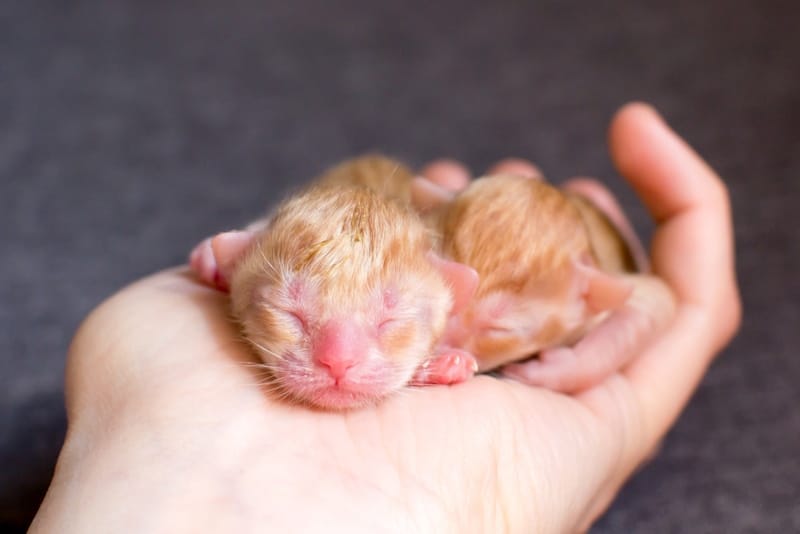
They’re only this small once, so enjoy it while it lasts and set up a strong foundation for a happy cat and a strong bond for years to come!
Featured Image Credit: Krissi Lundgren, Shutterstock

Expert cat care, straight to your inbox
Vet-reviewed advice, behavior tips, and the best of Catster. Free, and you can unsubscribe anytime.
By signing up, you agree to our Terms & Conditions and Privacy & Cookies Policy.
Adam is a seasoned freelance writer and passionate animal lover who has dedicated years to rescuing countless animals. With a decade of experience as a freelance writer and an even longer history of animal rescue, he has honed his skills in both fields. Adam is also a proud father of three and thrives on challenges and new adventures.
Join the conversation
Ask a question, share your story, or send private feedback.