Russian Blue Cat Breed: Info, Pictures, Temperament & More
In this article
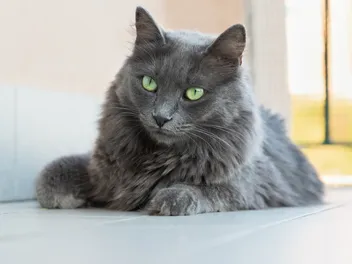
The Russian Blue cat is a striking feline with pale blue fur and distinctive emerald-colored eyes. They are known for their affectionate personality and various desirable traits that make them a favorite among many cat owners. If you are contemplating owning a Russian Blue cat, this article is for you.
Breed Overview
Height:
Weight:
Lifespan:
Colors:
Suitable for:
Temperament:
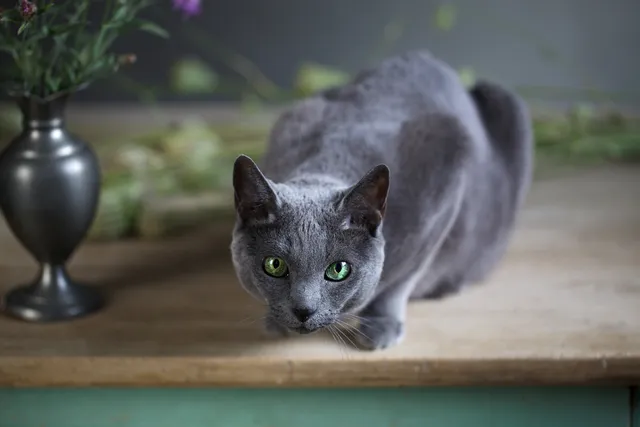
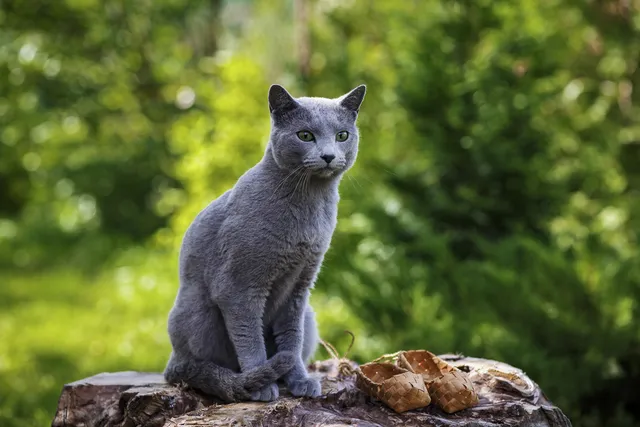
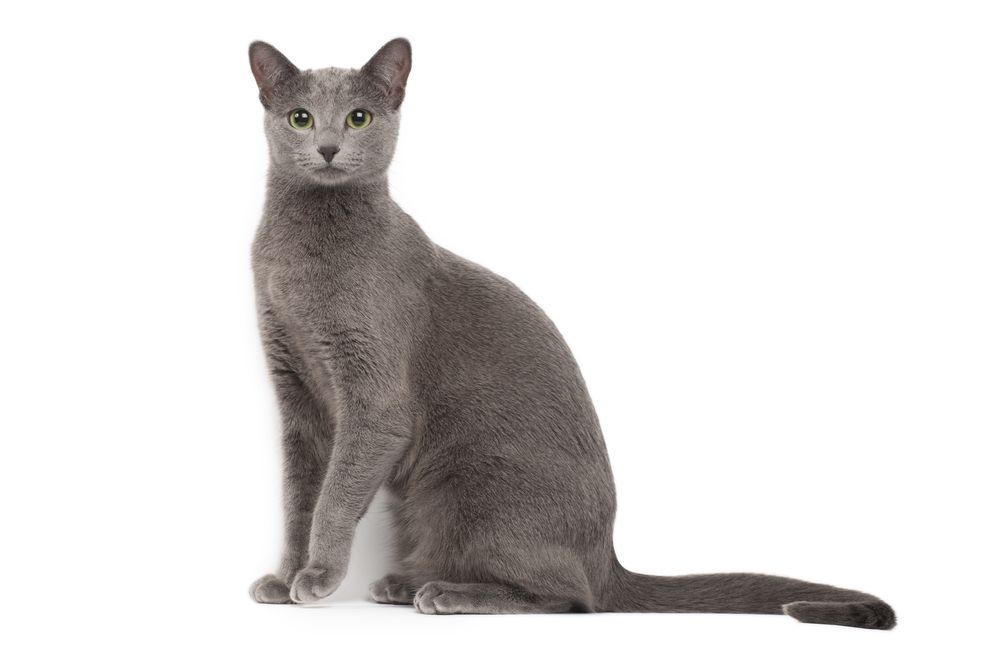
Russian Blue cats, also known as Archangel Blues, are purebred felines with a unique appearance. They are medium-sized with an average height of 8 to 10 inches and a weight of up to 14 pounds. They stand out with their mesmerizing eyes, elegant build, and shimmering blue coats.
The Russian Blue cat is naturally curious and intelligent, making them easy to be trained and housebroken. They make great pets for families and feline-loving individuals alike, so caring for a Russian Blue cat is a rewarding experience.
Russian Blue Cat Characteristics

Russian Blue Kittens

Russian Blue kittens are incredibly playful and energetic. They will spend most of their time playing and sleeping, so they need plenty of toys to keep them entertained. You can begin training Russian Blue kittens by the time they are about 8 weeks old.
This is a good age to also start socializing your Russian Blue kittens and allowing them to adjust to other pets and different environmental stimuli. If you get your Russian Blue kitten from a reputable breeder, it is likely they have already received the basics of early socialization. However, the kitten's training and socialization should continue once you bring them home. Furthermore, the kitten should have received the necessary medical procedures before coming home with you.
If you do not want to purchase your Russian Blue kitten from a breeder, adoption is a good route to go. You would only need to pay the adoption fee for the kitten, which usually costs less than if you were to purchase one from a breeder.
Temperament & Intelligence of the Russian Blue Cat 🧠
Russian Blue cats are affectionately described by their owners as loyal, social, and loving. However, they can be fairly independent and not very cuddly at times. Russian Blue cats are generally more friendly toward their owners and form close bonds. They can be reserved for strangers and even hide when guests arrive.
Russian Blue cats may take a while to bond with new people, so it is best to be patient when socializing and bonding with them. These devoted felines are highly intelligent and can be easily trained with the right methods. Their high intelligence also makes it important to provide them with plenty of mental stimulation to prevent boredom.
Are These Cats Good for Families? 👪
Russian Blue cats make excellent pets for families with older children and other friendly dogs or cats. Despite being wary of strangers, they are a relatively social and friendly cat breed. Russian Blue cats do not mind sharing their home with older children who understand the cat's boundaries of being handled or played with. They are also perfect for families with seniors and those who live in apartments or other small homes.

Does This Breed Get Along With Other Pets? 🐶🐱
Russian Blue cats could get along with other friendly pets like cats or dogs. This is possible through early socialization with other pets in a comfortable environment. However, this does not guarantee that other pets will automatically get along with a Russian Blue cat. If another pet in the home provokes them, it might make them fearful of interacting with that particular pet again.
Since Russian Blue cats are naturally predatory animals, giving them access to rooms with small pets such as birds or hamsters is not a good idea. Any small pets should be kept in a secure cage and in a separate room that your Russian Blue cat cannot enter.

Things to Know When Owning a Russian Blue Cat
Food & Diet Requirements 🐡
As with most felines, Russian Blue cats are obligate carnivores. Their primary diet should consist of animal-based foods, such as poultry or beef. Their diet must contain all the necessary vitamins, minerals, and amino acids required for cats. Arginine and taurine are two essential amino acids that cats get from animal tissues in their diet. Russian Blue cats will accept most types of cat food, whether it is canned, kibble, or raw.
Some Russian Blue cats prefer certain types of foods over others. This could be influenced by any health conditions and texture or taste preferences they have. If your Russian Blue cat is under 1 year old or considered a senior, then a diet formulated for those life stages could be worth offering.

Exercise 🐈
Exercise is important for Russian Blue cats, as it may help with their weight management and prevent boredom. Russian Blues can easily become bored if they are not offered much exercise or toys to play with. You would need to dedicate about an hour of your day to play and interact with your Russian Blue.
Not only does this entertain them, but it also allows you to bond with them. Exercising a Russian Blue usually involves giving them new toys to play with and allowing them to explore your home or secured yard safely. Toys and interactive games that engage a Russian Blue’s instinct to hunt and chase are great forms of mental and physical exercise.
Training 🧶
Most Russian Blue cats are eager to be trained and to learn new things. However, sometimes their independent personalities can make it difficult for them to respond to training at first. You should stick with consistent and positive training methods to keep your Russian Blue cat interested. They can be both house and litterbox trained or taught to follow basic verbal commands.
Grooming ✂️
Russian Blue cats have relatively undemanding grooming requirements thanks to their short, manageable coats. You generally only need to brush them once or twice a week using a slicker brush or hand grooming mitt. Their coat should be brushed in the direction of the hair growth to catch any loose hairs and keep it looking smooth.
Aside from brushing, you will also need to keep your Russian Blue’s nails trimmed. This can either be done yourself, by a cat groomer, or at a veterinary checkup. It is not necessary to bathe Russian Blue cats regularly unless encouraged by a veterinarian. Russian Blues prefer grooming themselves, and bathing them with harsh shampoos might be irritating to their skin and coat.

Health and Conditions 🏥
Although the Russian Blue is a relatively healthy and robust breed, they can still suffer from various health conditions.
Male vs. Female
The most noticeable differences between male and female Russian Blue cats are their hormonal behaviors and reproductive issues. Unneutered male cats usually spray urine more than females to mark their territory. They may try to escape the house to mate with female cats in the neighborhood, which might result in yowling and restlessness if they cannot. This type of behavior is also seen in unspayed female cats during heat.

3 Little-Known Facts About the Russian Blue Cat
1. Russian Blue Cats Are Allergy Friendly (Kind Of)
Russian Blue cats tend to shed slightly less than other breeds, making them a better choice for people with minor allergies.
2. These Cats Are A Rare Gem in North America
Russian Blue cats are very rare in North America, so most reputable breeders have a waiting list.
3. Believe It or Not, They Come from Russia
These cats are believed to have originated from a northern part of Russia called “Arkhangelsk.”

Final Thoughts
Russian Blue cats are striking felines with their green eyes and low-shedding, plush blue coats. They are purebreds with possible origins from northern Russia. The nature of the Russian Blue cat's personality means they are not the most welcoming of cuddles, and they can be relatively independent.
They do not mind being on their own but can also be loving and sociable toward their owners. It is normal for Russian Blue cats to be wary of unfamiliar guests and animals, but early socialization can help them become comfortable around them quickly.
See also: How Long Do Russian Blue Cats Live?
Featured Image Credit: Kirill Vorobyev, Shutterstock
Expert cat care, straight to your inbox
News, insights, and useful advice, delivered to you.

No spam — unsubscribe anytime.
By signing up, you agree to our Terms & Conditions and Privacy & Cookies Policy.
How useful was this post?
Click a star to rate. You can leave written feedback afterwards. (We read all feedback.)

Sarah Psaradelis is an avid young writer with dual passions for literature and animals. She enjoys sharing knowledge of animal care and helping others. Sarah has over 8 years of writing experience and is currently studying veterinary science. She resides in South Africa where she takes care of fish, aquarium snails, dogs, and rodents. Sarah is a passionate vegan activist and animal rescuer pursuing her path to make the world a better place for humans and animals alike.