Pixie-Bob Cat Breed: Info, Pictures, Temperament & Traits
In this article
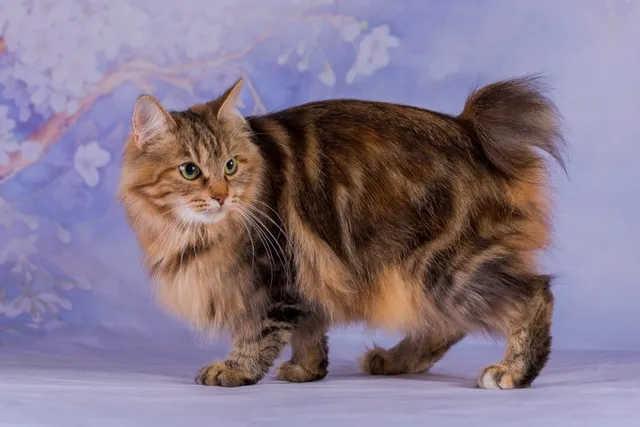
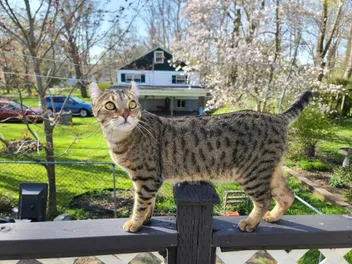
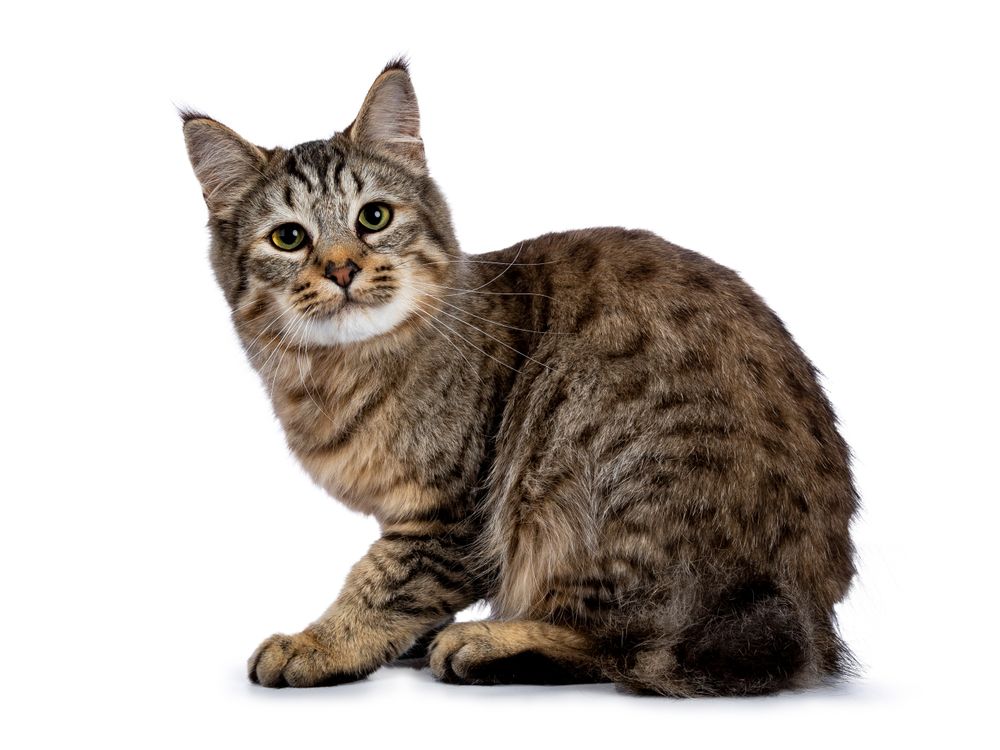
You may think that the Pixie-Bob cat came right out of the wild. Everything from their coloration to their pattern and little bobtail screams exotic. Even though there is no bullet-proof evidence of a bobcat father, breeders say it's pretty likely that they have genuine bobcat DNA.
Breed Overview
Height:
Weight:
Lifespan:
Colors:
Suitable for:
Temperament:
Regardless, the Pixie-Bob cat has the wildcat's features without the wildcat personality. These fierce-looking kitties are classic house cats at heart. So, if you want an exceptionally personable and strikingly untamed-looking cat, learn more about the beautiful Pixie-Bob cat.
Pixie-Bob Cat Characteristics

Pixie-Bob Kittens
Pixie-Bob kittens are known to be affectionate, social, and easygoing. They enjoy human interaction and easily adapt to routines. While they love to play, they aren’t too energetic, making them great companions for families, seniors, and non-active individuals. Their intelligence and curiosity allow them to be easily trained, and early socialization helps them grow into well-behaved and healthy adult cats. These kittens are born with their signature bobbed tails and may even have extra toes, a unique breed trait that’s known as polydactylism. They can take up to four years to reach their full adult size.
If you're looking to bring home a Pixie-Bob kitten, it's important to find a reputable breeder. Ethical breeders will generally provide health checks and ensure the kittens are well-socialized and healthy before adoption. When bringing home a Pixie-Bob kitten, create a comfortable space with cozy beds, scratching posts, and stimulating toys to keep them entertained. Also, check with your vet to choose the best kitten food for your Pixie-Bob.

Temperament & Intelligence of the Pixie-Bob 🧠
Pixie-Bobs may have an intimidating feel because of their size and appearance. But these cats are actually quite calm and laid back. They have a moderate level of intelligence with a favorable attitude, making them ideal for family companions.
You might assume that because these cats have wild roots, they're a bit feisty or independent. But that couldn't be further from the truth. The Pixie-Bob cat loves lounging around the house, leisurely napping, and requesting snacks.
They are the type to catch onto new concepts quickly. Pixies don't have energetic personalities, but they are attentive and alert. Even as kittens, they are gentle and relaxed. That isn’t to say they won't be playful! They will enjoy chasing toys and sharpening their claws, too.
Are These Cats Good for Families? 👪
Pixie-Bobs work well for practically any cat-loving family. They fit in very well, quickly getting attached to their humans. These cats also don't pick favorites as much as some other breeds. They tend to love everyone and will never turn away chin rubs.
Since Pixie-Bob cats have such a calm demeanor, they're very patient with children. As kittens, they don't mind being carried or coddled—so they are excellent selections if you're growing your numbers. Acclimate your Pixie to children early on, so they don't shy away from children when they are fully grown.
Pixie-Bobs also work very well for seniors or retired couples since they don't have a high energy level and are very affectionate. They can stay in a studio apartment or a mansion—it won't matter. Your Pixie will be perfectly happy in practically any living space.
Because these cats are so agreeable, they will likely deal with change well. If you have to move homes, they will get used to things quickly. If you bring home a family addition, the results are the same. They don't take long to warm up.

Does This Breed Get Along with Other Pets? 🐶🐱
Pixie-Bobs integrate very well into multi-pet households. They respond very well to other animals and love to play and snuggle, too. You might find them playing hide and seek with the family dog or sunbathing in a window with another kitty.
They are even accepting of newcomers. So, once they're fully grown, you won't have an issue bringing home another playmate. They might take a second to feel out the situation, but once they realize it's a new buddy—they'll be all about it.
It would be best to never leave your Pixie around smaller animals unsupervised. These kitties don't have an intense prey drive, but that doesn't mean they wouldn't take advantage of a situation if they had a chance. Keep all caged animals in their cages and keep the lids on your aquariums when your Pixie is around.

Things to Know When Owning a Pixie-Bob
Food & Diet Requirements 🐡
While Pixie-Bob cats don't require any special dietary needs, you should offer a recipe high in protein. All cats are obligate carnivores who require adequate levels of protein to keep their muscles and skin healthy.
Because Pixie-Bobs may get much larger than traditional house cats, appropriate bone growth is very important. It would help if you always bought a nutrient-rich diet that covers your growing feline's health requirements. When in doubt, ask a vet about specifics.
You can provide a wet, dry, or combination diet. It's really up to your discretion, and your cat's taste palette. Dry kibble provides a delicious crunch that keeps their teeth healthy, while wet food provides a stable hydration level. Cats are notorious for not pushing enough fluids, so the broth in wet food can help that issue.
If you want to get creative and try homemade cat food, there are plenty of recipes all around the web. However, you will want to double-check with a veterinarian to ensure that every ingredient is suitable for your cat. You don't want to miss any key elements that could upset the natural gut balance.
Exercise 🐈
Pixie-Bobs are heavy-boned, muscular cats who are athletically capable but not hyper. They also love, love, love their food. With big appetites, they may gain a little extra weight if they aren't exercising as they should.
Pixie-Bobs aren't overly active cats, but they should take care of most exercise needs independently. They don't mind playing by themselves if they have to, so they won't bug you too much about joining the fun.
In total, a Pixie-Bob should get an average of 15 to 20 minutes of exercise per day to stay their healthiest.
As kittens and adolescents, this shouldn't be hard to achieve—and they will likely get much more time in. However, as they age or once they're fixed, their desire for play can decline. Always make sure to provide your Pixie-Bob with lots of toys or activities of their choice to encourage movement.
Training 🧶
Pixie-Bobs should be straightforward to train since they are so pleasant and reactive. Proper socialization and early positive reinforcement can come in handy for teaching. These cats care very much about their humans, even though they have an undeniable stubborn streak.
In the case of a Pixie-Bob, the earlier you start training, the better. If you are patient and consistent, you will yield results much faster. They don't respond well to harsh discipline.
Simple concepts like litter training should come very naturally to your Pixie-Bob. After a few introductions, they should be going on their own with no motivation. Thankfully, litter training comes very naturally to our feline friends.
If you find your Pixie-Bob is having a little trouble figuring things out, try to restrict space so they can get better acquainted with the box. If they use it, leave their waste in the litter for a little bit, so they remember where they need to use the bathroom. It should be a cinch.
Grooming ✂️
Pixie-Bobs have very thick coats and shed frequently. They're shedding worsens seasonally, meaning when the weather changes—so does their coat’s thickness.
For optimal coat softness and minimal shedding, brush your kitty weekly—and maybe twice a week during high shedding times. These kitties are very good about self-care, so hygiene shouldn't be a problem—they'll likely take care of the bulk of it for you.
You should rarely have to bathe your Pixie-Bob cat since they do this on their own. But if you notice they're a little grimy or get dirty, you can wash them—no more than once a month—to maintain a healthy coat.
Aside from basic coat care, you will need to clean their ears and brush their teeth regularly. Sometimes, their claws could use a little trim, too. Always make sure to offer scratching posts or stations to prevent your Pixie from sharpening their claws on your furniture.
Health and Conditions 🏥
Pixie-Bobs are eventually healthy cats, and it's no wonder. Coming from a barn cat and bobcat, you're bound to have a hardy makeup.
Even though they shouldn't rack up huge vet bills, you need to be prepared for anything. You can get ahead of certain issues if you take them to regular veterinary checkups.
Male vs Female
There are some distinct differences between male and female Pixie-Bobs—mostly physically. Males can get exceptionally larger than females. The ladies tend to weigh roughly 8-12 pounds, whereas the boys can top out at 25 pounds or more!
Both males and females sexually mature around 4-5 months old. Once the hormones kick in, your cat may spray if they smell a potential mate or sense a threat. Even though both genders have this capability, it's more prevalent in males.
To reduce the risk, try to spay or neuter your Pixie-Bob before 6 months of age. No guarantee getting your cat fixed will solve the issue, but it tends to help.
Females are usually better hunters, where most males are a little laxer about these instincts. Males may be slightly more lovable than females with a bigger group of people—even strangers. Females might be a little more selective but are still more amiable than other breeds.
3 Little-Known Facts About the Pixie-Bob Cat
1 Pixie-Bobs Are Known for All Sorts of Interesting Sound Effects
Pixie-Bobs make all sorts of noises like chirping, growling, and chattering. While they make all of these vocalizations, they don't meow often.
2. Pixie-Bobs Had an Unexpected Beginning
No one is 100% sure that Pixies are part bobcat, but professionals say it's pretty likely. These cats came from an unexpected litter between an unknown father and a barn cat named Pixie in Washington. The look and temperament caught on quickly.
3. All Pixie-Bobs Are Born With Bobtails
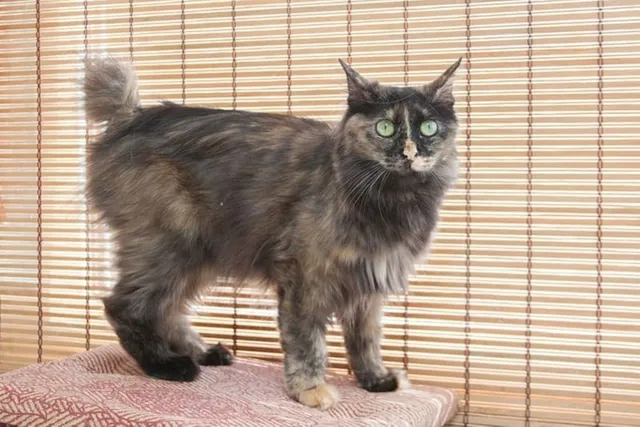
Because of selective breeding, all Pixie-Bobs are born with adorable stubby tails which is one of the features that makes this feline so unique.
Final Thoughts
If you love the natural look of the bobcat but want the personality of an average housecat, these kitties are just what you're looking for. They may be a bit expensive initially, but they are well worth the investment. Pixies have favorably long lifespans, terrific personalities, few health concerns, and effortless grooming needs. Who could ask for more?
If you're still interested in a Pixie-Bob, make sure to buy from a licensed breeder or adopt from a local rescue.
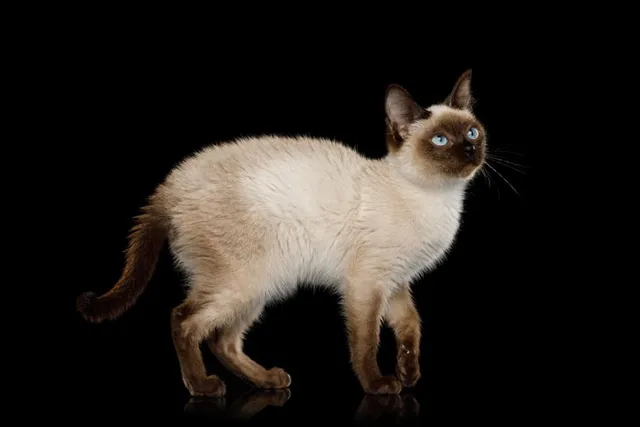
Featured Image Credit: Nynke van Holten, Shutterstock

Expert cat care, straight to your inbox
Vet-reviewed advice, behavior tips, and the best of Catster. Free, and you can unsubscribe anytime.
By signing up, you agree to our Terms & Conditions and Privacy & Cookies Policy.

Christian started writing for a local newspaper as a teenager, and he's been involved in the publishing industry for most of his adult life. Combining his love of writing with a passion for animals, he is currently the Director of Editorial at Pangolia and the Editor-in-Chief at Catster.
Christian lives in the Philippines with his wife, son, and four rescue cats: Trixie, Chloe, Sparky, and Chopper.
Join the conversation
Ask a question, share your story, or send private feedback.