Cat Acne: Causes, Signs, and Treatment


In this article
If you have ever noticed small bumps along your cat’s mouth, it could be feline acne. Although it might seem strange that a cat could have acne, it does happen and might be more common than you think.
Cat acne does not always appear as the large, red bumps generally seen on humans. Some cat owners might confuse cat acne for dirt before they release it could be a disorder. If you are interested in learning more about cat acne, then this article is for you.

What Is Cat Acne?
The scientific name for cat acne is follicular keratinization, which hints at what this disorder is about. It is sometimes called feline acne or chin acne but refers to the same thing. Cats generally develop acne when their hair follicles become blocked by an overproduction of keratin.
Keratin is a natural protein found in your cats’ claws, fur, and skin. The excess keratin trapped in the follicle develops into blackheads or open comedones, which explains the black bumps you often see. In more severe situations, the comedones can become infected and form uncomfortable pustules.
Despite being common amongst felines, cat acne isn’t very well understood. Researchers are not yet sure of the exact causes of cat acne, but it is generally not a serious disorder. Some cats may have frequent acne flare-ups, while others only get it once or twice in their life. It is common for cat acne to form on their chins and sometimes along the sides of their mouths.
What Are the Signs of Cat Acne?
Common signs your cat may have acne include:
- Blackheads along their mouth/chin
- Missing fur around the affected area
- Visible red or black bumps in the affected area
- Pustules
- Crusty lesions
- Itchiness
- Irritation
- Inflammation
Visible Signs
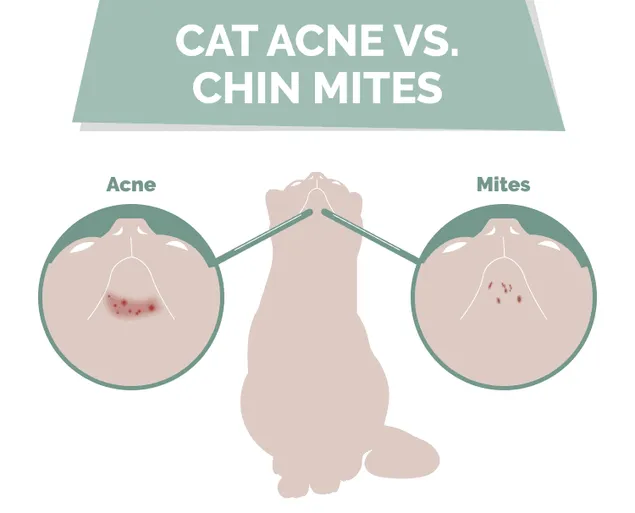
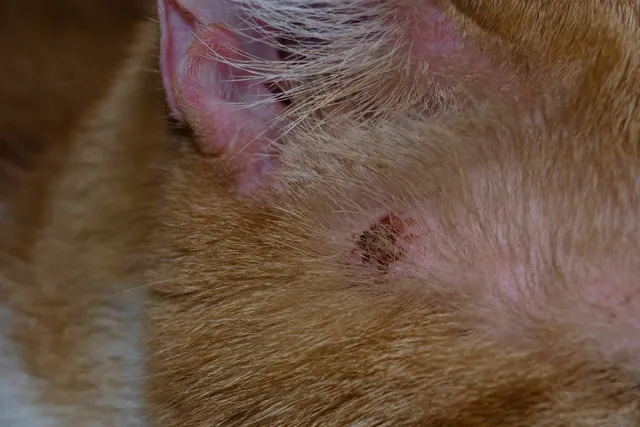
The first visible signs of cat acne are tiny black open comedones along the chin and lips. It could appear as if your cat had rubbed their chin in dirt or food. The affected area usually has hair loss, and the inflamed follicles produce folliculitis. Red and swollen pustules can form if the blackheads become infected. As the pustules burst or fuse (furunculosis), it can cause painful crusty lesions to form.
Behavioral Signs
Although cat acne is mainly superficial, you might notice slight changes in their behavior too. Cat acne can be itchy, which might cause your cat to rub the affected area to alleviate the itchiness. Furthermore, the pustules or crusty lesions can be painful, and your cat might react to those areas being touched. Some cats could struggle to eat from food bowls since the rims could irritate the acne and cause pain.

What Are the Causes of Cat Acne?
Any cat breed can develop acne regardless of their age. This is true for both intact and sterilized (spayed or neutered) felines. Although the exact cause of cat acne is unknown, experts suggest it could be related to abnormal follicular keratinization. This simply means that the cat's body produces an excess of keratin which blocks the hair follicles and forms comedones.
The reason your feline could have follicular keratinization may stem from a seborrheic disease that causes an overproduction of sebum. Other possible causes for cat acne could be allergies, infections, or poor grooming habits. Some experts list stress and poor immune function as a potential cause of cat acne too. There is a slight possibility that hormonal imbalances might cause cat acne, because it may cause skin allergies or infections.
If your cat has blackheads caused by abnormal follicular keratinization, dirty or rough food, and water bowls might aggravate it. This can cause the blackheads to become infected, resulting in painful pustules and irritation.
How Do I Care for a Cat with Acne?
This section will cover the treatment required for cat acne and how you can care for your affected feline.
Treatment
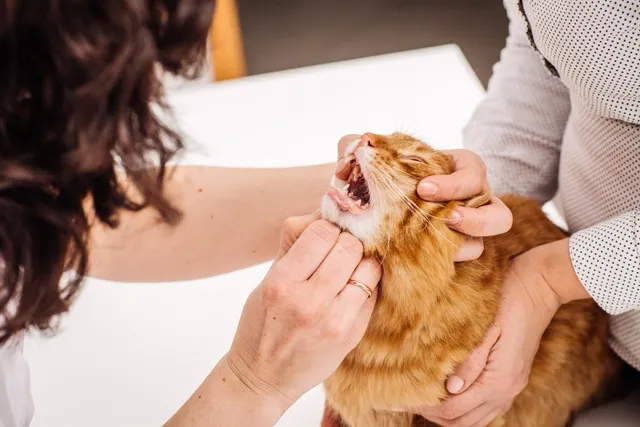
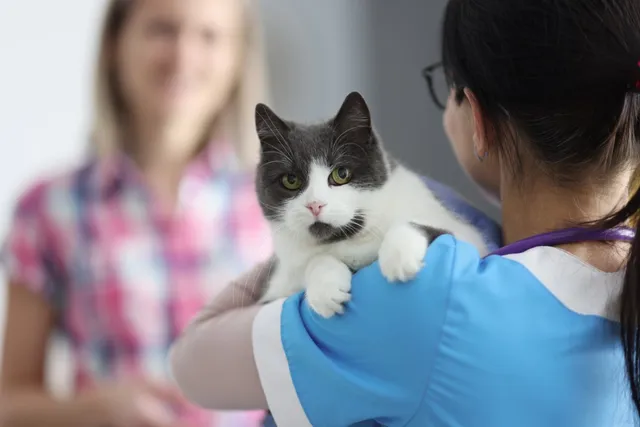
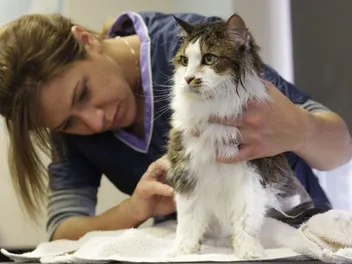
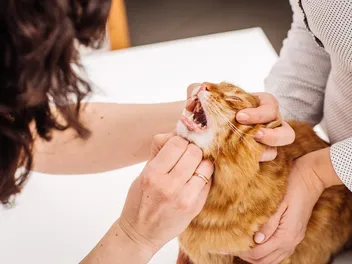
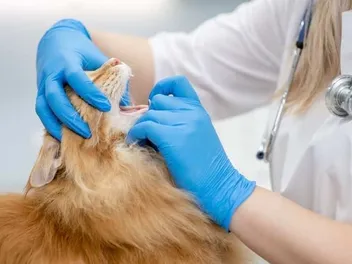
The first step to caring for a cat with acne is to book a veterinary appointment. The vet will diagnose your cat based on clinical signs, and a suitable treatment plan will be discussed from there. It’s important for the vet to first rule out other medical issues that could mimic cat acne, such as mange or indolent ulcers. They may run different tests such as skin cultures, blood, or urine tests if necessary.
Once your cat is diagnosed with acne, the treatment plan will depend on how severe the situation is. If the acne is mild and in the blackhead stages, the vet might recommend topical treatments or medicated shampoos. However, severe cat acne requires more intensive treatments such as injectable, oral, or topical antibiotics. Common antibiotics used to treat cat acne usually contain mupirocin as an active ingredient. More severe cases may require corticosteroids to reduce inflammation and medications with isotretinoin.
At Home
A vet will give you specific aftercare instructions to care for your cat at home. It generally involves keeping the affected area clean. You should follow the correct medication dosages if your cat has been prescribed an antibiotic. Apply any topical ointments to your cat’s acne as instructed by the vet.
Another way you can care for your cat is to keep their food and water bowls clean. If they use plastic bowls, you might want to look into replacing them with glass, stainless steel, or ceramic options. Try washing their bowls at least once a day using pet-safe soap.
Frequently Asked Questions (FAQ)
1. Why is cat acne black?
When a cat’s hair follicles become clogged with excess keratin or sebum, a comedone forms. The ones we see around our cat’s mouth are open comedones that have been exposed to air. The dark brown to black you see is oxidized keratin or sebum.
2. Is cat acne painful?
Cat acne can become painful if the open comedones become infected. The pustules can ooze pus and create sore crusty lesions. Since cat acne can be painful and uncomfortable for your cat, it is important to ensure they get the necessary treatment.

3. Does cat acne go away on its own?
In some cases, cat acne might go away on its own. However, there is a chance that the comedones can become infected and be painful for your cat. You should still follow the appropriate treatment plan from a veterinarian.
4. Is cat acne contagious?
No, cat acne is not contagious to other animals or humans. If one of your cats has acne, you do not need to worry about it being contagious to your other cats or pets in the home. There is no risk of contracting cat acne if you touch it. However, you should still wear medical-grade gloves when touching the affected area to be hygienic.
Conclusion
Cat acne is a common disorder that can affect almost all cats. While the exact causes of cat acne are unknown, the open comedones that we see are likely caused by excess keratin or sebum trapped in hair follicles. Cat acne can range from mild to severe depending on whether the open comedones become infected and pustules form.
Treating cat acne involves topical or oral antibiotics, sterilizing wipes, and regularly cleaning their food and water bowls.
Featured Image Credit: Melissa Tate, Shutterstock
Expert cat care, straight to your inbox
News, insights, and useful advice, delivered to you.

No spam — unsubscribe anytime.
By signing up, you agree to our Terms & Conditions and Privacy & Cookies Policy.
How useful was this post?
Click a star to rate. You can leave written feedback afterwards. (We read all feedback.)
Sarah Psaradelis is an avid young writer with dual passions for literature and animals. She enjoys sharing knowledge of animal care and helping others. Sarah has over 8 years of writing experience and is currently studying veterinary science. She resides in South Africa where she takes care of fish, aquarium snails, dogs, and rodents. Sarah is a passionate vegan activist and animal rescuer pursuing her path to make the world a better place for humans and animals alike.