Fleas & Ticks on Cats: A Guide for Each Region in the US (Vet Approved)

In this article
Fleas and ticks are a common problem for cats, especially outdoor cats. However, indoor cats can still be affected by them. Therefore, all cat owners will benefit from having a basic understanding of these pesky pests and being knowledgeable about effective preventative measures.
Fleas and ticks can be a year-round issue, but they have different active periods that depend on weather and temperature. So, different regions in the United States will have slightly differing flea and tick seasons. We’ll provide a helpful overview of flea and tick seasons in each region, along with useful tips for flea and tick prevention.

What Is Flea & Tick Season?
Fleas and ticks are resilient pests that can affect your cat at any time of the year. So, it’s important to be vigilant and take appropriate preventative measures to protect your cat and home from an infestation.
While fleas and ticks can affect your home year-round, there are some parts of the year when they’re more prevalent. Flea and tick season refers to times of the year when these pests are most active, and pets are at higher risk of an infestation.
In general, fleas and ticks prefer warmer weather, and their populations start to thrive in late spring to early summer. They’ll become less active as the weather cools and usually enter dormancy in the late fall or early winter. This is prone to variation depending on weather patterns as well. Unusually warm winters can mean that these parasites are present earlier than normal, or even year round in regions where this previously was not the case. Therefore, the following is a general guide only.

Flea & Tick Season by Region
Since flea and tick activity is affected by temperature, different regions will have varying flea and tick seasons.
West Coast
Due to its temperate climate, the West Coast and Pacific Northwest have a year-round flea and tick season. States included in this category are California, Oregon, and Washington.
Rocky Mountains
States in the Rocky Mountains region have slightly varying flea and tick seasons. For the most part, states that have colder winters have flea and tick seasons that start in March and end in November. Nevada is the exception and has a year-round flea and tick season due to its warmer climate.
Southwest
Like the West Coast, Southwestern states have year-round flea and tick seasons. However, the northern regions of New Mexico and Oklahoma often see a lull in activity around December.
Southeast
For the most part, the Southeastern states have year-round flea and tick seasons. Some of the northern states in this region, such as Tennessee, North Carolina, and Kentucky, have shorter flea and tick seasons that range from March to December.

Midwest
Most Midwestern states have flea and tick seasons that start in March or April and end in November or December.
Northeast
The Northeast’s flea and tick season begins in April and usually ends in late November or early December. Some of the southern states in this region, like Pennsylvania, can have their seasons start earlier in March.
Noncontiguous (Alaska and Hawaii)
Despite having a reputation for being the coldest state, Alaska still has a flea and tick season. It’s shorter than most other states and lasts from May to October. Hawaii is the opposite and has a year-round flea and tick season.
Flea and Tick Prevention for Cats
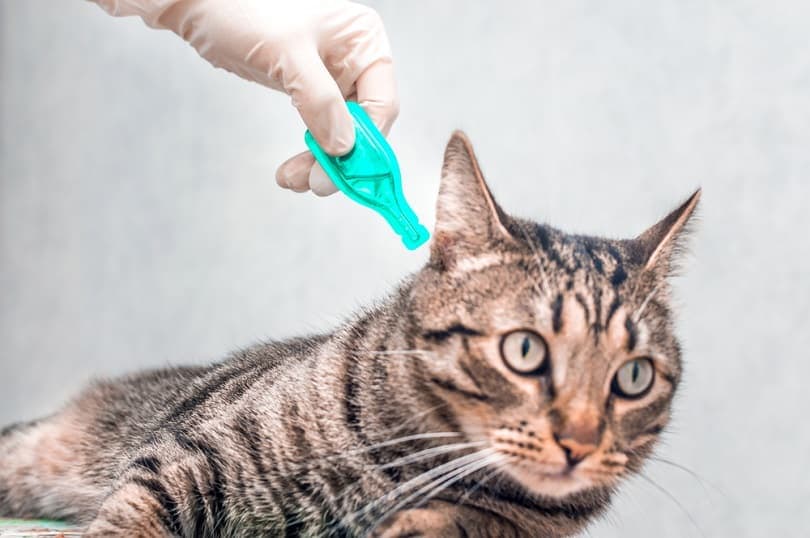
There are several things you can do to protect your cat from fleas and ticks. First, it’s important to stay on top of giving your cat preventative flea and tick medication as prescribed by your vet. Preventative flea and tick medications come in the form of tablets, collars, and topical treatments. They work to kill fleas and ticks, and some can also repel or prevent pests from attaching. Since there are different kinds of flea and tick medication, it’s important to consult your veterinarian to determine what type and dosage will work best for your cat.
You can also protect your home through routine cleaning. Vacuuming your carpets and washing your cat’s bedding can reduce the likelihood of an infestation. Maintaining your lawn adds additional protection to your home. Fleas prefer shaded, humid areas, so it’s helpful to mow your lawn regularly and avoid overwatering your plants. Make sure to rake and pick up any leaves and other debris on your lawn. Since fleas and ticks can attach to small rodents, take active measures to keep them away from your home. All waste bins should have secure lids. Sweep your floors regularly to clear away clutter and dust that small animals can burrow into and hide.
Can Indoor Cats Get Fleas and Ticks?
Even indoor cats aren’t completely safe from fleas and ticks. Fleas and ticks can enter the home in several ways. Fleas, in particular, are jumpers and can jump heights of about 20 centimeters. Therefore, they can climb up windows and get through doors fairly easily.
Sometimes, you can track fleas and ticks in your home after spending some time outside, especially if you’ve been in your yard or are returning from a hike or camping trip. Fleas and ticks can stow themselves in articles of clothing or your luggage and latch onto your cat. If you live with multiple pets and have a dog, your dog may transfer fleas to your cat after going on a walk. Visitors to the house may also bring unwanted guests.
How to Treat Fleas
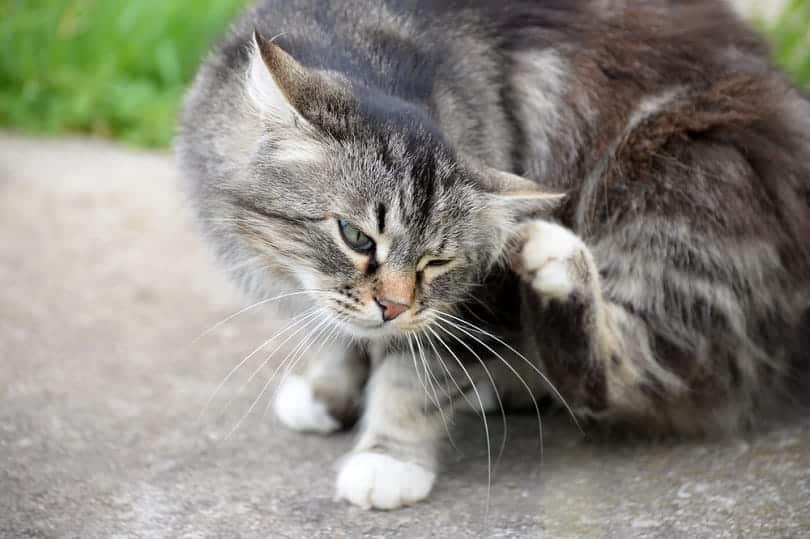
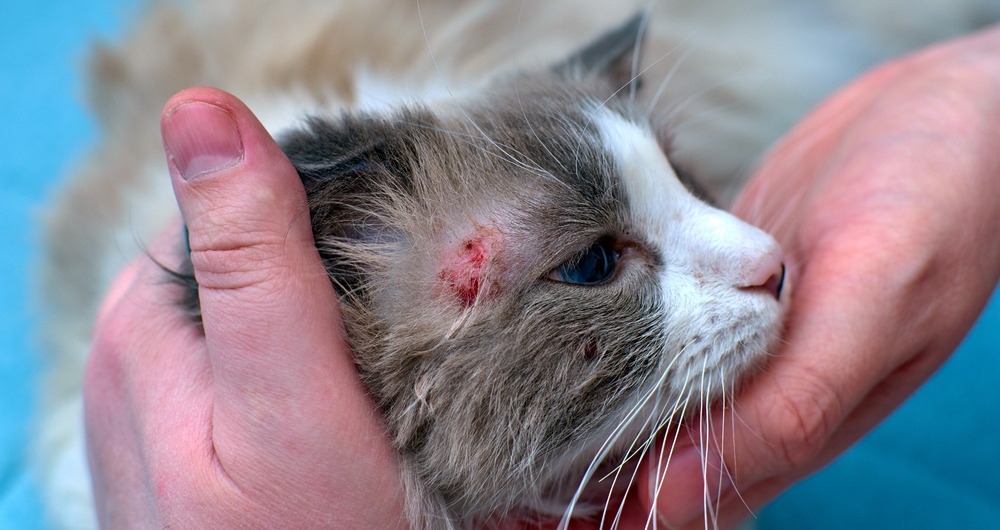
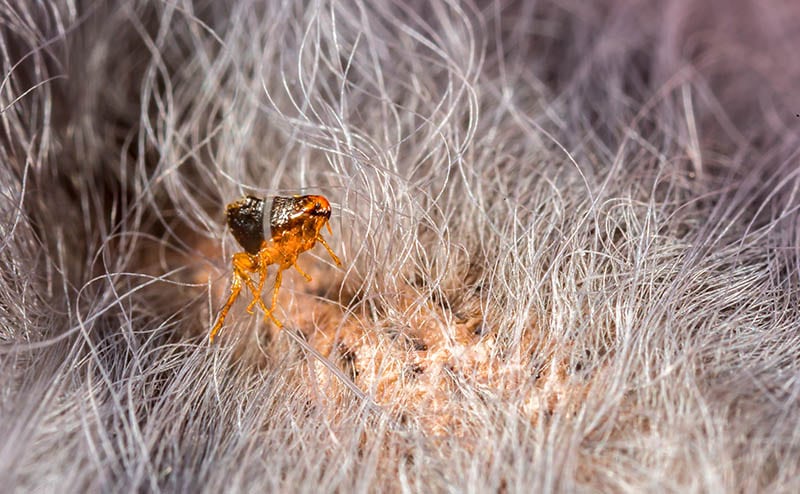
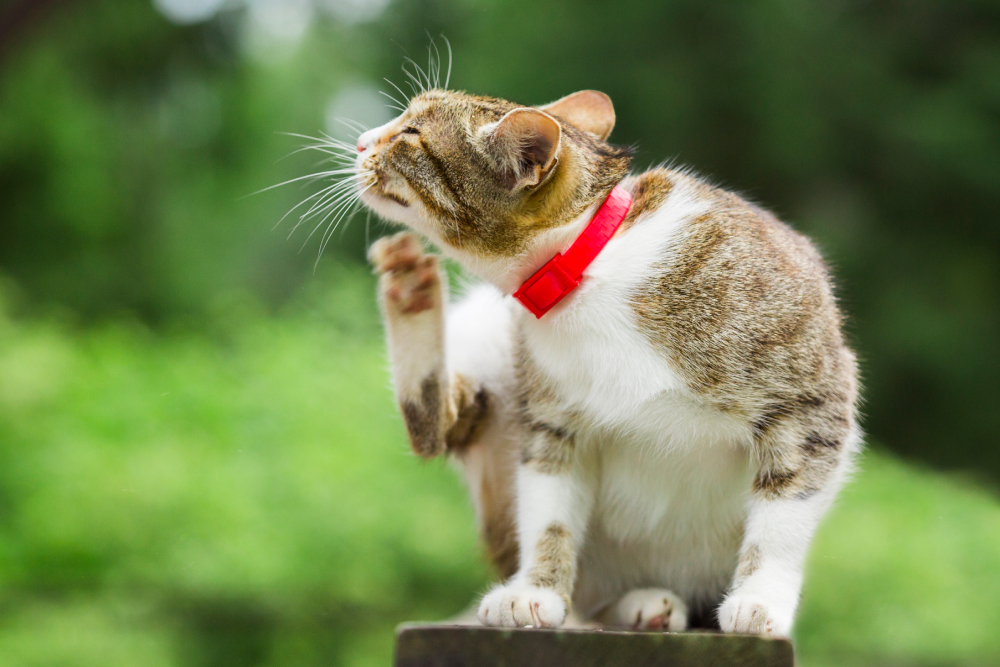
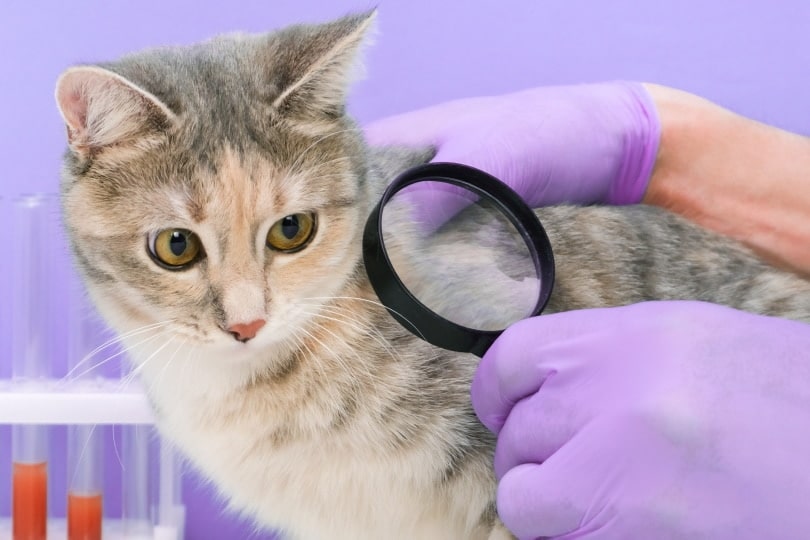
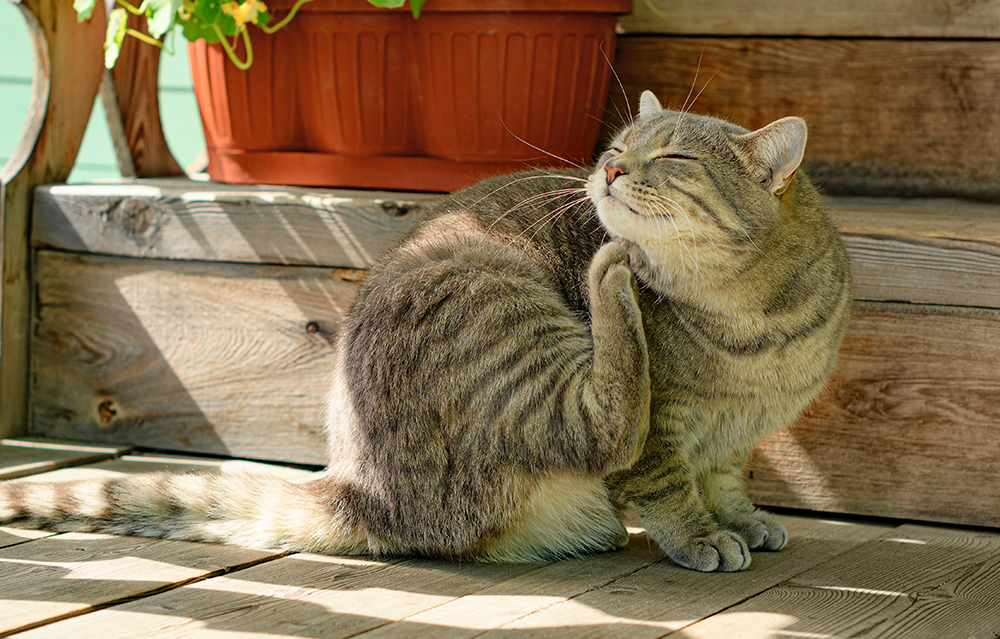
Flea infestations can grow and take over a house very quickly, so it’s important to act fast. Fleas can be difficult to spot at first, and observing your cat’s behavior can help you determine if your cat has fleas. You may notice excessive scratching, biting, and licking from your cat, and they may act more agitated or aggressive due to the skin irritation. You’ll sometimes see flea bite marks on their skin and might notice flecks of brown flea waste, or flea dirt, when you come through your cat’s coat. Cats can also experience hair loss and develop rashes or scabs.
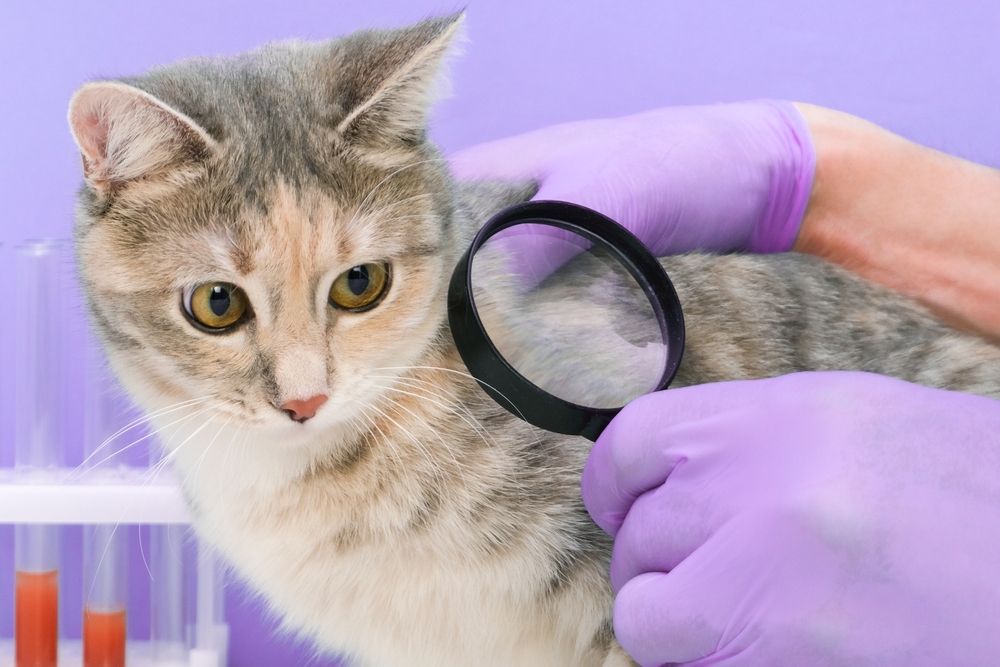
Let your veterinarian know that your cat has fleas and ask if they have any recommendations for itching, if needed. Along with medicated treatment, you can help your cat by using a fine-toothed comb to pick up any flea eggs and flea dirt.
Make sure to wash your cat’s bedding and other fabrics your cat has contacted. This includes your clothes, blankets, and pillowcases. Vacuum your floors and apply pet-safe flea insecticide according to the product instructions. Keep washing, vacuuming, and checking on your cat’s coat regularly to fight and eliminate the flea infestation in your home.

How to Treat Ticks
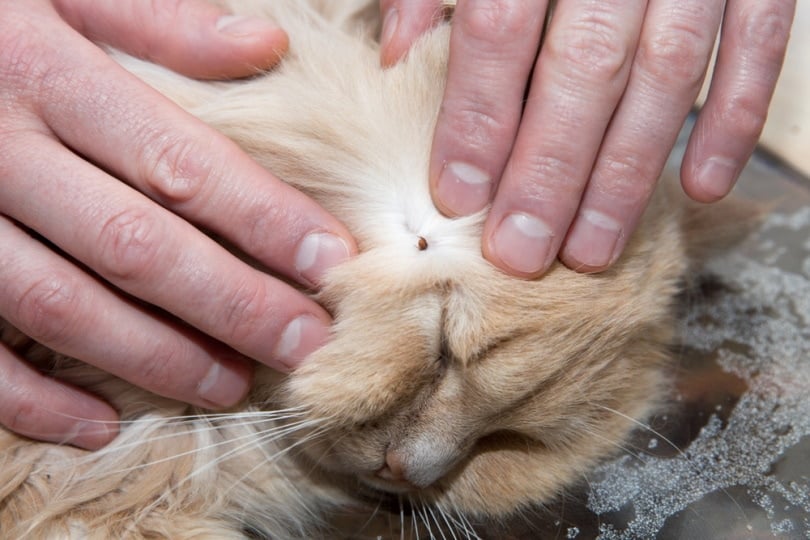
If you find a tick attached to your cat’s body, make sure to currently remove and dispose of it. Since ticks carry various infectious agents, use disposable gloves to protect yourself from contracting a transmittable disease.
Use fine-tipped tweezers or a tick removal tool to detach the tick from your cat’s skin. Try to get as close to the surface of your cat’s skin as possible to reduce the risk of detaching the tick’s head from its body. Work slowly and patiently to lift and remove the tick. If you are not certain how to do this, bring your cat to the vet for proper removal. Once you’ve removed the tick, place it in a container and contact your vet. Sometimes your vet may want to send the tick off for identification.
Make sure to disinfect the tick bite area on your cat and wash your hands thoroughly. Don’t forget to sanitize whatever tool you used to remove the tick.
Conclusion
Flea and tick prevention is an essential part of cat care. Having an effective plan will significantly lower the risk of your cat contracting many transmissible diseases associated with fleas and ticks.
Knowing when flea and tick season starts and ends in your state can help you develop an effective prevention plan for your cat. It’s also helpful to consult your veterinarian to determine what kinds of products will be useful in keeping fleas and ticks from attaching to your cat.
Featured Image Credit: IRINA ORLOVA, Shutterstock

Expert cat care, straight to your inbox
Vet-reviewed advice, behavior tips, and the best of Catster. Free, and you can unsubscribe anytime.
By signing up, you agree to our Terms & Conditions and Privacy & Cookies Policy.
Jessica is a freelance writer who spends most of her day researching and writing while her fluffy Cavapoo, Nora, naps beside her. She loves and appreciates pets and animals because there’s so much to learn from them, and they do so much for people. As a dog owner, she understands the special connection that pet owners form with their pets. She loves sharing helpful information that people can use to better understand their pets. When she’s not writing, you can find her walking dogs, tending to her plant babies, or drinking her nth cup of coffee.
Join the conversation
Ask a question, share your story, or send private feedback.