15 Common Household Hazards for Cats & Vet-Approved Safety Tips


Cats can be incredibly curious, and many seem to have the remarkable ability to find new ways to get in trouble. Pets thrive when they're free to investigate and explore with enthusiasm, but you must ensure they play in safe places that are free of dangerous products and hazards that could make them sick and send them to the veterinarian.
The easiest way to create a safe environment for cats is to identify the products that can cause problems and remove them or find ways to ensure pets can't get to them. Keep reading to learn more about 15 common household hazards for cats.

The 15 Common Household Hazards for Cats
1. Candles

Cats have trouble avoiding objects that interest them, like flickering candles. They can easily wind up with scorched whiskers or burned noses after coming too close to flames. Cats can also start a fire if they accidentally knock over a candle that’s not well secured.
Cats also have sensitive respiratory systems that may find the smells associated with scented products overwhelming and even irritating if there isn’t sufficient ventilation.
If you are concerned about the health and well-being of your pet, seek veterinary advice for the best course of action.
2. Electrical Cords
Cats love to explore the world with their mouths and are notorious for licking and biting items they're interested in learning more about. Some cats find electrical cords particularly interesting, leading them to take the occasional nibble.
Playing with plugged-in electrical cords can be dangerous if cats strip the outer protective covering. Unplugging appliances when they're not in use and putting protectors around cords can keep cats from getting unpleasant jolts, burns, and surprises.
3. Long Thin Items

Cats can become sick if they ingest long, thin objects, such as yarn or thread. These things can get stuck in their gastrointestinal tracts and cause abdominal blockages. While some string can pass through cats' bodies, it's particularly dangerous when they don't.
Removing the string often requires surgery. Items that commonly cause these sorts of issues include rubber bands, hair ties, and tinsel. Selecting cat-safe decorations and putting yarn away immediately after use can help keep cats safe at home.
4. Cleaning Products
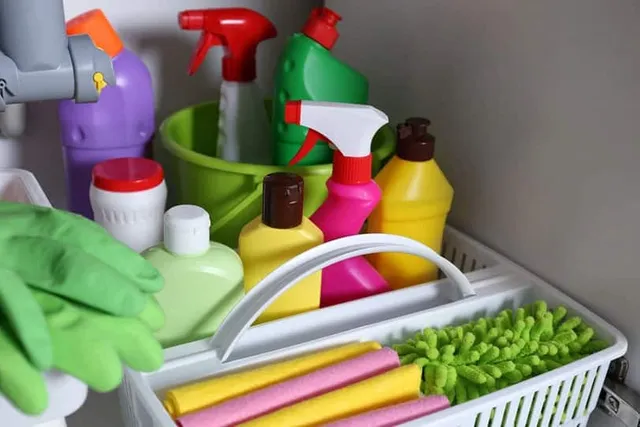
Commercial cleaning products can contain ingredients that are toxic to cats. Exposure to ammonia, bleach, rubbing alcohol, and phenols can make them sick. Ammonia is commonly found in products such as window and bathroom cleaners and some types of stain removal products.
Multipurpose and bathroom cleaners often contain bleach, and phenols can be found in laundry detergents and disinfecting products. Rubbing alcohol, also known as isopropyl alcohol, is in hand sanitizers.
Cleaning while cats are engaged in other areas can minimize their exposure to toxic cleaning products, and storing the chemicals in secure cabinets is vital.
5. Human Foods

Human food is unsuitable for cats to eat, but some items can make them seriously ill. Products such as caffeine and chocolate are entirely off the feline menu, as is alcohol of any sort.
Fresh and powdered garlic, onions, and chives can cause cats to become sick and should be avoided. Grapes and raisins are also on the list of toxic foods for felines. Dishes prepared for people contain lots of salt, sugar, and fat that cats don't need and add calories that can result in them consuming far more than they need to remain slim and trim.
6. Plants
Plants bring fresh air and life to indoor spaces and create inviting environments to live and work in, but there are several species that are best suited for homes without feline residents as most plants prove too enticing to cats who can’t help but nibble them.
Lilies and sago palms are particularly problematic if cats ingest them, and it’s best to remove them and other hazardous species to ensure cats stay safe. Other plants that aren't great choices include mistletoe, holly, amaryllis, and even tulips. Cats with sensitive stomachs can become sick after nibbling on non-toxic plants, so it's a good idea to keep greenery in inaccessible areas.
7. Essential Oils

Essential oils are concentrated extracts used in alternative medicine and aromatherapy. They're also added to products people use every day, such as cleaning solutions and air fresheners.
Cats don't have the liver enzymes to efficiently break down essential oils, and exposure to small amounts can be hazardous. Particularly problematic choices include citrus, peppermint, pine, wintergreen, and tea tree oils.
Essential oils can cause issues when inhaled, ingested, or absorbed through the skin. Kittens and cats with liver problems have more trouble dealing with the products than healthy adult pets.
8. Prescription and Over-the-Counter Medications
Common human over-the-counter medications that can cause cats serious problems include products such as ibuprofen and acetaminophen. Prescription items, including some antidepressants and many stimulant medications prescribed for conditions such as ADHD, can send cats to the veterinarian. Human vitamins and dietary supplements often contain concentrated ingredients that can be harmful to cats. Even vitamin supplements can be problematic as cats can overdose on iron and vitamin D.
9. Personal Care items

Human personal care products such as conditioners, lotions, shampoos, and toothpaste may contain ingredients that aren't suitable for cats. Human shampoos and conditioners are harsh and can dry out and damage their skin.
Zinc oxide-based products like sunscreen and calamine lotion can upset cats' stomachs if ingested. Products like toothpaste contain fluoride, which is toxic to pets. Using cat-friendly shampoos, fur-care products, and toothpaste can keep cats looking good and ensure they stay healthy.
10. Antifreeze
Antifreeze is a hazard that can kill cats with stunningly small amounts. Its active ingredient, ethylene glycol, is also frequently added to de-icing products and some types of solvents and paints.
Antifreeze has a sweet taste that can attract a cat’s interest. Because of this, it's critical to immediately clean up drips and spills to ensure their safety. Ingestion can result in kidney failure and even death if not promptly treated.
11. Permethrin in Canine Anti-Flea Products

Cats are particularly vulnerable to the effects of permethrin-based flea treatments; the ingredient is included in some topical anti-flea products specifically intended for dogs. Cats' livers can't efficiently remove permethrin from their bodies, which can make them sick. Not only should flea products for dogs never be used on cats, but kitties should also stay away from dogs who have recently received a permethrin-containing anti-flea treatment. Signs of permethrin poisoning can emerge anytime from a few minutes to a few days after exposure.
12. Glow Sticks
Cats can experience intense reactions if they get into glow jewelry or sticks, which are common around holiday celebrations such as Halloween and the 4th of July. Exposure to glow jewelry’s active ingredient, dibutyl phthalate, causes cats to drool and use their paws to scratch at their mouths.
Vomiting can ensue if a cat ingests enough or has a sensitive stomach. Keeping glow sticks away from your cat and ensuring guests and kids don’t leave them out can prevent an adverse reaction and trip to the veterinary clinic.
13. Paints and Varnishes

Exposure to paints and varnishes can make cats sick. They can be exposed to the products if they get a bit on their fur and ingest it while trying to clean themselves. Particularly sensitive cats can develop breathing problems after inhaling paint fumes in places where there’s not enough fresh air.
They can also end up eating flaked chips that have fallen on the floor, which can be problematic in the case of lead paint. Latex paints sometimes have ethylene glycol and can make cats sick if they consume enough. Oil-based paint can cause cats to have gastrointestinal problems if consumed.
14. Plastic Bags
Plastic bags pose hazards to cats, particularly since many are attracted to the crinkly noises and interesting smells from grocery bags. Pets can get stuck in the handles of the bags and end up suffocating while trying to free themselves.
They can also end up with part of the bag stuck in their digestive tract if they consume it.
15. THC
TCH is the active compound in cannabis, and it’s toxic to cats. Homemade baked goods with cannabutter can be more dangerous if they include other ingredients cats shouldn't eat, such as chocolate. Cats have several CB1 cannabinoid receptors, which makes them sensitive to the effects of marijuana and other THC-based items
Conclusion
Several household products can cause life-threatening reactions in cats, including prescription and over-the-counter medications, essential oils, human foods, and plants. Items such as rubber bands and yarn can cause abdominal blockages, and electrical cords can electrocute cats. Storing hazardous items in areas inaccessible to cats and using child safety locks to secure cabinets can keep kitties safe.
See also:
Sources
Featured Image Credit: Olga Smolyak, Shutterstock
Expert cat care, straight to your inbox
News, insights, and useful advice, delivered to you.

No spam — unsubscribe anytime.
By signing up, you agree to our Terms & Conditions and Privacy & Cookies Policy.
How useful was this post?
Click a star to rate. You can leave written feedback afterwards. (We read all feedback.)
Lorre Luther is a writer who is firmly convinced that cats are smarter than humans. She left her law career in the United States and moved to the Netherlands to follow her dream of becoming a writer. Lorre currently lives in Rotterdam, she enjoys traveling and greatly appreciates the beauty of nature. Lorre has a spot for animals and admires the intelligence of cats.