9 Ways You Can Help as a Cat Shelter Volunteer (Vet-Reviewed)

In this article
When you want to make a difference in an animal’s life but aren't ready to adopt one for yourself, there are still many ways to help those in need. From feeding community cats to volunteering with local rescues, love and time are the only investments needed to make an impact. Let’s explore some unique ways you can help your cat shelter as a volunteer.

The 9 Ways You Can Help as a Cat Shelter Volunteer
1. Supply Homemade Cat Treats and Toys
Sometimes, you can help your local shelter without leaving the comfort of your home by engaging in your other passion—baking! If your local shelter accepts treats for their cats, you can discuss an approved assortment to make at home.
Alternatively, you can test your arts and crafts acumen with homemade cat toys, beds, blankets, scratching posts, and much more.

2. Feed, Clean, and Socialize the Cats
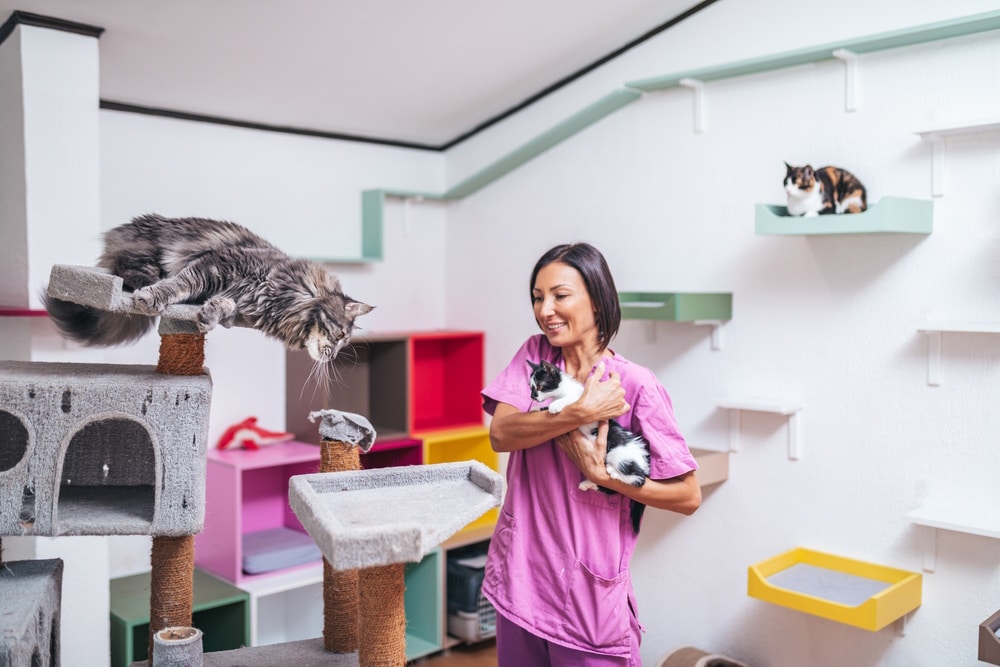
While there are many ways to use unique skills to benefit your local cat shelter, your simple presence is more than enough. Shelters need help in several areas, such as:
- Cleaning cages
- Replacing litter
- Doing laundry
- Filling and cleaning water and food bowls
- Washing dishes
- Socializing with the pets
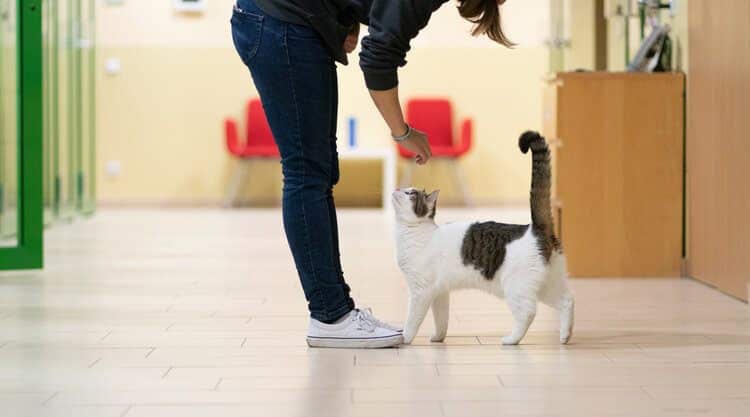
Many volunteers also provide enrichment, offering time to comfort, play with, or groom cats. Cats need this socialization to reduce stress, improve relationships, and become comfortable with handling and care routines. By playing with them, you can positively impact the cats’ daily lives while boosting their chances of a successful adoption.
3. Host a Fundraiser
Cat shelters rely on donations to fund their operations. Individual donations are always appreciated, but you can increase your impact exponentially with a fundraiser. Partner with your local shelter, or go rogue to find creative ways to raise money.
Fundraising in your community will broaden your relationship with neighbors and give your kids a chance to help. Lemonade stands and lawn mowing services are always fun. Or you could make it a family affair with a seasonal yard sale to put together a sizable donation. Supply drives are equally valuable, and cat shelters will likely tell you the equipment they need the most.
4. Boost the Shelter’s Online Presence
If you’re an up-and-coming web guru, your local cat shelter can provide the perfect venue to hone your skills. Shelters rely on volunteers to help them wherever they have a presence, whether in a brick-and-mortar shelter or an online arena. You can play your part from your home office by managing the shelter’s social media pages or website.
Helping with your cat shelter’s social media activity and website layout will make them more visible and advance their reputation. In the long term, that will improve awareness in the community and, hopefully, bolster their adoption rates.
Meanwhile, you can benefit professionally by adding the success story to your resume. For someone breaking into the industry, it’s an easy way to get real-world experience and a meaningful addition to the portfolio.
5. Foster Cats
If you have an accommodating home, you might consider helping your local cat shelter by fostering a cat. Fostering opportunities provide relief to overburdened shelters and give cats consistent socialization.
You'll play a vital role in helping them thrive when they find their forever homes. You may even find the perfect pet for your house in the process!

6. Provide Photography Services
First impressions can make or break a cat’s chances of adoption. Shelters always look for photographers to show off their pets, grab attention, and push potential pet parents toward adoption. Alongside the cats, photographers also take pictures of staff and events to give the community an inside look at the operations.
7. Act as an Adoption Consultant
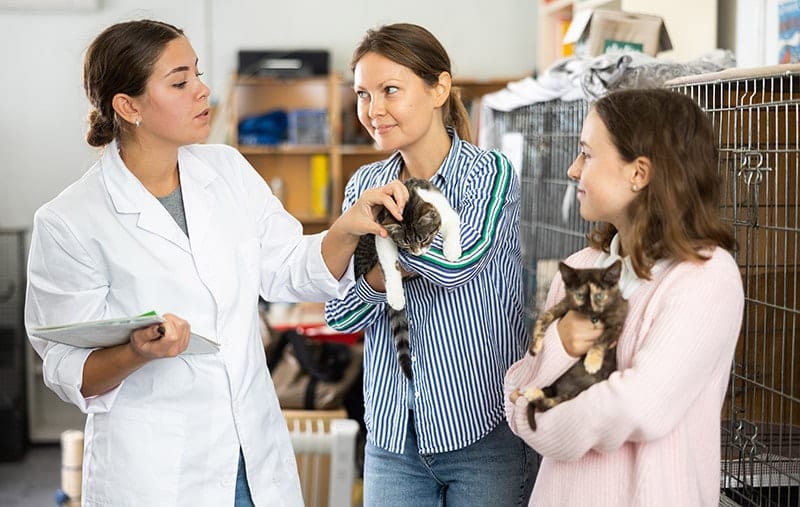
Adoption consultants perform a crucial role for shelters in the adoption process as the bridge between the shelter cats and hopeful adopters. Individuals in this role need interpersonal skills, professional phone manners, and critical thinking to pair the perfect cat with the right owner.
Adoption consultants educate owners on available pets and policies surrounding adoption. They answer questions, assist with administrative tasks, and monitor interactions between pets and people to confirm the fit.
In some cases, consultants transport pets. Due to the responsibility, people in these positions need more extensive training than the average volunteer and must be 18 or older.

8. Advocate for the Shelter
Although local governments typically don’t supply funding to animal shelters, they dictate the laws surrounding their operations and often manage animal control services (e.g., trap-neuter-release) that tie directly to the shelter system.
You can serve your local shelter by staying abreast of legislation that might affect them. Advocating for animal rights at town meetings and with local officials can help you further the cause.
9. Grant Writing
Grants from the government and charitable organizations play a significant part in a cat shelter’s funding. But before securing grants, shelters need to explain why they deserve them. Several organizations apply for limited grants. Each must make the most compelling argument possible to win the grant maker’s decision.
Shelters rely on experienced grant writers who can craft a specific outline of how they will use the funds and what they will accomplish. Writers must be savvy wordsmiths with excellent research skills. For someone needing experience in PR/marketing, grant writing for a cat shelter offers a way for newcomers to add to their portfolio.
How Old Can I Be to Volunteer?
Cat shelters typically need volunteers to be at least 16 years old (or 18, in some instances). Some allow supervised youths as young as 10 to assist in limited capacities. If you meet the age requirements, you must still fill out an application to assess your fit. Children may, in some cases, need a parent’s or a guardian’s approval before being allowed to volunteer at a shelter.
Applications are typically easy to fill out online. Shelters use this information to match you to potential roles and process criminal background checks. An interview and introduction to the shelter finish up the process.
Before you can start working, you’ll take training classes on cat handling, shelter policies, and any administrative tasks you’ll need to know. Depending on the organization, you may have to pay a small fee (usually under $50) for uniforms and other related expenses.
Which Cat Shelter Volunteer Position Is Right for Me?
Cat shelter volunteers can take up jobs in nearly any organizational area. In many cases, volunteer roles tap into professional skills, such as graphic design, web design, writing, sales, and event planning. But to start, it only takes a love of cats and a desire to help get your foot in the door as a cat caretaker, cage cleaner, or play buddy.
Consider your physical fitness alongside your skills. During the application process, you’ll account for illnesses or limitations that may keep you from doing particular tasks. Due to the risk of transmitting diseases, you’ll also need updated shots and possibly protection gear if you work directly with cats.
Beyond the work involved, you must consider your weekly time allotment. Fortunately, many shelters only ask you to invest 1–2 days (or even only a few hours) per month to become a volunteer.
The best way to find the best position at your local shelter is to go to their website and choose “Get Involved” or “Volunteer” in the menu. Fill out an online application and supply as much detail as possible about your skills, schedule, and preferences.
Final Thoughts
Research your local cat shelter today to discover the many ways you can help them provide vital services to community animals. Shelters depend on volunteers and will be happy to work with your schedule if it means getting the assistance they need. When you have specific skills to contribute, you can contact the shelter directly to discuss unique ways to promote and care for local cats in need.
Related Reads:
Featured Image Credit: Mila Supinskaya Glashchenko, Shutterstock

Expert cat care, straight to your inbox
Vet-reviewed advice, behavior tips, and the best of Catster. Free, and you can unsubscribe anytime.
By signing up, you agree to our Terms & Conditions and Privacy & Cookies Policy.
Nicole is a lover of all animals, especially of the feline variety. She's mom to four, three fur babies and a human baby. She and her husband, John, live on a large forest property down in New Zealand.
Their beautiful Burmese cat Baby (who is now 17 years old) was their first child, though he is now called Baby Cat since their human baby joined the party in 2022. The dogs Rosa and Mac also love cats, but the whole family agrees that King Baby Cat is enough cat for this household.
Nicole is the Director of Content Management at Catster and Pangolia. With a Bachelor's degree in Education and years of online experience, she shares her pet knowledge and the knowledge of other professionals with the world, aiming to improve pets and pet parents' lives.
Join the conversation
Ask a question, share your story, or send private feedback.