Anatolian Cat: Info, Pictures, Traits & Facts
In this article
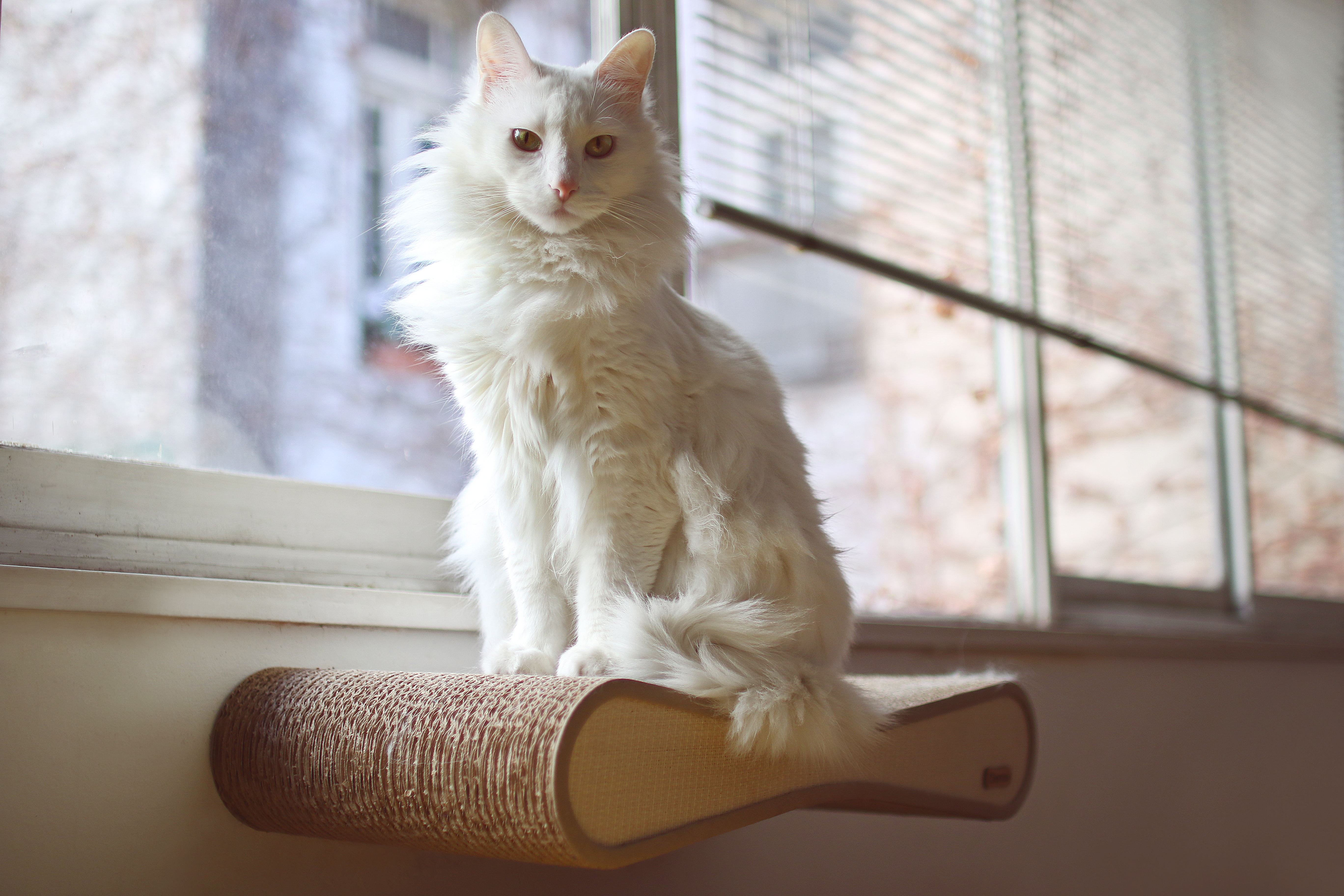
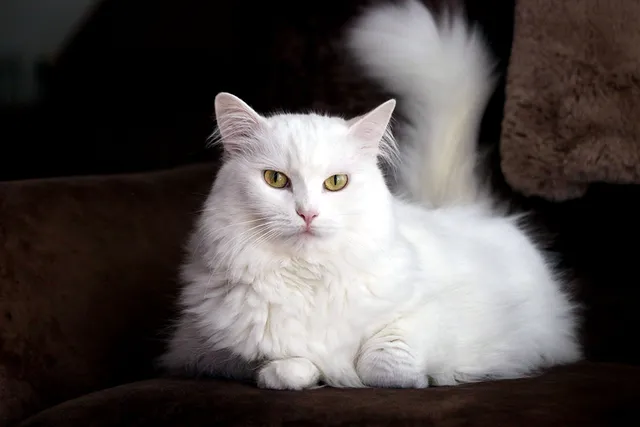
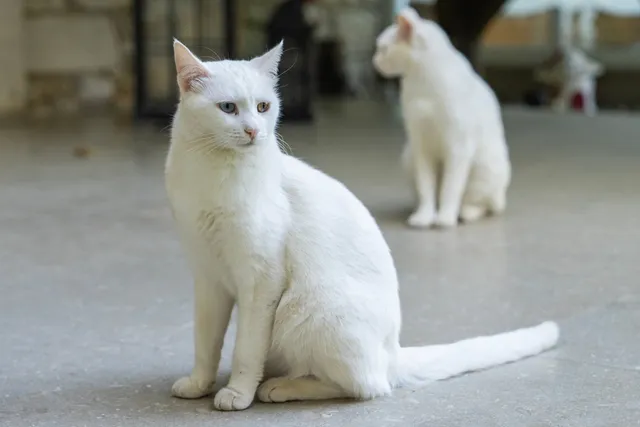
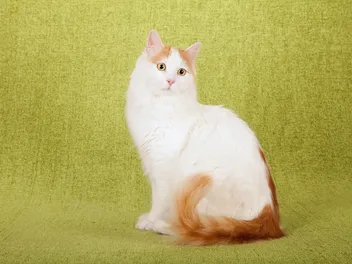
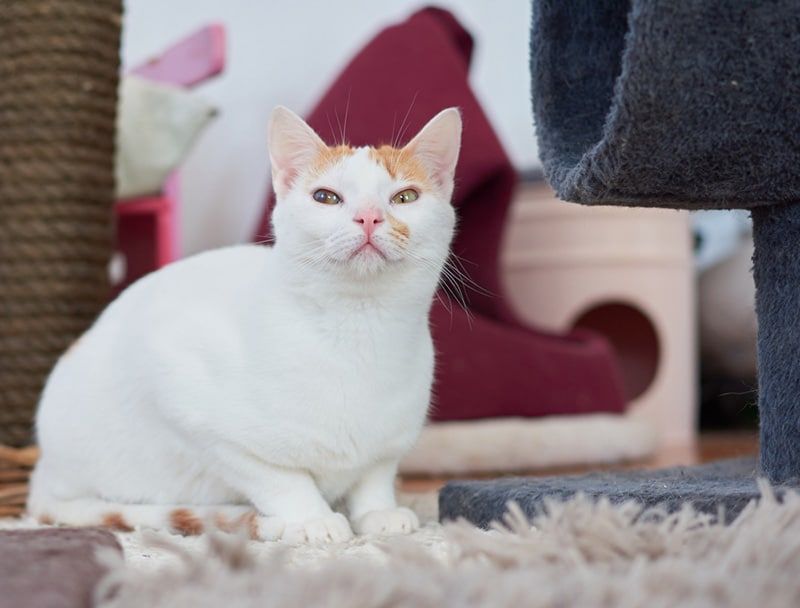
The Anatolian cat breed isn’t that well-known, particularly in North America. They are also called the Anatoli, the Turkish Shorthair, and the Anadolu Kedisi. The Anatolian cat is a naturally occurring breed that originated in Turkey and is often mistaken for the longer-haired Turkish Van.
If you want to learn more about the beautiful Anatolian, we have a great deal of interesting information about this cat, so keep reading!
Breed Overview
Height:
Weight:
Lifespan:
Colors:
Suitable for:
Temperament:
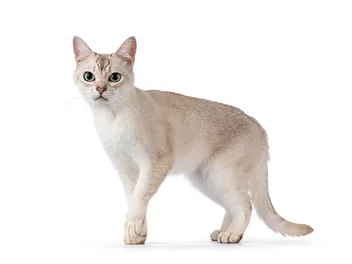
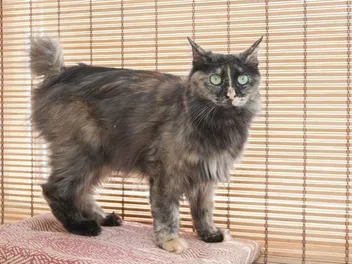
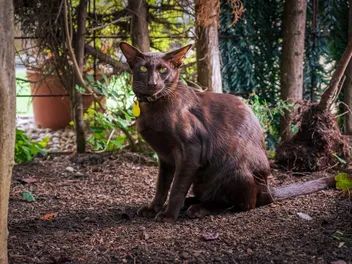
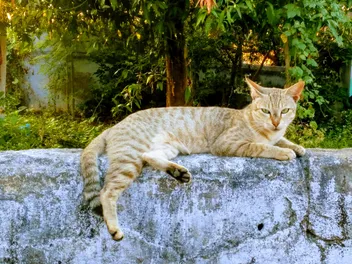
The Anatolian is an active, playful cat that is essentially a shorthaired Turkish Van, which helps explain why they are sometimes confused for that breed. The Anatolian cat is descended from the European Wildcat from the Anatolia region of Turkey. They are a natural breed, which means there has been no human interference in their breeding.
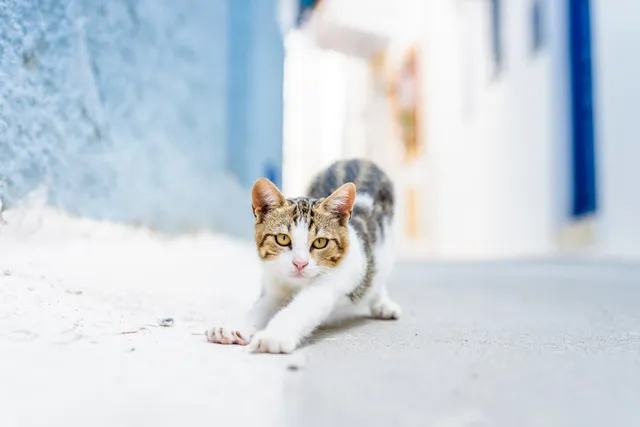
They are medium to large in size and come in various natural colors. They tend to be white with splashes of other colors, such as tortoiseshell, red, and blue. They can also be tabbies in red, brown, black, and cream.
Anatolian Cat Characteristics

Anatolian Kittens

Finding an Anatolian kitten outside of Europe will be a challenge! This breed is not common in North America, so finding a reputable breeder will prove tricky.
You can start by searching online and posting your interest in this cat on social media. If you can find a Turkish Van breeder, ask them if they know of anyone who breeds the Anatolian. They might be able to point you in the right direction. If you do find a breeder, be sure to ask them many questions. Since the Anatolian is a natural breed, the breeder should be trying to preserve this.
Be aware that kittens should not be available for adoption until they are 12 to 14 weeks old. Kittens are weaned from their mothers by 8 to 10 weeks of age, and after that, they learn fundamental lessons on how to cat from their mothers and siblings.
We normally recommend adopting a cat from a shelter or rescue group, but the Anatolian's rarity makes this nearly impossible.

Temperament & Intelligence of the Anatolian Cat 🧠
Anatolians are intelligent, friendly, playful, and affectionate with their families. They have their calm moments and will enjoy a nice cuddle on your lap, and other than purring, they are known to make chirping sounds.
When not napping, they’ll likely be seen streaking around the house with boundless energy. You might even find them jumping and perching on your shoulder at times.
Are These Cats Good for Families? 👪
Absolutely! Their energetic, playful natures make them excellent companions for children. They are also sometimes called “gentle giants” because even with all that energy, they know when to be calm, particularly around children.
Does This Breed Get Along With Other Pets? 🐶🐱
The Anatolian gets along well with other pets, including dogs. Things will go much smoother if your Anatolian is raised alongside your other pets and is socialized well. But in general, these cats get along with just about everyone.

Things to Know When Owning an Anatolian Cat
Food & Diet Requirements 🐡
Feeding the Anatolian is not any different from feeding any other cat. Of course, what you feed your cat depends on their age and activity level, so your Anatolian will need high-quality food designed for an active, medium to large cat.
Cats are notorious for not being the best water drinkers, so consider providing your cat with a water fountain, which will help encourage them to drink more.
Exercise 🐈
Anatolians are active cats known to do a great deal of running and jumping. In fact, their hind legs are notably longer than their front ones, so they can jump higher than many other cats.
You’ll need to provide them with a variety of toys, such as interactive ones for when they are alone and teaser wands for one-on-one playtime. A few catnip toys are also good!
You’ll need to invest in a cat tree and consider installing cat shelves, all of which will help your cat get plenty of exercise.

Training 🧶
Training any cat is possible but can also be challenging! Cats are independent-minded, so if they don’t see any reason to follow directions, they’ll just continue doing what they want—which is why we love them!
Anatolians are smart enough for training, and they love their people, so you can likely train them successfully.
Grooming ✂️
Grooming Anatolians is quite easy: They are shorthaired with no undercoat, so they will only need brushing once a week or so.
Beyond brushing, you’ll need to stay on top of trimming their nails, and they should also have access to a cat scratcher. Finally, you’ll need to keep up with brushing your cat's teeth, but if your cat is less than willing, try something like dental treats.

Health and Conditions 🏥
Since the Anatolian Cat is a natural breed, they are not predisposed to myriad health conditions most other purebred cats are susceptible to.
That said, there are a few conditions that the Anatolian might inherit, including hearing loss if they are white with blue eyes.
Male vs. Female
The physical differences between male and female Anatolian Cats are relatively minor. The males tend to be larger and heavier than the females, but you won’t notice much of a difference otherwise.
Of course, you should consider having your female spayed or your male neutered. Spaying the female is a more expensive and invasive surgery, so it tends to cost more. It will also take longer for your female Anatolian to recover.
When it comes to temperament, generally speaking, male cats are more affectionate and calmer, while the females are more independent and less territorial. However, bear in mind that your cat’s upbringing with their mother and siblings and how they are treated by their owners will have a much bigger impact on their temperament than their sex.
3 Little-Known Facts About the Anatolian Cat
1. The Anatolian Cat Is Vocal
The Turkish Van and the Anatolian are both known to be chatty. The Anatolian meows, of course, but they also tend to make chirping-type sounds. They will definitely enjoy telling you about their day or when they're not happy about something.
2. This Breed Loves the Water
This is a trait that the Anatolian shares with the Turkish Van. They are far from afraid of water and will instead seek it out in order to play with it. Faucets, the water bowl, and the shower are all fun for these cats!
3. The Anatolian Is Only Recognized by the WCF
The Anatolian cat is rare outside of Turkey. They were registered by the World Cat Federation in 2001, but this is the only organization that officially recognizes the breed.

Final Thoughts
Anatolians are beautiful to look at and have wonderful temperaments. They make lovely pets whether you’re single or have a large family full of children and animals.
However, they will be difficult to find outside of Europe, so try to find breeders of Turkish Vans and ask them for advice. Since these two breeds are related, the breeder might be able to help.
These cats are easy to care for and will happily entertain you with their antics and keep your lap warm when settling down for the evening. The Anatolian is certainly worth the effort!
See also:
Featured Image Credit: ErikGlez, Shutterstock
Expert cat care, straight to your inbox
News, insights, and useful advice, delivered to you.

No spam — unsubscribe anytime.
By signing up, you agree to our Terms & Conditions and Privacy & Cookies Policy.
How useful was this post?
Click a star to rate. You can leave written feedback afterwards. (We read all feedback.)

Kathryn was a librarian in a previous lifetime and is currently a pet writer. When she was a child, she hoped to work in ZOOs or with wildlife in some way, thanks to her all-consuming love for animals. Sadly, she's not strong in the sciences, so she fills her days with researching and writing about all kinds of animals and spends time playing with her adorable but very naughty tabby cat, Bella. Kathryn is hoping to add to her family in the near future – maybe another cat and a dog.