Vet-Verified Pros & Cons of Cleaning Your Cat’s Teeth (With Price Guide)


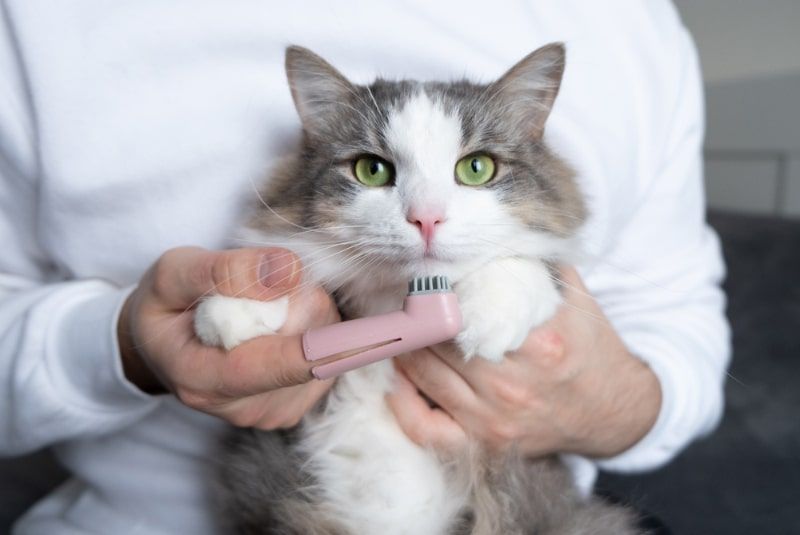
Cleaning cats' teeth is one of the most important tasks pet parents can do to keep their pets healthy, and in good shape, and there aren't many cons to discuss regarding cats and dental care. Regular cleanings are essential for keeping dental disease at bay, which can impact a cat’s quality of life dramatically. Dental disease is painful, makes it difficult for cats to eat, and leads to a range of potentially serious health consequences.
Regular brushing and professional cleanings can minimize cats' chances of developing periodontal disease, gingivitis, and tooth resorption, which will result in cats losing teeth as they age. Keep reading to learn more about the importance of cleaning cats’ teeth.

The 6 Advantages of Cleaning Your Cat's Teeth
1. Prevents Problems From Developing
Dental disease starts relatively quietly with the accumulation of plaque on cats' teeth, which can develop into tartar if not removed daily. The rough surface of tartar allows disease-causing bacteria to attach to it, causing an inflammatory response leading to gingivitis and, ultimately, periodontal disease, which can result in tooth loss and resorption.
Home dental care and professional cleanings are two of the best ways to prevent problems from getting started and gaining traction.

2. Improves Feline Breath
Cats suffering from dental problems often have bad breath or halitosis. This can be an early clue that their teeth must be cleaned more often. Their breath usually improves after professional cleaning to get rid of the accumulated plaque and tartar.
3. Reduces the Likelihood of Developing Other Health Problems
Keeping cats' teeth in top shape affects their overall health. A 2019 UK study led by the Royal Veterinary College found that cats with periodontal disease were much more likely to have other health conditions, such as heart arrhythmias, ear problems, and hairballs.

4. Lowers the Risk of Developing Serious Dental Disease
Regular attention to cats' dental health from the time they're young can go a long way toward preventing the development of problems later on. Around 50% to 90% of cats over the age of 4 have a dental problem.
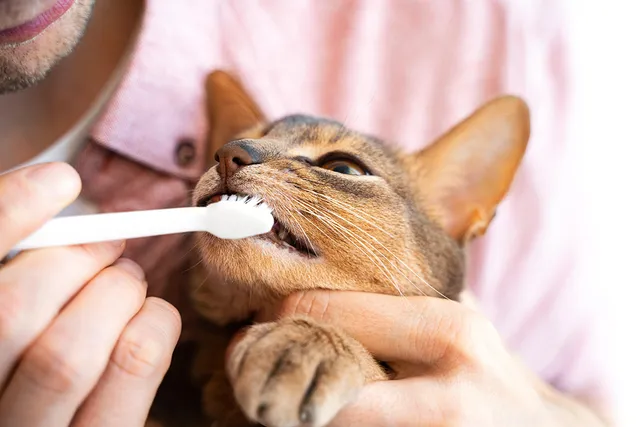
Cats benefit from daily tooth brushing, and starting the routine early, around 2–3 months of age, once their kitten teeth are in, will increase the chances that they’ll accept it as they grow. Early, gentle handling of the mouth helps build positive habits and may slow the progression of dental disease. Of course, the size and type of toothbrush should be appropriate for a cat’s small mouth and adapted as they grow older.
5. Provides a Chance to Fix Issues
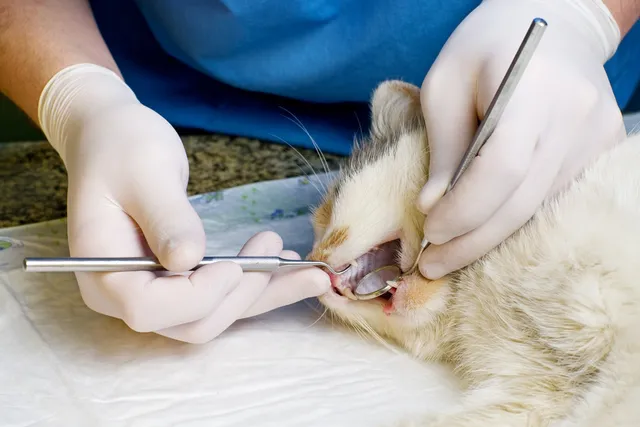
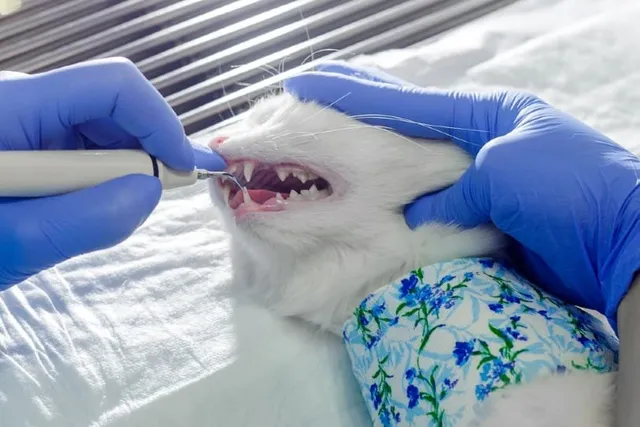
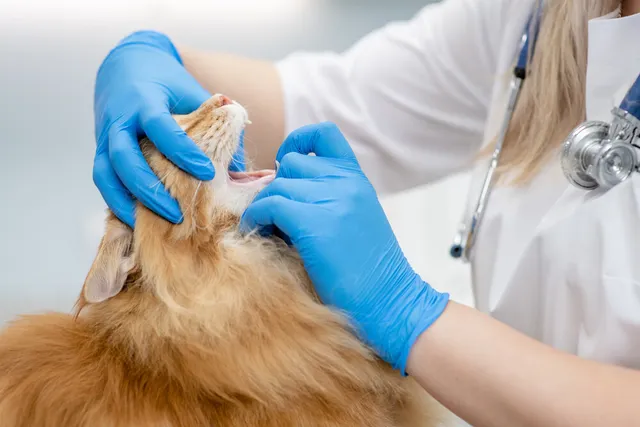
Addressing and remedying existing dental issues starts with a thorough evaluation by a veterinarian to get an idea of the overall condition of a cat's teeth. Veterinary exams, x-rays, and teeth cleanings under anesthesia allow veterinarians to diagnose and treat problems at the same time.
Keep in mind that it can sometimes be challenging to determine the full extent of what needs to be done until the cats are under anesthesia. A visual inspection cannot determine what's going on under the gumline.

What Are the Disadvantages of Having Cats’ Teeth Cleaned?
The use of anesthesia is the biggest concern regarding feline dental care. According to the American Animal Hospital Association (AAHA), anesthesia is required to ensure stress-free and pain-free cleanings. It also allows veterinarians to conduct a complete examination.
Veterinarians typically perform pre-anesthetic tests, such as blood work, electrocardiography (ECG), and, when indicated, imaging to ensure a cat is healthy enough for anesthesia and does not have underlying conditions that could increase the risks of the procedure. During the dental cleaning, vital parameters such as heart rate, blood pressure, ECG, carbon dioxide levels, oxygen saturation, and temperature are continuously monitored to help keep the cat safe throughout the procedure.

Price Guide
There can be a fair amount of variation in cost when it comes to dental cleanings, as prices depend on factors such as location and the extent of whatever work is required. Veterinarians in large cities often charge more for procedures than those working in smaller towns and rural areas, so how much pet parents spend can depend greatly on where they live.
| San Diego, CA | Chicago, IL | Greenville, SC | Atlanta, GA | New York, NY |
| $473.95 | $424.95 | $380.95 | $408.95 | $491.95 |
The previous estimates included anesthesia, monitoring, and initial blood tests for dental cleaning. Costs also vary depending on the type of work required, and they will increase if extractions are needed. Standard preventive dental care generally adds up to less than more complex procedures to deal with periodontal disease.
Many veterinarians charge separately for X-rays, which are often required to get a real idea of what needs to be done. Extractions can quickly drive up the price and come with extra costs, such as medication.
Frequently Asked Questions
How Often Do Cats Need Dental Cleanings?
Veterinarians generally recommend that cats have their teeth examined at least once a year, and a dental cleaning may be advised based on the findings. Many cats benefit from annual cleanings, but some may be able to go longer between procedures—particularly if they receive regular tooth brushing, which helps slow plaque and tartar buildup.
Are There Ways to Improve Cat Dental Health?
Daily tooth brushing to remove plaque and taking cats for veterinary checkups once or twice a year are among the most important things pet parents can do to support their companions’ dental health. Always use cat-safe toothpaste or gel, as human products contain fluoride and other ingredients that can be harmful to cats.
Aim for at least five to six sessions per week. There are also diets specifically made to support dental health, but veterinary guidance should always be sought before changing your cat’s diet.
Dental treats and products that can be added to water can also reduce tartar accumulation. Cat chews can help keep cats' teeth clean and provide entertainment at the same time, but not all cats enjoy them.
Conclusion
Caring for your cat’s teeth is an essential part of supporting their long-term health and comfort. Regular tooth brushing helps slow plaque and tartar buildup, which can reduce the risk of gingivitis and periodontal disease. Consistent home care, combined with frequent veterinary checkups, ensures that any early signs of dental problems are detected and treated promptly. With the right routine and professional oversight, you can help keep your cat’s mouth healthy throughout their life.
See also:
Sources
https://www.petmd.com/cat/conditions/urinary/kidney-disease-cats
https://www.petmd.com/cat/slideshows/grooming/top-ten-tips-on-how-to-keep-your-cats-teeth-clean
https://www.petmd.com/cat/conditions/mouth/dental-issues-cats
https://www.webmd.com/pets/features/dental-care-pets-magazine
https://www.petmd.com/cat/wellness/how-much-does-cat-teeth-cleaning-cost
Featured Image Credit: Kashaeva Irina, Shutterstock

Expert cat care, straight to your inbox
Vet-reviewed advice, behavior tips, and the best of Catster. Free, and you can unsubscribe anytime.
By signing up, you agree to our Terms & Conditions and Privacy & Cookies Policy.
Lorre Luther is a writer who is firmly convinced that cats are smarter than humans. She left her law career in the United States and moved to the Netherlands to follow her dream of becoming a writer. Lorre currently lives in Rotterdam, she enjoys traveling and greatly appreciates the beauty of nature. Lorre has a spot for animals and admires the intelligence of cats.
Join the conversation
Ask a question, share your story, or send private feedback.