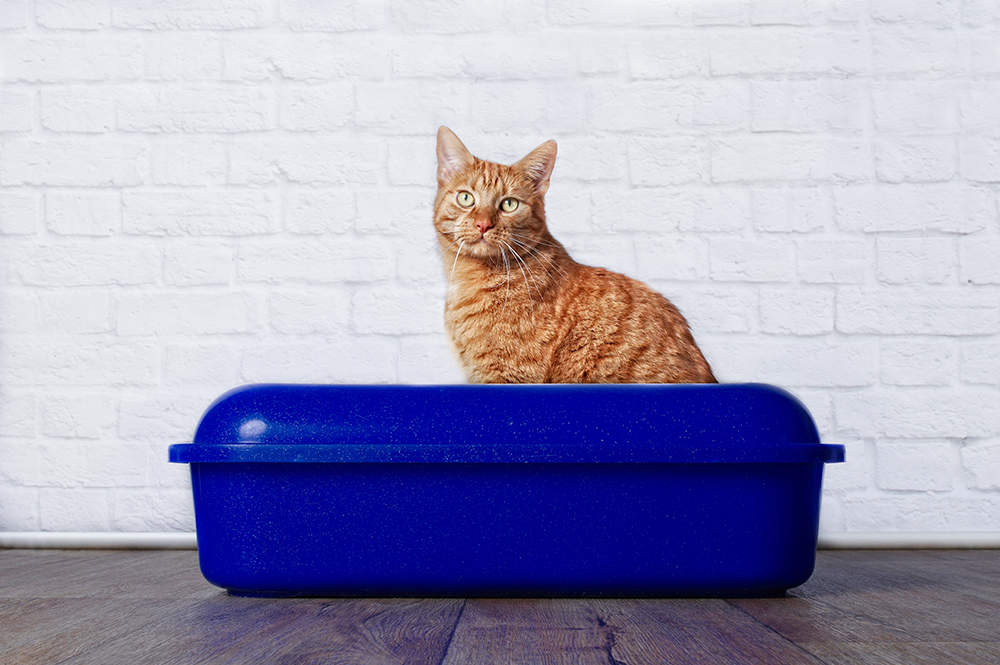
How to Reduce Anxiety in Cats: 10 Vet Verified Tips

In this article
Anxiety may not make sense to a lot of people, but it is a very real struggle for those who suffer from it. It can afflict humans and pets in varying degrees and can cause both physical and behavioral reactions. Many cats have anxiety about driving in the car, thunderstorms, unfamiliar visitors, or going for their annual veterinarian checkup.
When they don't understand what is going on and find themselves in unfamiliar environments or situations, they can become overwhelmed, and their anxiety can skyrocket. This will cause them to protest, fight, and cry when they're faced with the things that stress them out most.
It's important to find the cause of your cat's anxiety and deal with it because if left untreated, it can worsen and even develop into stress cystitis. Thankfully, there are several ways to reduce anxiety in cats, so keep reading to find out more.

What Is Anxiety?
Unlike fear, which enhances survival and gives cats the instincts to keep themselves safe from danger, anxiety is the anticipation of danger. The thing about anxiety is that it often arises when there is no real threat of danger, and yet the body reacts as though it is in danger. It is present in various species, and is often caused by a traumatic event, such as being bitten by a dog, kicked by a person, or hit by a car, or by big changes in your cat's life, such as moving homes, a new baby or puppy, or loud fireworks.
Anxiety can develop quite early on. However, depending on the cause, it can develop at any age. Stepping in to reduce stressors in your cat's life and treat the anxiety early is important, as it can worsen over time.
Signs of Anxiety in Cats
Anxiety can manifest itself differently from one cat to another. Some cats may seem fine behaviorally but won't be able to eat, while others may tremble or act aggressively. Any changes to your cat's eating patterns or behavior should be watched.
Here are a few signs of anxiety in cats:
If your cat has any of the symptoms above or is frequently ill, take them to their veterinarian to rule out any other health issues. They will be able to diagnose your cat with anxiety and help you with ways to manage and treat it.
Common Causes of Anxiety in Cats
Anxiety can be different for different cats. They can experience it differently, and different things can trigger anxiety in different cats.
Here are a few common anxiety triggers for cats:

The 10 Tips for a Life That's Free of Anxiety
1. Reduce or Remove Anxiety Triggers

For cats with severe anxiety, determining what the cause is can be challenging because they could be anxious about many things. It's important to watch your cat's behavior and how they respond to different things to determine what triggers their anxiety. If they show any signs of anxiety after a particular event or situation, you will be able to put a list together of what their stressors are. This insight is important because it will help you reduce or remove those triggers from their environment.
For example, if your cat is scared of dogs and the neighbor's dog barks at them whenever they leave the house, they might be happier being kept inside. In the same way, it might be better for your cat to keep them indoors on New Year's Eve and other occasions when fireworks are set off if they're afraid of loud noises. (In fact, this is highly recommended, regardless of noise anxiety!)
2. Desensitization
Although we just discussed removing things from your cat's environment that trigger anxiety, it may be helpful to expose your cat to those triggers—but in a controlled way. Before doing so, this should be discussed with your vet and a veterinary behaviorist. Desensitization involves repeatedly exposing your cat to the things they're scared of but at such a low level that they don't react fearfully to it.
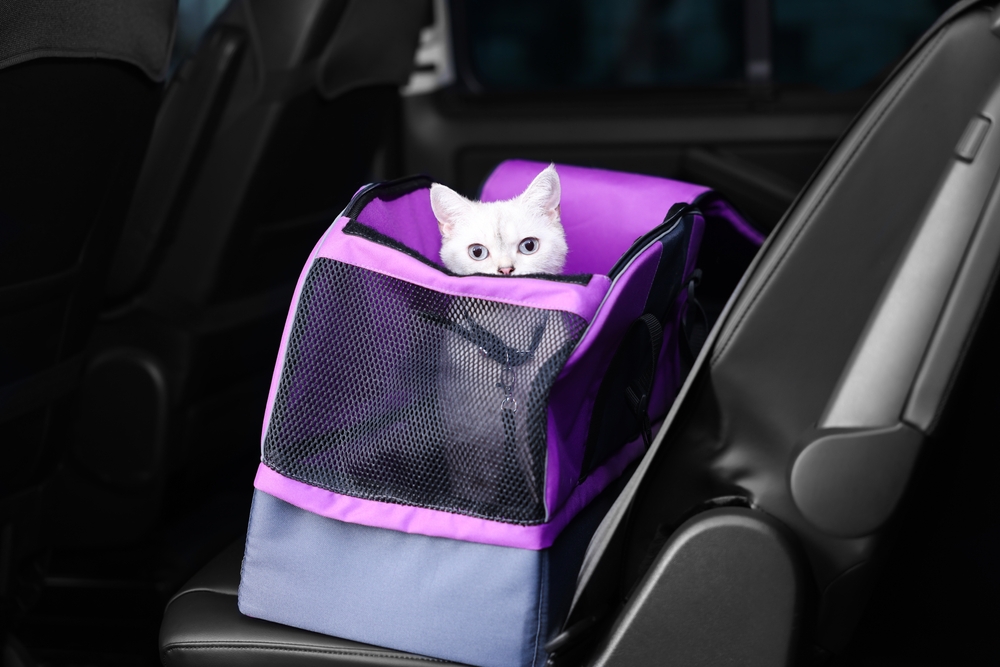
For example, if your cat is anxious when in their cat carrier, you can start off by leaving their cat carrier open in their environment. You can place treats and toys inside and make it appealing. Once they are confident enough to go inside on their own, you can shut the door briefly.
By repeatedly exposing your cat to their carrier in a gentle and controlled way, they will become desensitized to it and will eventually be able to go inside with the door closed for longer periods without feeling anxious.
This method will not work if you repeatedly expose your cat to something that triggers their anxiety, and they react fearfully to it. By exposing them to it over and over, their anxiety will worsen and not resolve.
3. Set Up a "Safe Space"
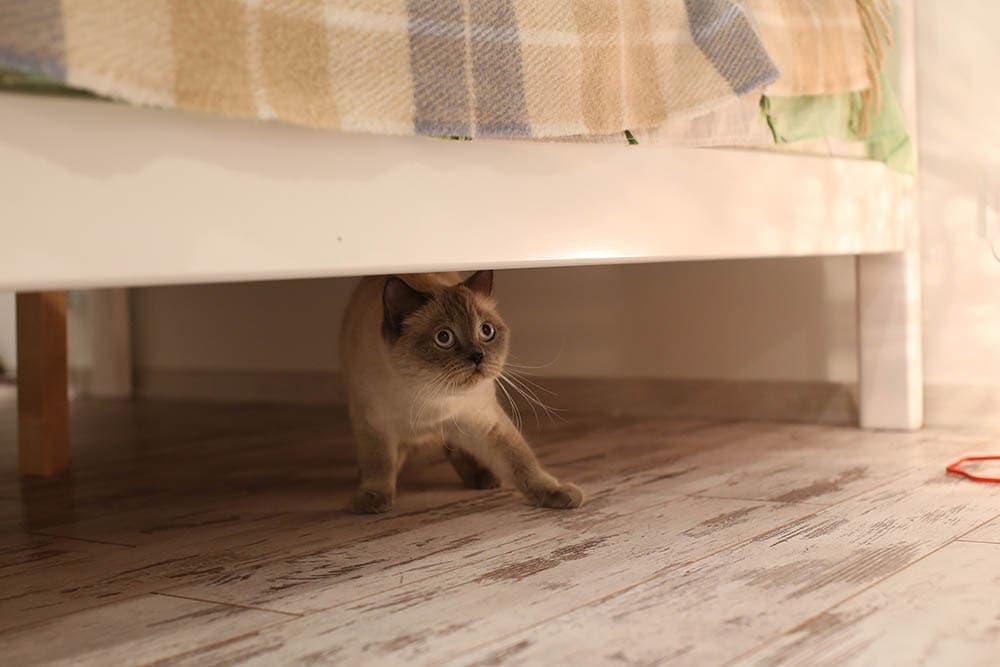
If your cat has a place of their own where they can hide out when they feel anxious, it may reduce their anxiety. Their hideout can be made of cardboard boxes, be in a large cupboard, or a quiet room. It's important that this space be away from noise and other pets. It should also have a litterbox, some food and water, and a comfortable place to sleep.
If you don't have the space to create a full hideout for your cat, getting them a cat tree with perches and an enclosure where they can "get away" when they feel anxious will help calm them down.
Those caring for anxious cats understand the struggles and discomfort that their companions feel on a daily basis. The innovative bowl shape of the Hepper Nest Bed provides nervous pets with support and its high sides offer a sense of security, diminishing stress and worry. To learn about how to the Hepper Nest can provide solace to your cat, click here.

- COMFY KITTY - Your cat or kitten will have an amazingly deep sleep in this self warming, nesting cat bed. The warm, fluffy cat bed lining provides calming stress relief for cats of all ages.
- PRETTY HOME - This round cat bed has a modern and unique design that’s perfect for a sleek indoor look. We don’t think of it as cat furniture but think of the Cat Nest as a “cat home”.
- SPACE SAVER - Reclaim your desk, window sill, or couch from kitten encroachment. This calming nest cat bed has an elevated, space-saving hideout so comfortable your kitty can't resist!
At Catster, we’ve admired Hepper for many years and decided to take a controlling ownership interest so that we could benefit from the outstanding designs of this cool cat company!
4. Don't Leave Your Cat Alone in Silence
If your cat becomes anxious when they have to be at home alone, adding some soft music or white noise can make a difference. There is music that has been created for cats with the help of scientists that is on their frequency range and may help to reduce anxiety. There are hours and hours of this type of music that you can leave playing for your cat all day long.
If you have a white noise machine, your cat might benefit from that. Sound machines drown out other noises—noises that might trigger your cat's anxiety such as barking dogs or hooting cars—and help your cat remain calm when you leave for work or other appointments.
5. Add Exercise to Their Routine
A well-exercised cat will often feel calmer and happier. You can exercise your cat physically and mentally by taking them for walks on a harness, using food puzzles, adding scratching posts to their environment, getting interactive toys for them to play with, and setting aside time each day to engage with your cat.
Adding mental and physical stimulation to your cat's day will help them focus on something other than their anxiety.
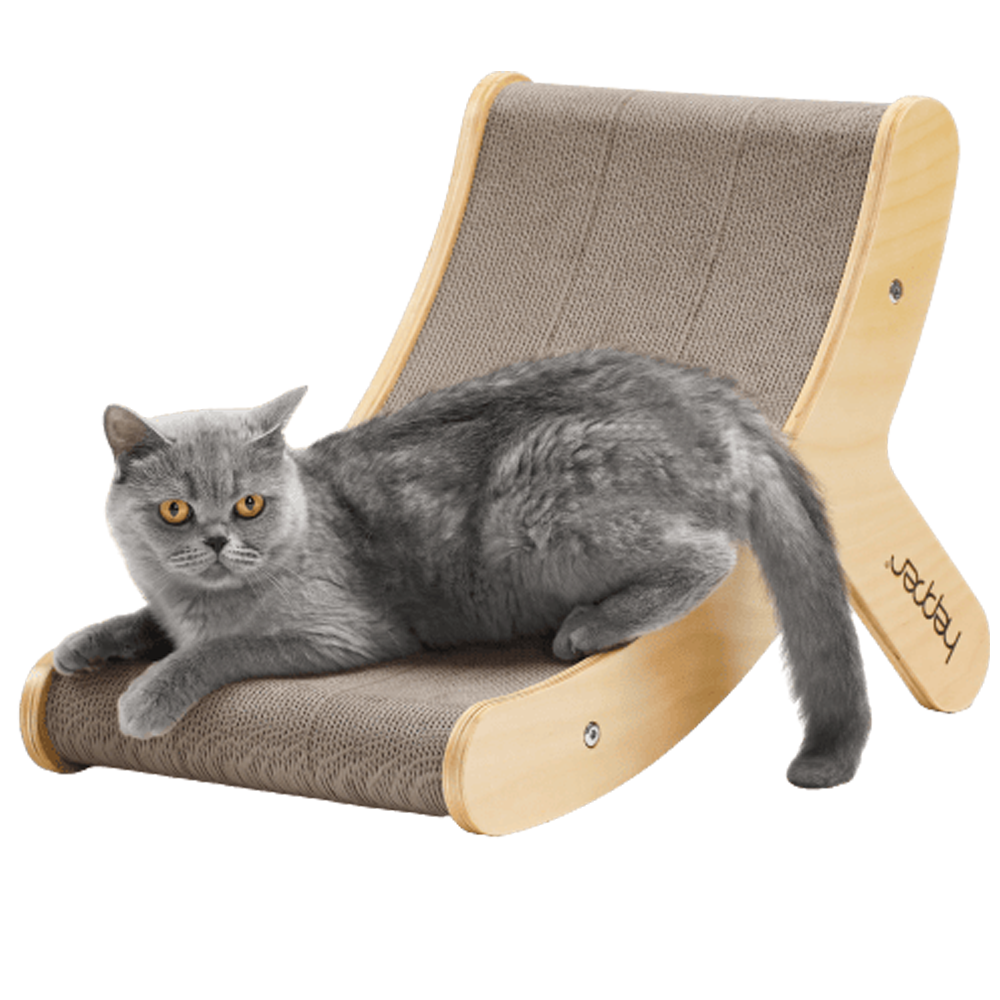
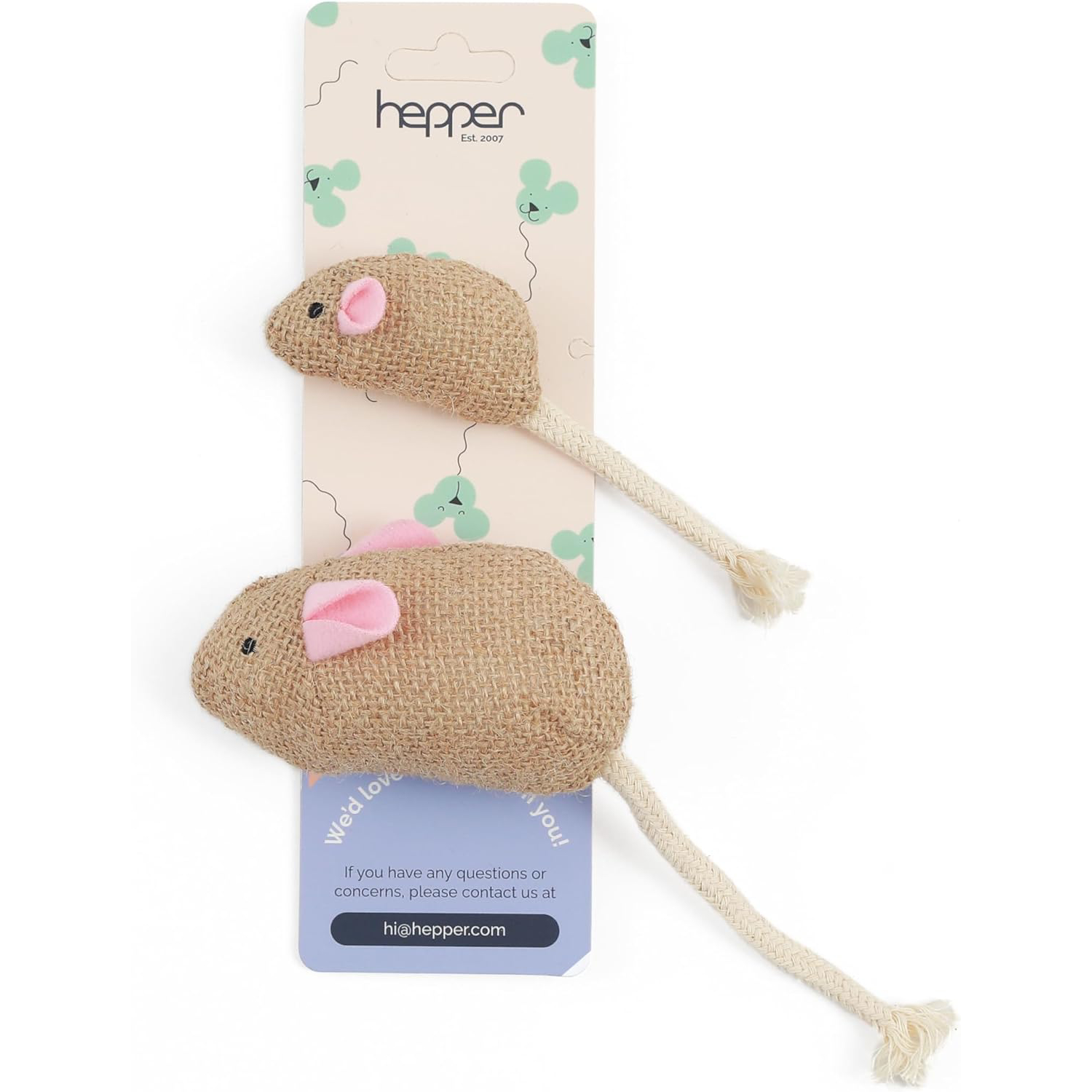
Looking for toys that will cater to the many needs of your cat? The Hepper Hi-lo Cat Scratcher is one of our favorite cat products, and it will encourage your cat to get active. Its clever three-angle design offers multiple ways for your cat to climb, stretch, and exercise. Made of a sturdy plywood base and a replacement cardboard insert, this scratcher is an option that cats can enjoy for years to come. If your cat requires a little encouragement for self-play, the Hepper Catnip Mice Toy Set is a fantastic choice for their instinctual needs. Made with natural, bite-resistant hessian fabric and filled with organic catnip. Cats can satisfy their natural prey instincts while getting the physical activity they need to thrive.
| Image | Product | Details | |
|---|---|---|---|
|
Hepper Hi-Lo Cat Scratcher |
|
Check Price |
|
Hepper Catnip Mice Toy Set |
|
Check Price |
At Catster, we've admired Hepper for many years, and decided to take a controlling ownership interest so that we could benefit from the outstanding designs of this cool cat company!
6. Give Them the Space They Need

It's normal to want to be there for your cat when they're anxious, cuddle them, and let them know that they're going to be okay. However, sometimes, this can do more harm than good, if you are reinforcing this anxiety unintentionally, or being overbearing with the attention, when they would prefer to be alone. If they want your attention, give it to them in appropriate amounts, but if they don't, give them the space they need.
7. Feed Your Cat Away from Other Pets

Some cats feel anxious around mealtimes when they have to share bowls or eat near other pets. Their anxiety may stem from when they were younger and had to fight their littermates for food because there wasn't enough for all of them.
If your cat is anxious around mealtimes or shows aggression towards other pets when they have food near them, make sure that you feed them in a separate area so that they can eat calmly and not have to be on high alert.
8. Add Litter Boxes to Your Home
If your cat is urinating and pooping outside of their litter box, it might be because they feel anxious using their litter box. Some cats don't like to pee or poop where another cat has done their business, so if you have two cats, you will need at least two litter boxes, preferably three.
Anxious cats may not like to feel confined, so make sure to place their litter boxes in places that are open and have various entry points. Placing it in a corner will keep it out of the way, but it might make your cat feel trapped and deter them from using it.
9. Use Calming Products

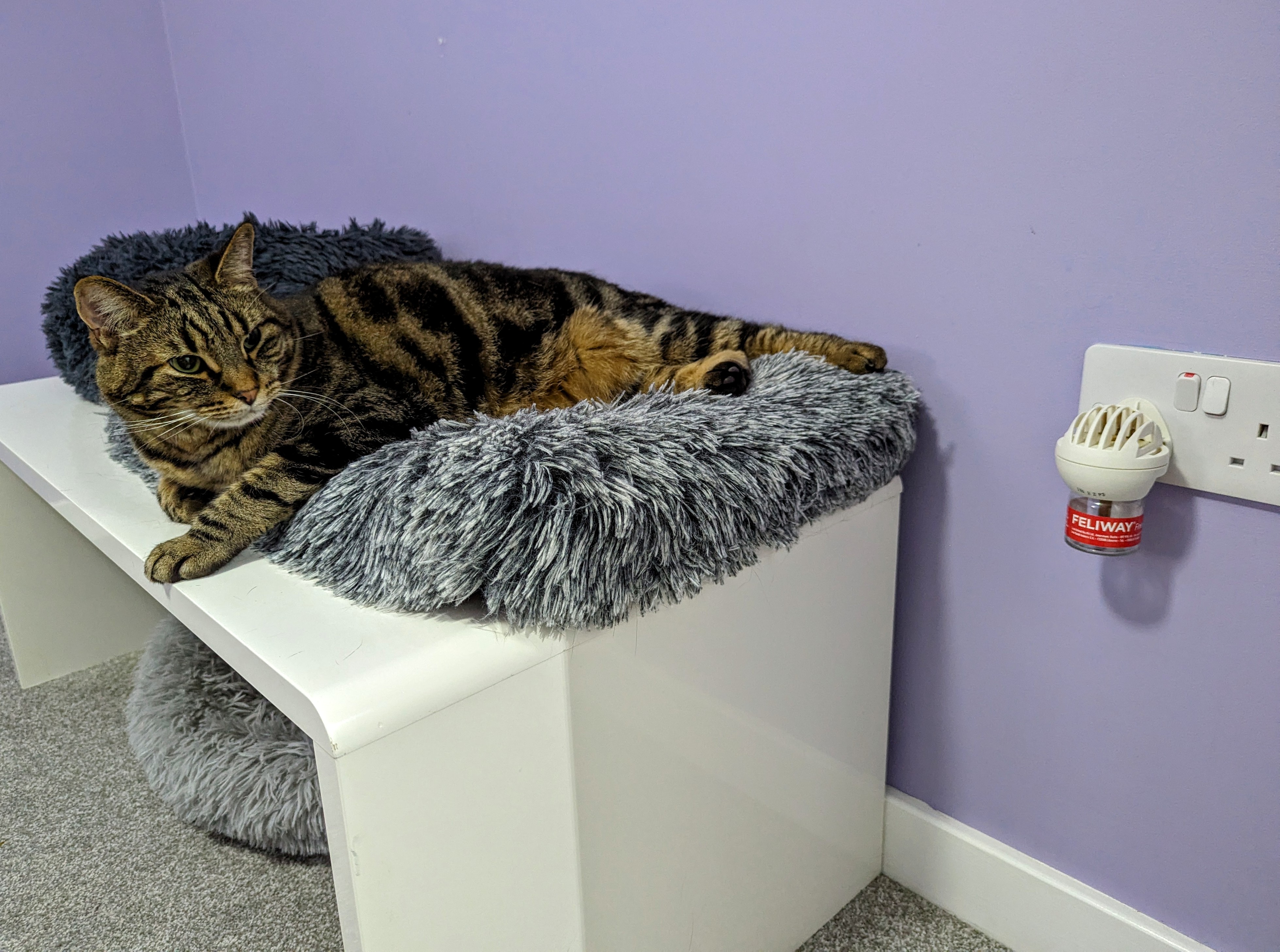
There are many calming products in pet stores and online that can help reduce anxiety in your cat. They can be a big help when visitors stay over, when you bring home a new pet, or when moving homes. Pheromone sprays, diffusers, collars, and wipes are a drug-free option that are safe to use around all your pets. They contain pheromones and can be purchased without a prescription from your veterinarian.
Cats communicate by smelling and releasing pheromones. By placing products that contain pheromones around your home, your cat will be receiving positive, happy messages which will reduce anxiety and create a feline-friendly environment for your cat.
10. Consider Anti-Anxiety Medication
If your cat has severe anxiety, nothing is helping, and it is starting to affect your cat, your other pets, and your family negatively, you should reach out to your veterinarian for help. They can discuss anti-anxiety medication options with you. Depending on your cat, they may advise you to give this medication to your cat every day to help them cope. Otherwise, they may advise you to give your cat short-term medication that will help them cope during triggering events, such as fireworks or an appointment at the groomer.
It's important to give your cat the medication exactly as it is prescribed by your veterinarian. If it doesn't work for your cat, be sure to inform your veterinarian so they can try a different option that may affect your cat better.
Conclusion
Anxiety is in part the anticipation of danger, and it can cause your cat to react physically and behaviorally. Thankfully, there are ways to help a cat live with lessened or no anxiety, and it can be done by removing things from a cat's environment that trigger anxiety, desensitizing your cat, setting up a safe space, adding exercise to their day, giving them the space they need, playing cat music when you leave the house, feeding them separately, adding more litter boxes, using calming products and giving them medication. Veterinary help is crucial to the process, so don’t forget to include your cat’s vet in the process!
Sources
https://www.petmd.com/cat/conditions/urinary/feline-idiopathic-cystitis-fic-cats
https://www.petmd.com/cat/general-health/helpful-ways-calm-your-cat
https://www.petmd.com/cat/conditions/behavioral/c_ct_fear_phobia_anxiety
https://www.humanesociety.org/resources/keeping-your-cat-stress-free
https://www.smalldoorvet.com/learning-center/medical/managing-anxiety-in-cats#what
Featured Image Credit: Maistet, Shutterstock

Expert cat care, straight to your inbox
Vet-reviewed advice, behavior tips, and the best of Catster. Free, and you can unsubscribe anytime.
By signing up, you agree to our Terms & Conditions and Privacy & Cookies Policy.
Keri-Beth is a freelance writer from South Africa who loves writing about cats. She's very passionate about pet care and has spent quite a bit of time volunteering at animal shelters. Keri-Beth currently has two dogs: Benji, the Golden Cocker Spaniel, and Gracie, the Boerboel.
Keri-Beth's favorite hobbies include photography and camping. She lives with her husband, who is a professional drummer.
Join the conversation
Ask a question, share your story, or send private feedback.