Why Is My Cat's Nose Running? Our Vet Explains 12 Possible Reasons

In this article
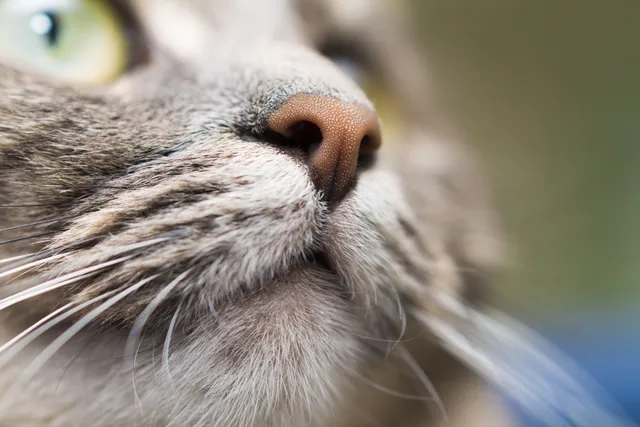
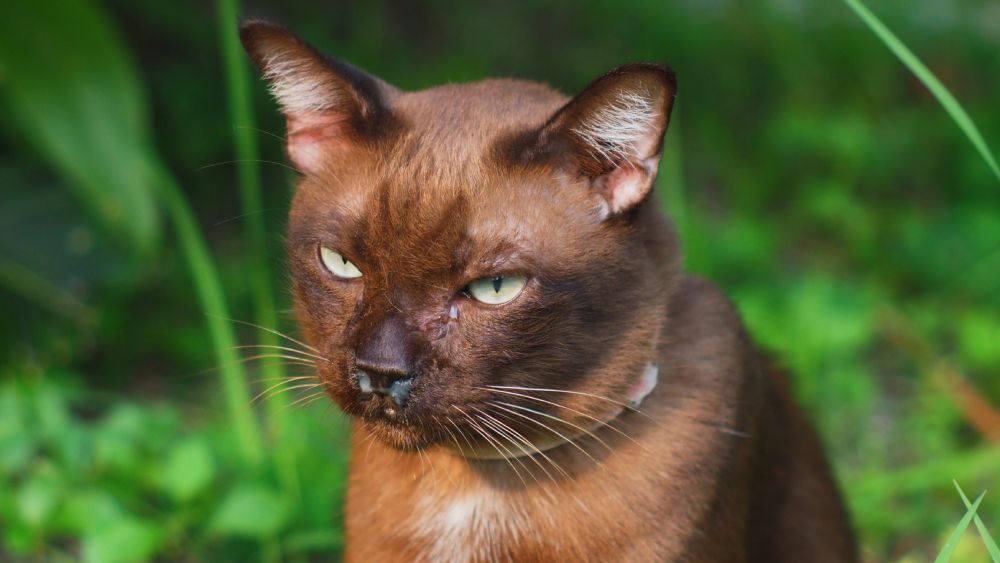
Oh, no! Your cat's nose is running. We never like to see our furry family members unwell, so let's look at some of the possible causes of a runny nose and when it's time to worry.

The 12 Causes of a Runny Nose in Cats
1. Respiratory Infections

Respiratory infections come in three major categories: bacterial, viral, or fungal. Some cats will have an infection from more than one infectious agent, such as a cat with a viral infection getting a bacterial infection because their immune system is compromised.
2. Allergies
Allergies can affect our cats in several ways. Sometimes, they make our feline friends itchy, while other cats develop respiratory signs, such as sneezing and a runny nose.
3. Airway Irritants

Like allergies, inhaled irritants can trigger sneezing, a runny nose, and even watery eyes.
Common inhaled irritants that can exacerbate your kitty's respiratory tract include:
4. Dental Disease
Severe dental disease can cause fistulas to form between the oral cavity and the nasal cavity. Tooth root abscesses can also cause issues. In addition to pain when eating, these dental problems can cause nasal discharge.
5. Polyps

Some cats develop polyps, which are benign growths. They typically occur in the nasal passages but can also extend into the back of the pharynx and even the ear canal. They can cause respiratory signs like a runny nose and recurrent respiratory infections.
6. Tumors
Some cats will develop oral or nasal tumors. These masses can cause respiratory symptoms but may also lead to epistaxis or a bloody nose. These tumors also have the potential to cause facial deformities.
7. Foreign Bodies

While foreign materials getting inhaled up your cat's nose is likely less common than in dogs, it's still possible, especially with an outdoor cat. Grass awns or foxtails are common culprits.
8. Parasites
Some parasites, such as Cuterebra, lay larvae on living animals, including in their nose.
9. Aspiration pneumonia

Has your kitty had vomiting or undergone anesthesia recently? If they're having nasal discharge, they could have aspirated material into their lungs and now have pneumonia.
10. Hypertension
High blood pressure, or hypertension, can lead to a bloody nose. It can also cause other complications, such as blindness.
11. Trauma
Injuries to the face can lead to nasal drainage, particularly a bloody nose. These injuries can also traumatize other parts of the body, from corneal scratches to broken bones.
12. Clotting Disorders and Immune-Mediated Diseases

Some autoimmune conditions, such as immune-mediated thrombocytopenia (platelet destruction), can lead to bleeding. Rodenticide ingestion can also lead to clotting problems. Any of these conditions could contribute to epistaxis.
Other Signs Associated With a Runny Nose in Cats

A runny nose is not a normal finding in most cats, and you'll want to have your cat checked out, especially if they have other signs of illness. Many cats may have a little clear nasal and ocular discharge that goes away after exposure to allergens.
Signs that you should be concerned about include:
Diagnosing the Cause of a Runny Nose in Your Cat
When you take your cat to the vet for an exam, your veterinarian will examine it, auscultating its chest and looking at its mouth. You might even see your vet shine a light up your cat's nose. They'll palpate around your cat's sinuses to look for changes in facial structure and to see if anything is painful.
Your veterinarian may make a presumptive diagnosis based on your cat's exam and history, but they will likely suggest diagnostic testing to assess your cat further.
Blood work
A complete blood cell count and serum chemistry help show metabolic changes and changes in red and white blood cells and platelets.
Radiographs (X-rays)

Your veterinarian may recommend chest X-rays to look for heart or lung changes. Facial images can help find evidence of fractures and even infection. If your veterinarian studies dental disease, dental X-rays under anesthesia are helpful to look for tooth root abscesses and other problems.
Advanced Imaging
Your veterinarian might refer you to a specialist for a CT or MRI to evaluate your cat's head. Your cat might even need a rhinoscopy, which involves evaluating its nasal passages using a flexible scope with a camera.
Cultures or PCR
Your veterinarian might collect swabbed samples from your cat's nose, eyes, or back of the throat and submit them to check for bacterial or viral organisms.
Treating Your Cat's Runny Nose
You should have your vet evaluate your cat if they develop a runny nose that doesn't go away after a couple of days or if they have other signs of illness. In the interim, you can try some conservative measures to keep your cat comfortable:
- Wipe their face with a clean, damp cloth.
- Do your best to eliminate allergens like room air fresheners.
- Use a humidifier or steam up a bathroom and have your cat sit quietly in the room for 10 minutes a couple of times a day.

- Gentle Care For All Pets - Infused with moisturizing hypoallergenic ingredients & enriched with cucumber & aloe fragrance for healthier fur, coat & skin, the ultimate dog and cat cleaning wipes
- Deep Cleans From Head to Tail - Tackle the toughest dirt & messes with our extra strong pet wipes for dogs, cats and other pets while being gentle on sensitive areas like the face, ears, butt & paws
- Freshness On The Go - Each dog grooming wipes pack contains 30 counts of premium dog wipes that leaves your pets fresh. Packed in resealable packaging, keeping the cat wipes fresh & ready whenever
Cleaning your cat's sensitive areas can be tricky, but high-quality wet wipes can make it much easier. Try a natural, hypoallergenic option like Hepper's Wash Wipes, made with moisturizing ingredients and specifically designed to gently clean your cat's skin and fur. These wipes are as convenient as they are effective!
At Catster, we’ve admired Hepper for many years and decided to take a controlling ownership interest so that we could benefit from the outstanding designs of this cool cat company!
You can consider some over-the-counter therapies, such as probiotics. Your cat's gut is a significant part of their immune system. Lysine is sometimes recommended for viral infections in cats, although it may not be as effective as initially believed.

Your veterinarian's treatment recommendations will depend on their exam and diagnostic findings.
Some possibilities include:
Frequently Asked Questions
How long does a cat's runny nose last?
A runny nose in your cat can last for a variable period. If your cat has a viral respiratory infection, such as feline herpesvirus, the signs are usually self-limiting and will go away on their own in roughly 7 to 10 days.
How do I get my cat to eat with a runny nose?
Cats may not want to eat if they can't smell. Talk to your veterinarian about what options might help stimulate your cat to eat. Often, you can use pungent cat food. You could also try warming up chicken baby food. Sometimes, your vet will prescribe an appetite stimulant like Elura.

Conclusion
Dealing with a runny nose in your cat can be stressful because you want your cat to feel better. Your veterinarian will help you get to the root cause, but it may take time and supportive therapy.
Sources
Featured Image Credit: RJ22, Shutterstock
Expert cat care, straight to your inbox
Vet-reviewed advice, behavior tips, and the best of Catster. Free, and you can unsubscribe anytime.
By signing up, you agree to our Terms & Conditions and Privacy & Cookies Policy.
Dr. Samantha Devine DVM (Veterinarian)
Samantha Devine is a practicing veterinarian who loves to share her experience with animal species and their health. Whether it's a guinea pig question or a pressing matter about something your cat ingested, she strives to provide clear answers. She is passionate about preventative care and firmly believes in the old adage, "An ounce of prevention is worth a pound of cure."
Dr. Devine has been practicing veterinary medicine for over 12 years and has spent a great deal of that time writing online to educate pet owners. In addition to general practice small animal medicine, she has worked with horses. zoo animals and aquatic species. She enjoys all aspects of preventative medicine, from nutrition to vaccines.
Dr. Devine received her degree from the Virginia Maryland Regional College of Veterinary Medicine.
Join the conversation
Ask a question, share your story, or send private feedback.