Turkish Van Cat Breed Info: Pictures, Temperament & Traits
In this article
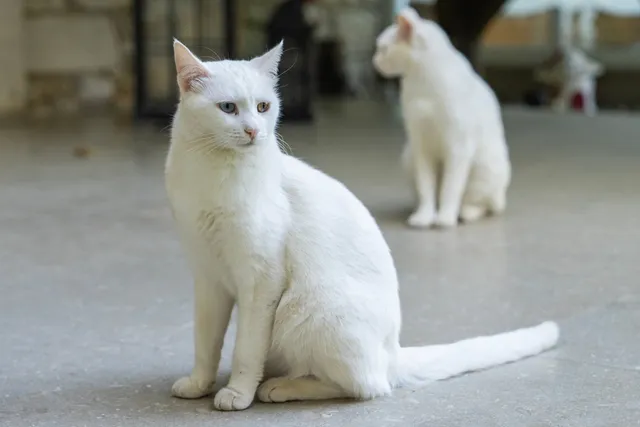
The Turkish Van is an ancient breed with mythological origins. They’re athletic, highly energetic felines with a strong draw to mischief. This is a breed that’s always on the go, wanting to spend their time playing, climbing, and exploring. You’ll frequently find the feline perched at the highest point inside the home. Make sure you don’t leave any valuable heirlooms up there—your Turkish Van might knock them down. It could be on purpose, or it could just be due to their clumsy nature.
Breed Overview
Height:
Weight:
Lifespan:
Colors:
Suitable for:
Temperament:
Families with a Turkish Van often say that their cat always believes itself to be in charge. You can see this in their dignified manner. They’re not animals that like to be carried or snuggled. However, they bond closely with their family members and are likely to follow you around the house. Even for homes with children or other pets, a Turkish Van can be a great fit. That is, of course, if you can find one!
Turkish Van Characteristics

Turkish Van Kittens
Whenever you're considering purchasing a kitten of any breed, you must ensure that you're purchasing from a reputable breeder. While it is possible to adopt a Turkish Van from a rescue or shelter, it is more challenging, as you might not be able to get a purebred cat. When going through a breeder, they will be able to provide you with health screenings to ensure your cat is in the best condition possible. They often include spaying/neutering costs in their fees as well. However, not every breeder is reputable, so ensure you ask lots of questions, visit the facilities, and have proof of health screenings before bringing a kitten home.
3 Little-Known Facts About the Turkish Van
1. They’re Known as the Swimming Cats
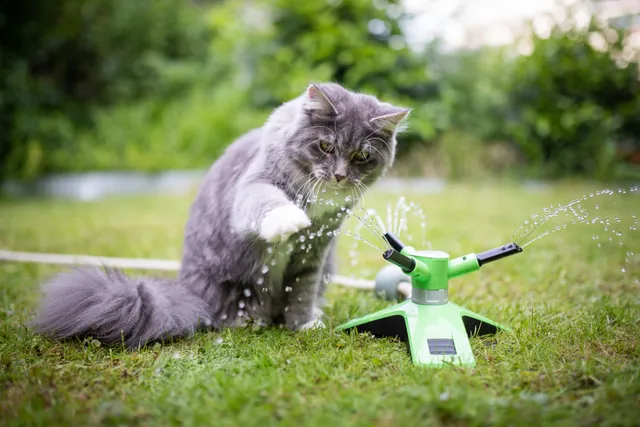
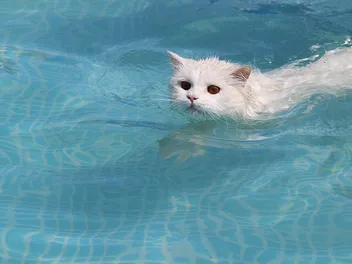
It’s well-known that most cats have a strong aversion to water. But if you’ve heard the Turkish Van’s nickname as the swimming cat, you’d know that they’re the exception to the rule. These cats are attracted to water. You’ll often find that your Turkish Van becomes quite interested when you turn on the water for the sink or shower. They love to paw the water and splash around, and they’ll do so just about every chance they get.
2. They’re Ensconced in Religion and Tradition
Many animals play roles in ancient legends, but the Turkish Van’s story is deeply mired in religion and mysticism. Even the breed’s attraction to water is explained by a biblical tale. As the story goes, there were two Turkish Vans on Noah’s Ark. They swam to shore and landed in Turkey at Mount Ararat. This location is close to Lake Van, which is where the breed gets its name.
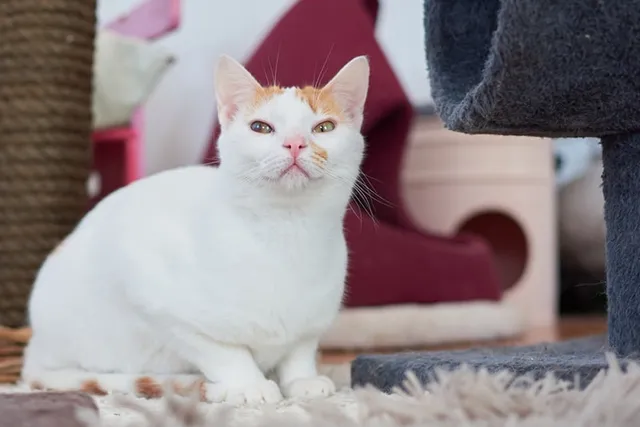
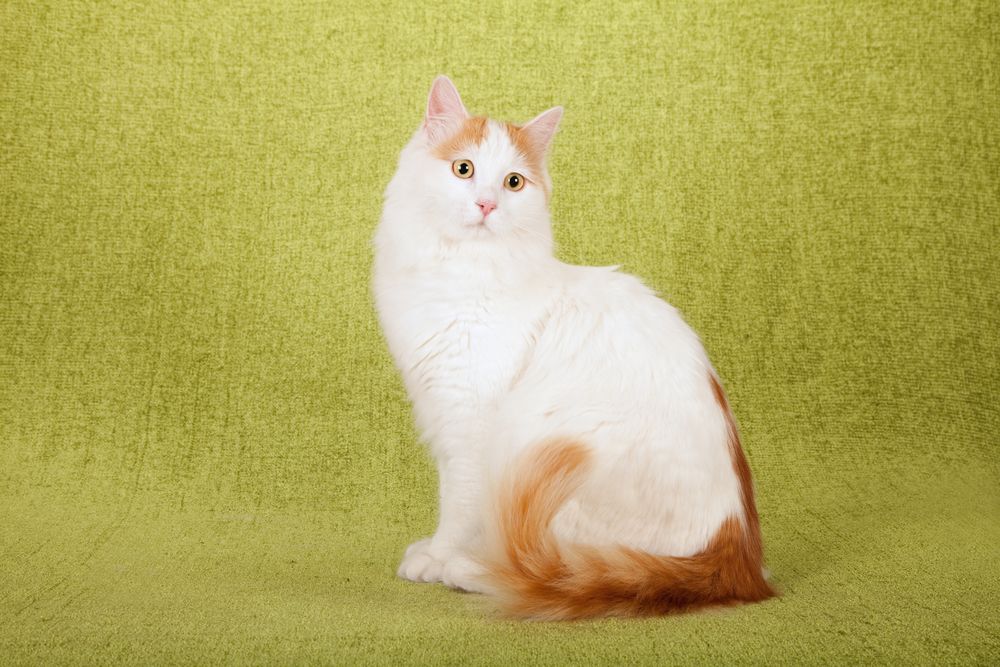
But that’s not the only religious story involving this breed. There are stories in both the Jewish and Islamic traditions to explain the cat’s color spots. While Turkish Vans are mostly white, they have reddish-orange tails and another large spot on their back and head.
The spot that’s commonly seen on a Turkish Van’s back is called the thumbprint of Allah because, in the Islamic story, Allah left the mark after touching the cat’s back. In the Jewish version, the cat had a door slammed on its tail in the ark, which caused it to turn red. Then, God touched the Van on its head, leaving behind a mark from the contact.
3. It Took Until 1982 for One to Reach America
Obviously, with tales of the Turkish Van reaching all the way back to the biblical story of Noah’s Ark, this breed has been around for a long time. Few breeds have earned their status as an ancient breed more than the Turkish Van. But despite their long history, they weren’t recognized by the Cat Fanciers’ Association until 1994! This is because the first time a Turkish Van landed on American shores was in 1982.
The breed received some official recognition prior to this in the UK, however. They first arrived in the UK in 1955, nearly 30 years before one would make it to the USA. In 1969, the Governing Council of the Cat Fancy, a UK-based cat association, officially recognized the breed.

Temperament & Intelligence of the Turkish Van 🧠
Turkish Vans have seemingly endless amounts of energy. They love to play, climb, jump, run, and just generally have fun. Like dogs, these cats love a good game of fetch. Unlike most other pets, they also love to play in the water and will do so for extended periods.
These cats bond with every member of the family, and they’re very forward about their feelings in all situations. But they’re not the type of cat that wants to spend the evening cuddled up on your lap. They’d rather find a high perch to climb to or a toy to play with. If you’re going to keep a Turkish Van, you’ll need to make sure you offer plenty of entertainment, lest your valuables become your cat’s entertainment as they chuck them from the highest shelves in your home!

Are These Cats Good for Families? 👪
Because they’re not particularly selective about their roommates, Turkish Vans are great cats for families, as long as no one is overly touchy and affectionate with the cat. But having several people around will prove to be beneficial, as these cats want to play a lot and will require more attention than many other breeds.
While not all cats get along well with kids, Turkish Vans seem to. You’ll need to make sure your child understands how to interact with a cat, though. Your Van won’t be pleased to have their hair or tail pulled and might react in a way that your kid won’t enjoy!
Does This Breed Get Along With Other Pets? 🐶🐱
Turkish Vans always believe that they’re in charge of the household. As long as everyone respects the cat’s feelings of superiority and leadership, everything will be fine. This includes other pets. Your Turkish Van will get along with pretty much anyone, dogs and other cats included, provided they all act like the Turkish Van is the supreme overload of everyone in the home.
Things to Know When Owning a Turkish Van
Food & Diet Requirements 🐡
These cats do well on a diet consisting of high-quality commercial food, both dry and wet varieties. They don’t have any special dietary needs that you need to account for. That said, this is a breed that is quite prone to obesity. You’ll want to take care not to overfeed your Turkish Van to prevent unnecessary weight gain.
Exercise 🐈
Because Turkish Vans are such active felines, you’ll rarely have to worry about exercise. They’re constantly running and playing, which burns off a lot of that energy and helps to keep your cat healthy. You won’t need to provide structured exercise for your Turkish Van, but you should have regular play sessions that get the cat going. You can go for old favorites like a mouse toy that the cat can wrestle with or a laser pointer on the wall for it to chase.
Training 🧶
Considered to be highly intelligent cats, Turkish Vans are rather open to training. They learn the basics very quickly, such as using the litter box. But they can also learn additional training and tricks. Many of them will learn to fetch with minimal effort and enjoy playing it regularly. If you have sufficient patience, you can train a Turkish Van to do just about anything a cat is capable of.
Grooming ✂️
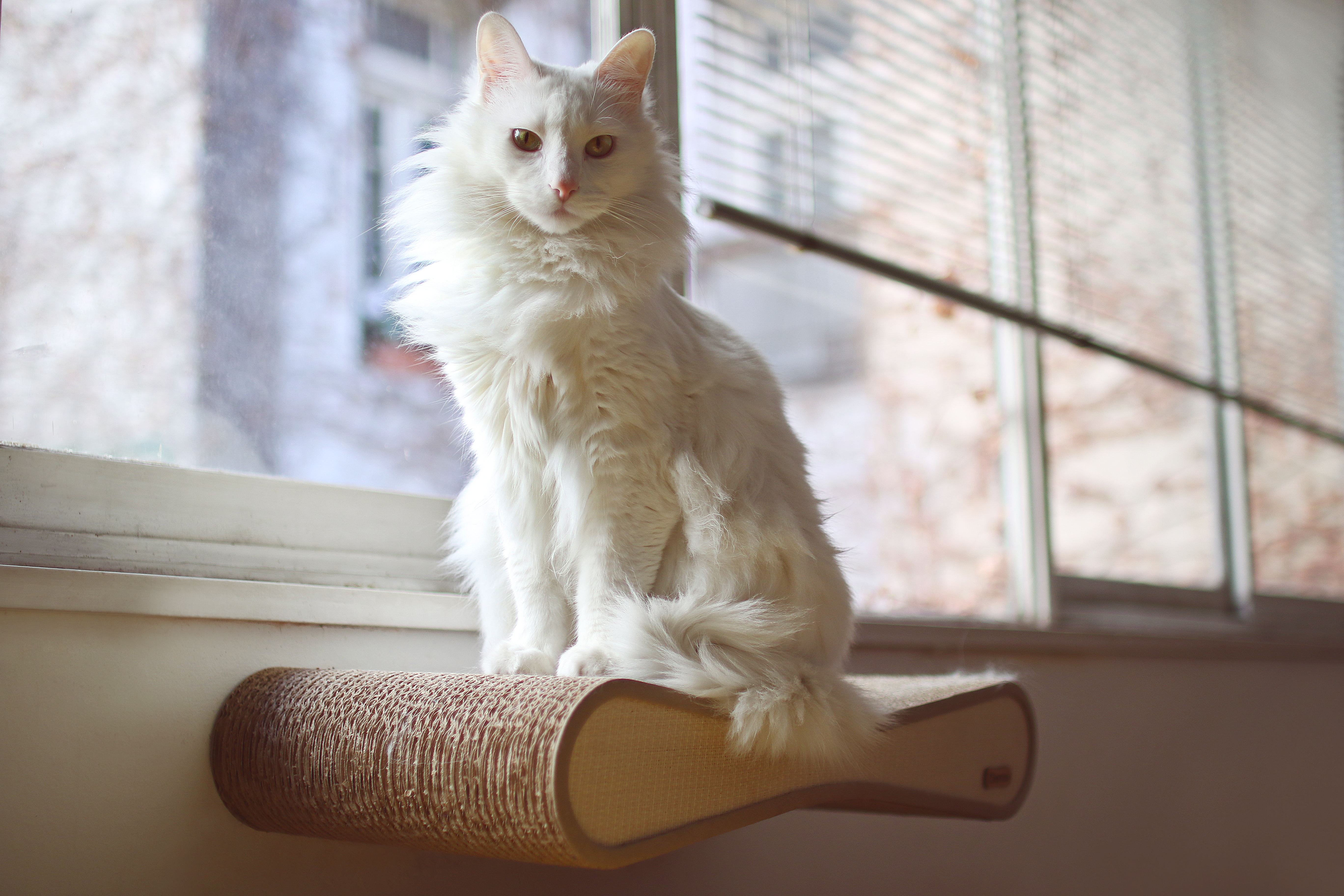
With such a luxurious coat and appearance, you might expect the Turkish Van to require excessive amounts of maintenance and grooming. Luckily, you’d be wrong. These cats have a single coat, making them easy to brush and care for. All you have to do is comb or brush it out once or twice each week and your cat’s coat will stay in top shape.
You won’t need to bathe your Turkish Van regularly. They’re not very smelly animals, and they groom constantly. But if you plan to bathe your Turkish Van, start early, so they become accustomed to it from a young age.
Aside from coat care, all these cats need are the basics. Keep their nails trimmed and teeth clean and your Turkish Van should stay healthy for many years.
Health and Conditions 🏥
When you purchase a cat like a Turkish Van, you must get a guarantee from the breeder regarding the cat’s health. While these cats are known to be mostly healthy, there are some health conditions that can occur. It’s wise to know the signs of any possible health problems so you can spot issues when they first pop up and take swift action.
Minor Conditions:
- Obesity: Obesity can occur in any cat, but Turkish Vans are more susceptible than some breeds. Thankfully, this is a disease that can be easily avoided by taking a little extra care to measure out your cat’s food and ensure you’re not overfeeding it.
Serious Conditions:
- Hypertrophic Cardiomyopathy: This condition causes the walls of the heart to become thicker. Effects range from no signs to congestive heart failure, making this a serious issue that should be dealt with immediately if you see any signs or symptoms, such as heart murmurs or arrhythmias.
Male vs. Female
Regarding personalities, male and female Turkish Vans are quite similar. However, physically, males are much larger. They can weigh up to 18 pounds, while females top out at about 12 pounds. Similarly, males tend to be a few inches longer.
Final Thoughts
If you’re looking for a cuddly lap cat to curl up on you and snuggle during your favorite movie, the Turkish Van isn’t going to be a good fit. On the other hand, if you want a cat that’s fun to play with and offers hilarious antics for your enjoyment at the cost of a bit of mischief, the Turkish Van is perfect for you. They can even do well with children and other pets, as long as everyone understands that the Van is the ruler of the household.
See also:
Featured Image Credit: Linn Currie, Shutterstock
Expert cat care, straight to your inbox
News, insights, and useful advice, delivered to you.

No spam — unsubscribe anytime.
By signing up, you agree to our Terms & Conditions and Privacy & Cookies Policy.
How useful was this post?
Click a star to rate. You can leave written feedback afterwards. (We read all feedback.)

Christian started writing for a local newspaper as a teenager, and he's been involved in the publishing industry for most of his adult life. Combining his love of writing with a passion for animals, he is currently the Director of Editorial at Pangolia and the Editor-in-Chief at Catster.
Christian lives in the Philippines with his wife, son, and four rescue cats: Trixie, Chloe, Sparky, and Chopper.