Cat Urinary System: Vet-Verified Health Guide (With Diagram)


In this article
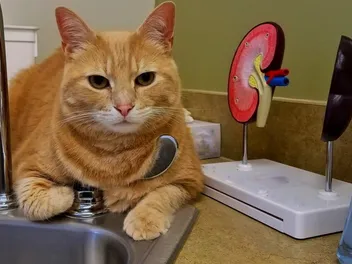
Cats' urinary systems remove waste products, ensure proper electrolyte balance, and help with vitamin D processing. The urinary system has several organs, including the kidneys, bladder, urethra, and ureters, which run from the bladder to the kidneys.
The urethra is the tube through which urine leaves the body. Kidneys help remove waste from cats' bodies and contribute to the maintenance of electrolyte and mineral balance. They also make the hormones and enzymes required to maintain blood pressure and produce red blood cells. The bladder holds urine until it's released through the urethra.

Feline Kidney and Bladder Anatomy
The kidneys are composed of the medulla, renal pelvis, and nephrons. A cat’s bladder anatomy is relatively simple; each has an apex, body, neck, and a series of muscles that allow cats to hold and release urine.


Common Urinary System Health Issues
Cats can suffer from infections almost anywhere in their urinary systems. They can also develop urethral blockages, which are emergency situations that can make it impossible for them to urinate.
Disorders such as amyloidosis and polycystic kidney disease can create severe kidney problems, and cats can be born with bladder, kidney, and urethral deformities. They can also develop conditions such as chronic kidney disease, as well as cancerous and benign tumors.

Ways to Support Feline Urinary System Health
Pet parents can take several steps to support their companions' urinary system health, including ensuring they drink enough water, exercise, stay at appropriate weights, and have squeaky-clean litter boxes.
Hydration
Cats often drink less water than they should for their modern diet, which is hazardous to their health, and ensuring they stay properly hydrated is incredibly important for maintaining healthy urinary systems. Cat fountains can encourage drinking, and wet food is an easy (and tasty) way to boost their hydration.
Weight Management
Obese cats may be at increased risk of developing certain urinary system conditions. Ensuring they stay at appropriate weights is one of the most important things pet parents can do to support their companions’ health.
Ensuring your cat doesn’t gain too much weight is far easier than getting them to drop a few pounds. Most cat food comes with handy feeding information on the package that you can use to determine how much their cats should consume. However, you can also consult a veterinarian for feeding tips and brand recommendations.
Stress Management
Stress can play a role in the development of urinary problems, and ensuring your cat has a comfortable environment where their needs are met and doing everything possible to minimize stressful events are vital to supporting their mental health.
Cats thrive when they have activities and toys to keep them engaged and entertained. You can buy several toys, including interactive products and food puzzles, that provide mental stimulation and physical activity. Interactive toys can keep your cat happy when you’re away, and plush toys or teasers are ideal when you can engage with them.
They also benefit from having scratchers to keep their claws healthy and high perches to survey their territory. Sticking with routines and providing enough time to adjust to new foods, schedules, and pets makes it easier for them to acclimate to changes.
Litter Box Management
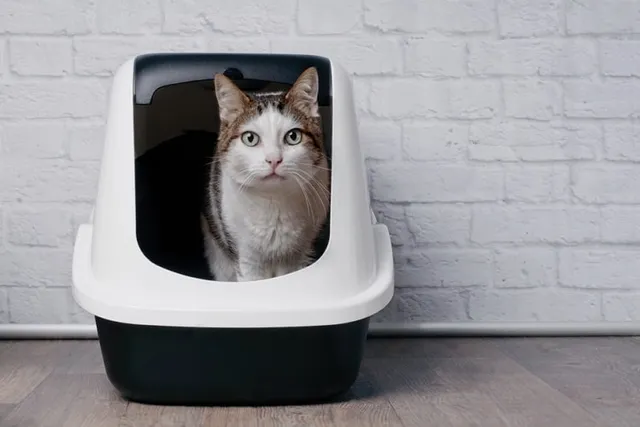
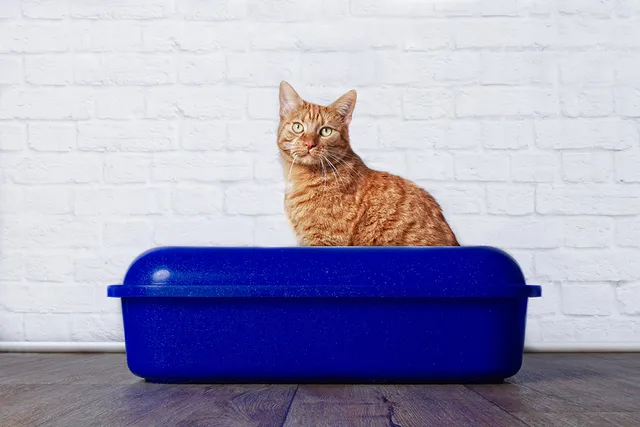
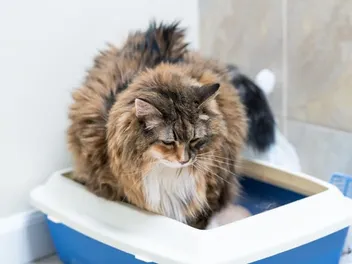
Cats prefer to have clean litter boxes, and daily scooping is essential for their happiness and health. Setting up litter boxes in places where they can't relax, such as busy hallways or locations where other pets can interrupt them, can make going to the bathroom a less-than-pleasant experience.
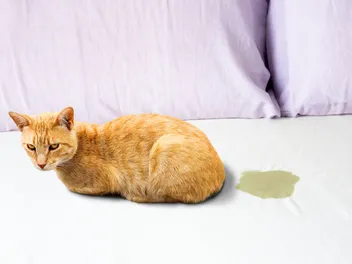
When your cat is unhappy with the condition or location of their litter box, they may avoid going to the bathroom as often as they should, which is harmful to their urinary system.
Did you know there's an enzyme cleaner that does it all? The Hepper Advanced Bio-Enzyme Pet Stain & Odor Eliminator Spray permanently removes the very worst smells and stains (truly, everything you can imagine!), and they offer a 100% satisfaction guarantee! Click here to get yourself a bottle.

- ADVANCED ENZYMATIC CLEANER - Penetrates the most stubborn smells and stains at the deepest molecular levels to dissolve any pet mess you encounter and lift it away at the source.
- FOR ANY MESS, ON ANY SURFACE - This pet odor eliminator cleans your carpets, floors, furniture, fabrics, and more. Whether it's urine, feces, vomit, or drool, you can erase all foul spots and smells!
- FRESH, NATURAL ODOR - Our unique formulation doesn't rely on dangerous or unpleasant chemical fragrances to get the job done. We eradicate smells and stains, not just cover them up.
At Catster, we’ve admired Hepper for many years, and decided to take a controlling ownership interest so that we could benefit from the outstanding products of this cool cat company!
Frequently Asked Questions (FAQ)
How Do Cats Pee?
Ureters bring urine from the kidneys to the bladder, which stays relaxed until it's full. When it's time for a cat to urinate, their bladder wall contracts and their urethral sphincter muscle relaxes to allow urine to leave the body.
Is Spraying the Same as Peeing?
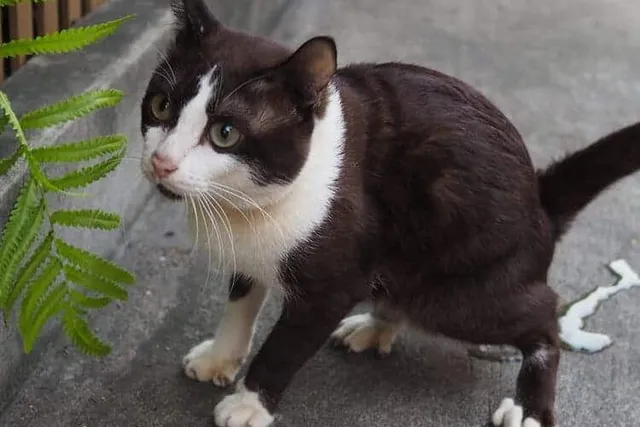
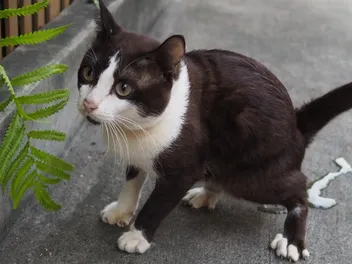
Cats spray to mark their territories, not to relieve themselves. They do so standing up, while most pee squatting.

Conclusion
A cat's urinary system consists of two kidneys and ureters, a bladder, and a urethra. The kidneys filter waste from the body and are essential for maintaining proper electrolyte balance.
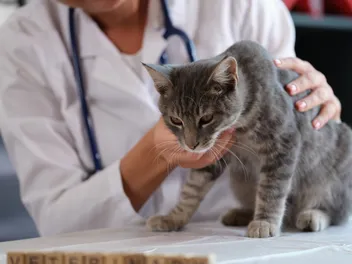
Hormones and enzymes made by the kidneys also play critical roles in red blood cell development and blood pressure regulation. If your cat’s litter box habits change suddenly or you notice other troubling signs, contact a veterinarian to ensure they’re not suffering from an illness or behavioral condition.
Sources
https://www.petmd.com/cat/conditions/urinary/feline_idiopathic_lower_urinary_tract_disease
https://www.petmd.com/cat/conditions/urinary/urinary-tract-blockage-cats
https://www.petmd.com/cat/conditions/urinary/utis-cats-urinary-tract-infections-cats
https://veterinarypartner.vin.com/default.aspx?pid=19239&id=4951471
https://www.petmd.com/cat/conditions/urinary/c_ct_incontinence_urinary
Featured Image Credit: Natasha Zakharova, Shutterstock
Expert cat care, straight to your inbox
News, insights, and useful advice, delivered to you.

No spam — unsubscribe anytime.
By signing up, you agree to our Terms & Conditions and Privacy & Cookies Policy.
How useful was this post?
Click a star to rate. You can leave written feedback afterwards. (We read all feedback.)
Lorre Luther is a writer who is firmly convinced that cats are smarter than humans. She left her law career in the United States and moved to the Netherlands to follow her dream of becoming a writer. Lorre currently lives in Rotterdam, she enjoys traveling and greatly appreciates the beauty of nature. Lorre has a spot for animals and admires the intelligence of cats.